




For many brands, the 2025 holiday season delivered mixed emotions.
This holiday season, sales were strong, demand showed up when it mattered, and the top-line numbers looked encouraging. At the same time, many brands reported that the season felt more chaotic than expected because demand spiked, decisions were made under pressure, and more effort went into simply keeping things on track than anyone anticipated going into Q4.
That tension is worth paying attention to. When your peak season requires constant intervention to maintain performance, it usually points to deeper operational questions about whether your fulfillment operation is built to scale with demand.
Q1 gives you a moment to step back and evaluate your ecommerce fulfillment operation with clarity and decide what must change before next year. Here’s what the 2025 holiday season revealed for growing brands when they took a closer look.
Table of Contents
- Sales growth masked operational strain.
- Where peak season challenges usually begin.
- What did your peak performance look like?
- Why consistency supports scalable growth.
- Value-added services reveal operational maturity.
- Here’s what you should review within your own operations.
- Using 2025 insights to plan for 2026.
Sales growth masked operational strain.
Holiday demand itself was not the problem in 2025. In many cases, demand arrived quickly and unevenly, shaped by mobile shopping, promotion-driven surges, and shortened buying windows.
Mobile continued to account for more than half of online transactions, which raised expectations for fast confirmations, accurate delivery promises, and clear communication. At the same time, peak order volume surged well beyond normal daily levels, with many brands experiencing sustained periods of extreme throughput rather than a single predictable spike.
As demand climbed, fulfillment shifted from a background function into a central driver of customer experience and cost control. When operations struggled to keep pace, the impact showed up quickly as:
- Late deliveries increased support volume.
- Inventory gaps led to backorders and cancellations.
- Labor costs climbed as teams relied on overtime to maintain output.
- Margin erosion and customer frustration often followed close behind.
These issues rarely appear in sales summaries, but they become obvious once the season is over and you evaluate your ecommerce fulfillment operation KPIs, workflows, and true costs.
Where peak season challenges usually begin.
Most peak season issues do not come from a single breakdown. They tend to emerge when multiple stress points overlap, including:
- Inventory accuracy becomes harder to maintain as speed increases.
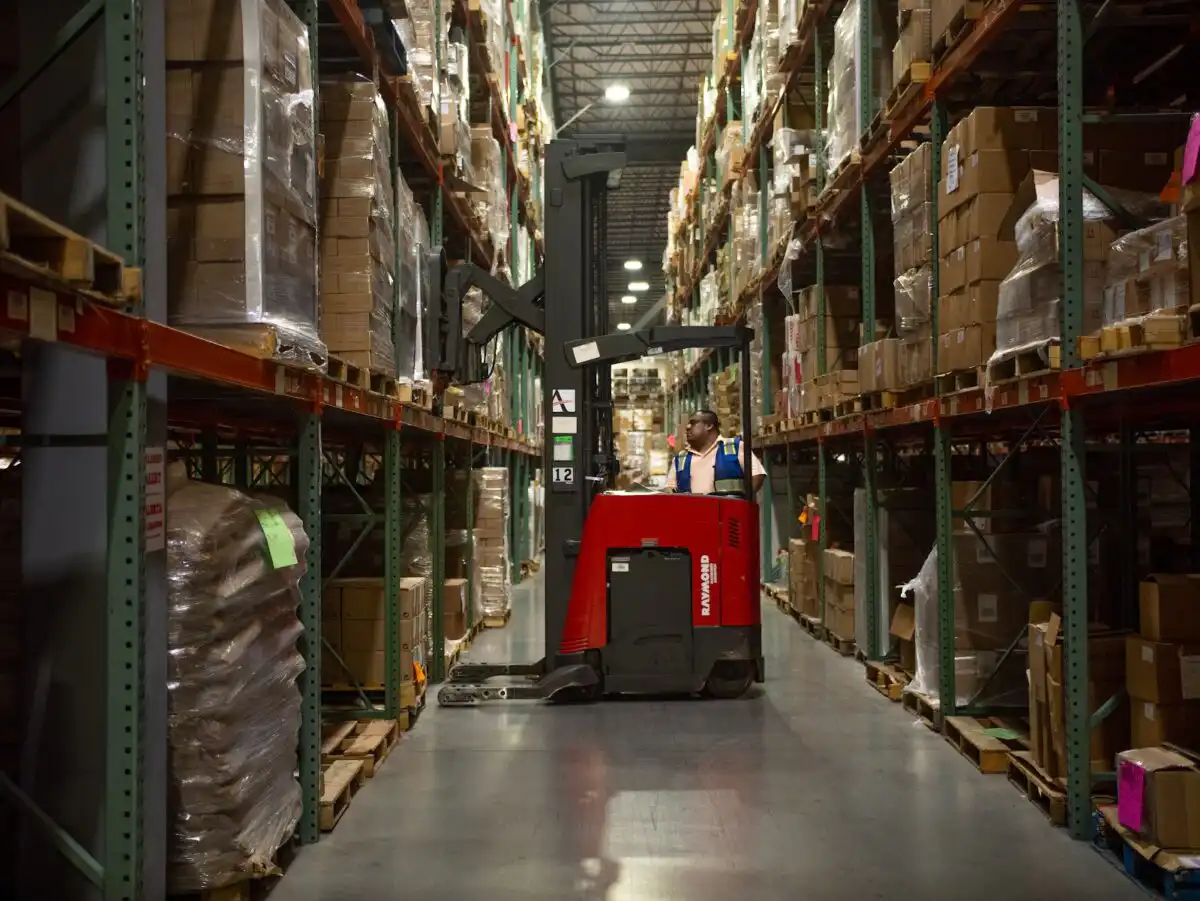
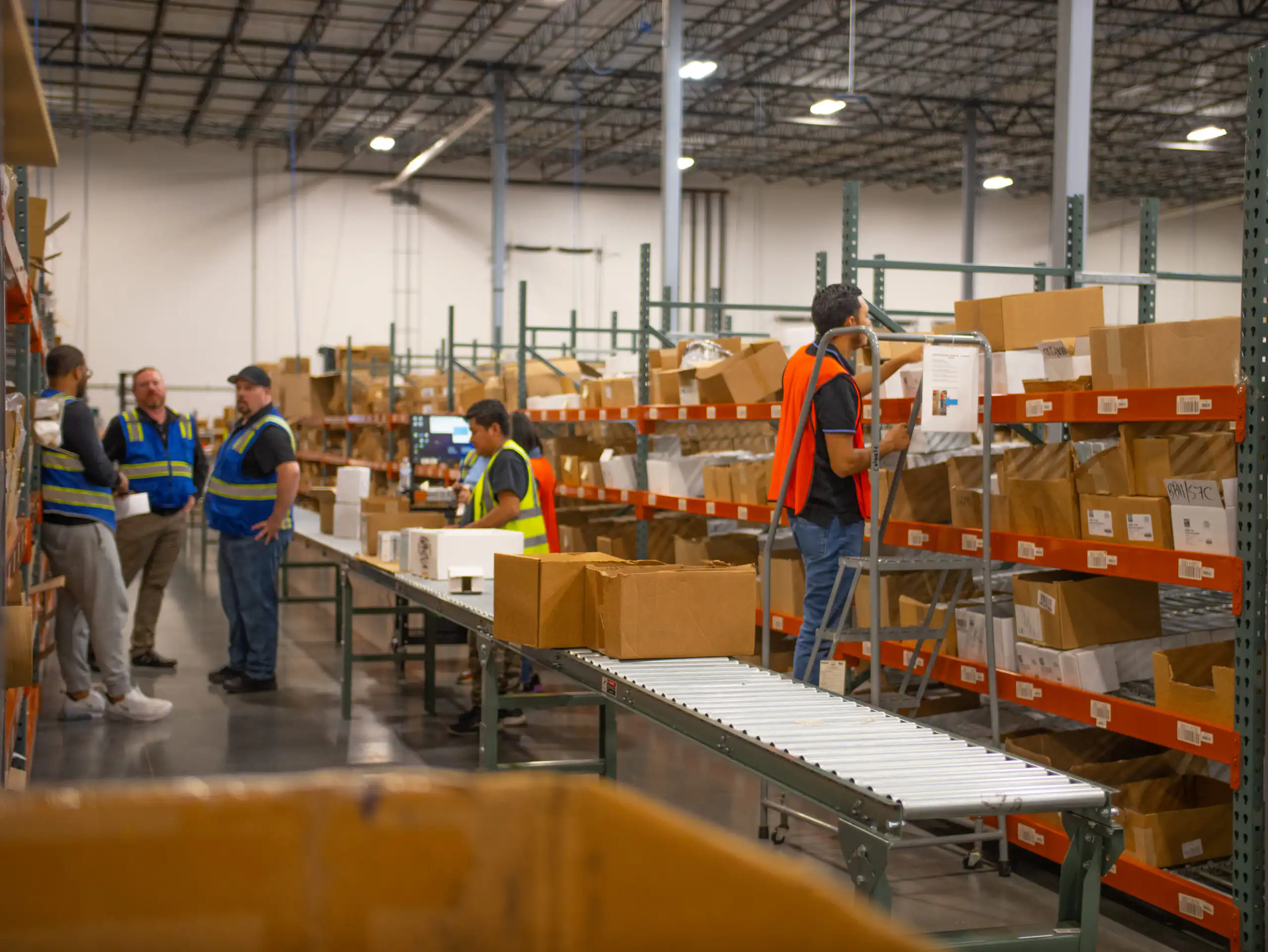
- Warehouse layouts designed for normal volume create congestion under peak conditions.
- Labor plans stretch because forecasts are not closely aligned with actual throughput capacity.
- Value-added services become pressure points as standard orders consume available labor and space.
During the season, teams work through these challenges in real time. That effort keeps the business moving, but it also hides structural weaknesses. The cost of this manual approach becomes clearer later, when brands look back and recognize how fragile performance was and how it impacted loyalty, costs, and internal teams.
What did your peak performance look like?
When fulfillment performance is reviewed after peak, the most useful conversations start with data that reflects operational flow. The goal is to understand how consistently orders moved through the system when volume was highest and pressure was sustained across multiple days and weeks, not just one event.
For example, during the 2025 holiday season, IDS supported clients through a significant increase in demand. Peak daily orders increased by 178 percent, and total peak volume rose 15 percent compared to the prior year. More important than the growth itself was how the operation handled that demand day after day.
- 50% of all orders shipped the same day
- 75% percent shipped within 24 hours
- 97% percent shipped within 48 hours
- Average delivery time was 2.5 business days
- Average order-to-delivery window was 4.1 days
This level of consistency reflects planning that anticipates growth instead of reacting to it. Metrics like these are the result of aligning forecast demand, labor models, and warehouse workflows so performance holds steady as volume scales. Pre-season planning is what allows a brand to grow without introducing unnecessary risk to service levels, customer experience, or operational stability.
How did your fulfillment metrics hold up during this high-demand season?
Why consistency supports scalable growth.
During peak season, fulfillment performance isn’t tested long enough when you experience a single busy day or short marketing campaign. It is tested in peak season when you experience sustained volume, changing order profiles, and limited room for error.
When operations rely on last-minute, manual fixes, performance becomes unpredictable, costs rise, accuracy slips, and mistakes happen. Over time, that unpredictability shows up in a lack of customer trust and diminished repeat-purchasing behavior.
For 2026, you’ll want to ensure that your operations are built around consistent execution because built-in flexibility and labor sharing will absorb demand more smoothly. For example:
- Forecasting discipline sets realistic expectations.
- Flexible labor models allow teams to shift where capacity is needed most.
- Warehouse layouts and picking strategies reduce friction when order volume increases.
Together, these elements support growth without forcing trade-offs between speed, accuracy, and service requirements when demand spikes again.
Value-added services reveal operational maturity.
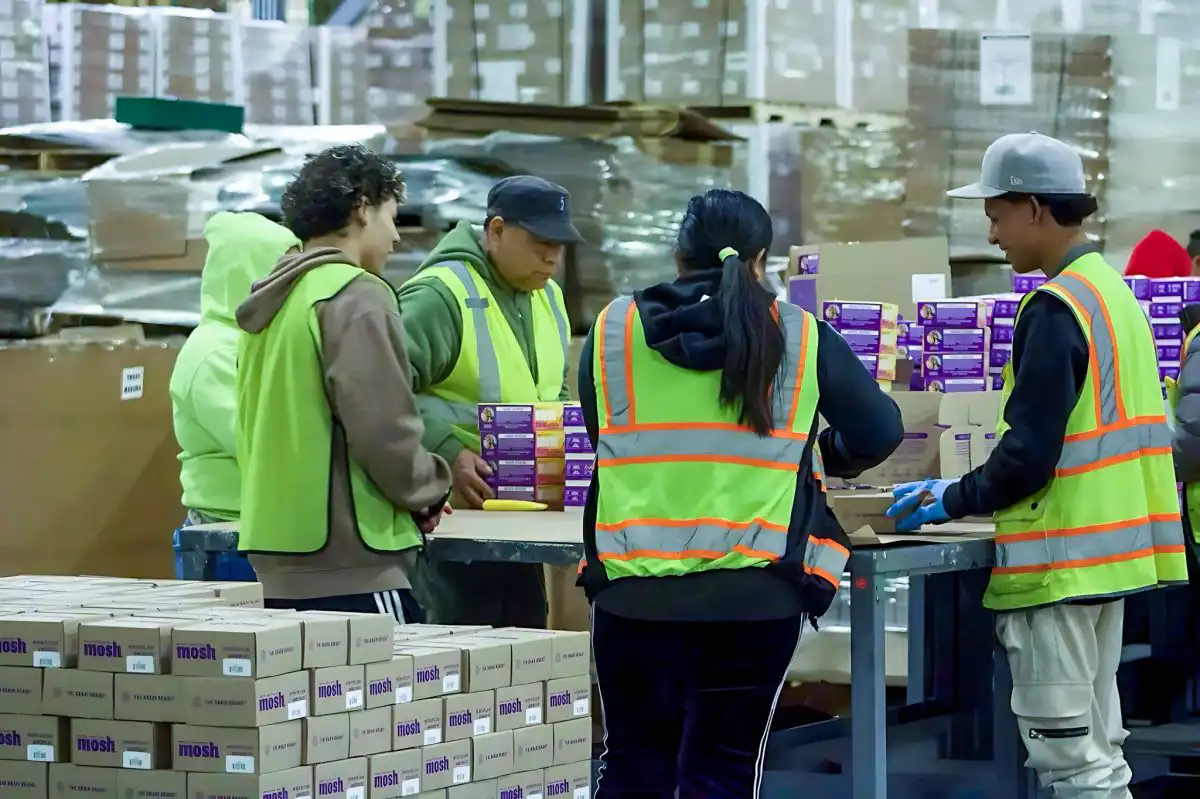
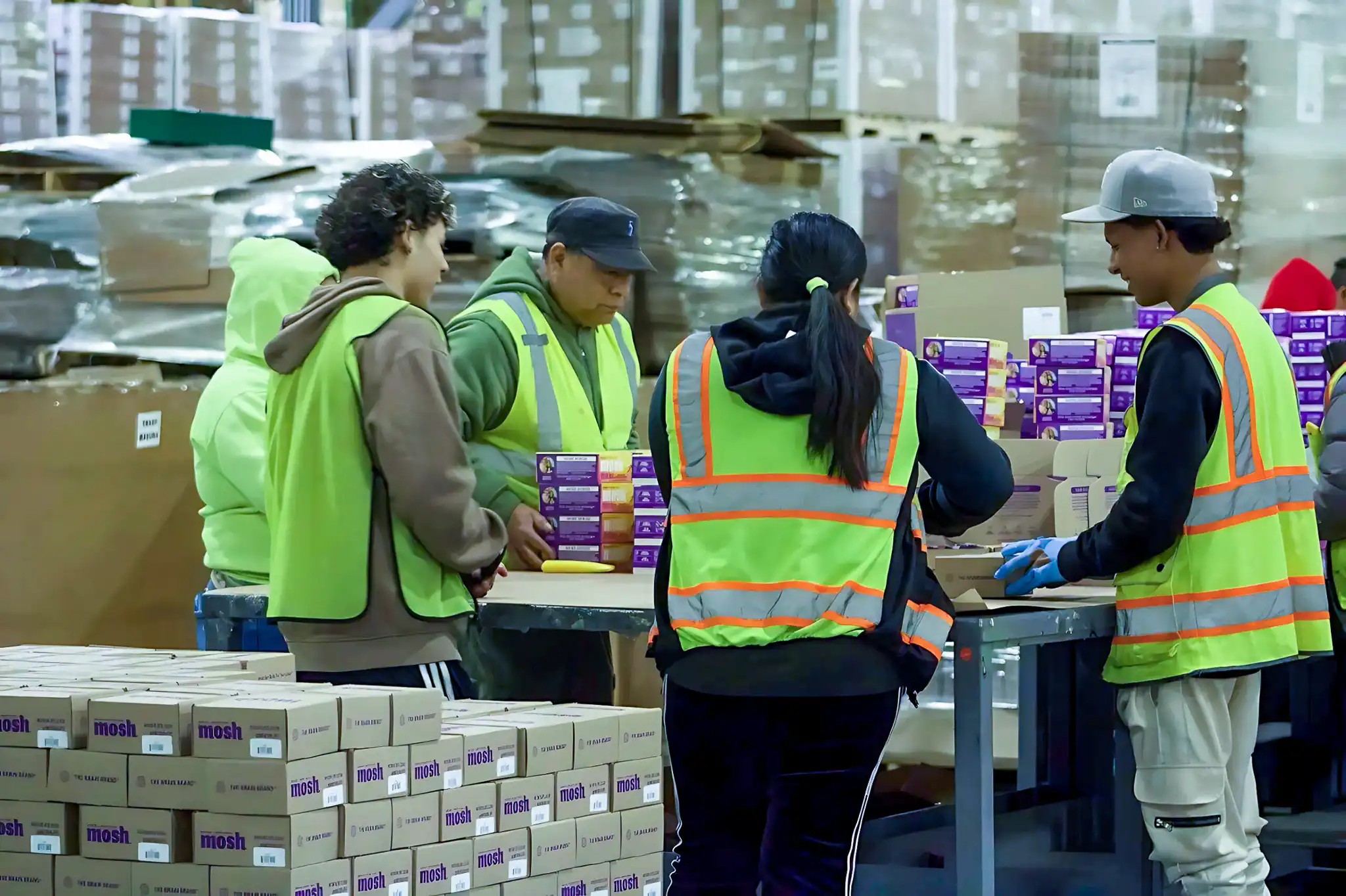
For many brands, value-added services are where peak season pressure is felt most often. Kitting, labeling, compliance steps, special packaging, and client-specific workflows add complexity at the exact moment volume is highest. When these processes are not fully integrated into peak planning, they become bottlenecks that slow the entire operation and create downstream errors that surface later as returns or customer complaints.
Maintaining value-added services through peak requires deliberate preparation, because:
- Labor must be shared across workflows.
- Picking strategies must account for mixed order types.
- Layout decisions must support throughput without increasing error rates.
During the 2025 season, IDS continued to meet client KPIs and value-added service requirements by planning for peak conditions early and aligning operational strategy to real demand patterns. That level of preparation is what allows brands to scale confidently through peak without compromising execution. Your fulfillment partner must do the same if you want to protect and grow your brand as demand increases.
Here’s what you should review within your own operations.
Q1 offers a rare opportunity to review peak performance with clarity. Growing brands should examine the following:
- How peak daily orders compared to baseline and how long those peaks lasted.
- Shipping performance across same-day, 24-hour, and 48-hour windows to understand consistency under pressure.
- Delivery time and total order-to-delivery windows reflect the customer’s experience.
When you evaluate your ecommerce fulfillment operation, returns should also be part of this review. Online return rates remain high across the industry, and peak season often exposes fulfillment-related drivers of returns, including mispicks, late deliveries, and inventory mismatches.
Together, these metrics reveal whether an operation absorbed growth in a controlled way or relied on short-term fixes to get through the season.
Using 2025 insights to plan for 2026.
Most teams want the next peak season to feel more predictable when it comes to fulfillment surprises and unnecessary costs. For 2026, you should expect:
- Performance that holds without constant intervention.
- Service levels that scale alongside demand.
- Growth without added stress on your teams or customers.
For many brands, the 2025 holiday season provided a clear test. Q1 is when the lessons can shape better decisions. Before locking in budgets, carriers, or fulfillment strategies for 2026, it is worth pressure-testing whether your current operation is built to scale with demand rather than simply survive it.
If you are reviewing your holiday fulfillment performance and are not satisfied with the outcomes, our 3PL RFP Template can help you evaluate better options. This resource outlines the questions and metrics that reveal whether a fulfillment provider has the infrastructure, process, and visibility needed to support scalable growth.
At IDS Fulfillment, we deliver accurate, scalable fulfillment solutions that help mid-sized ecommerce and multi-channel brands succeed across the U.S. From omnichannel order fulfillment to returns processing, our experienced team combines flexible logistics systems with real-time visibility to protect your customer experience and support growth. Backed by decades of operational expertise and powered by DHL Supply Chain’s infrastructure, IDS helps businesses scale with confidence, control costs, and meet delivery expectations every time.