


Apparel fulfillment comes with unique challenges that can make or break your brand.
With apparel fulfillment, you're dealing with hundreds of SKU variations, sky-high return rates, and customers who expect their order fast and on time. One wrong color or size, and that customer is writing a review that'll haunt you for months.
So how do the brands winning right now actually pull this off? Let's walk through apparel order fulfillment best practices that separate the brands scaling smoothly from the ones constantly putting out fires.
Your inventory accuracy needs to be locked down.
Everything starts with knowing exactly what you have and where it is. This may sound simple, but when you're dealing with size runs, color variations, and seasonal products rotating constantly, inventory accuracy becomes your make-or-break metric.
Here are a few ways you can ensure your inventory is ready to scale with your business.
Real-time Inventory Visibility
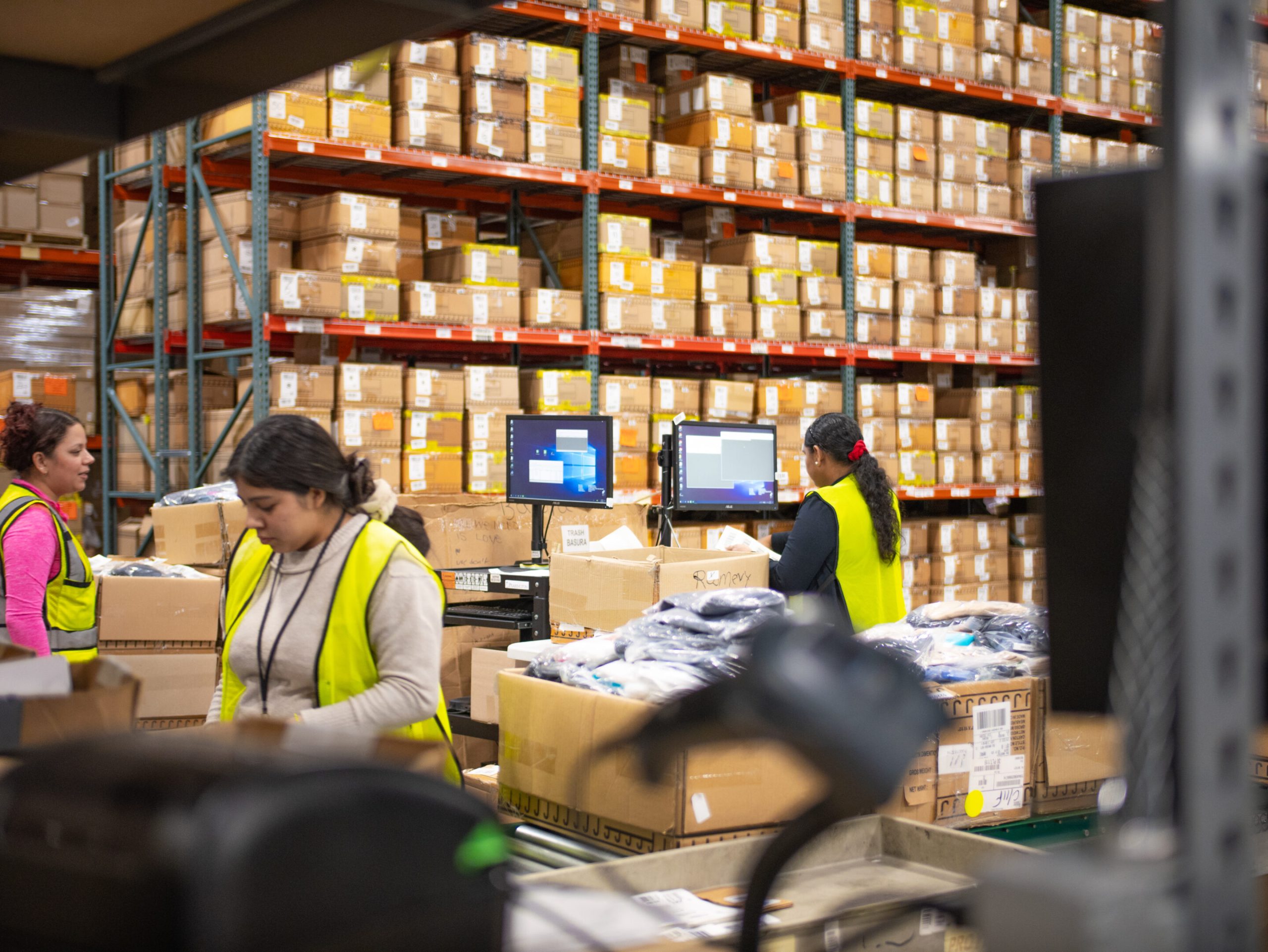
Your system should update the second something moves—whether it's received, picked, packed, or returned. No more "sorry, that's actually out of stock" emails after someone already ordered. Advanced warehouse management systems track every movement with barcode or RFID scanning, so your online inventory matches your physical inventory at all times.
Smart Storage Organization
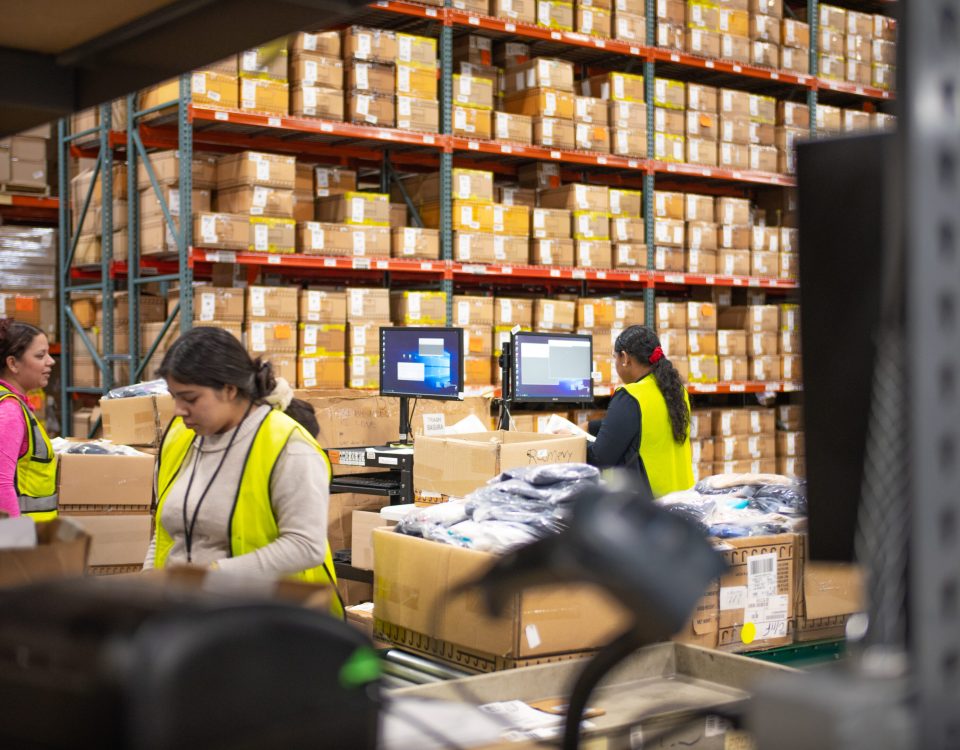
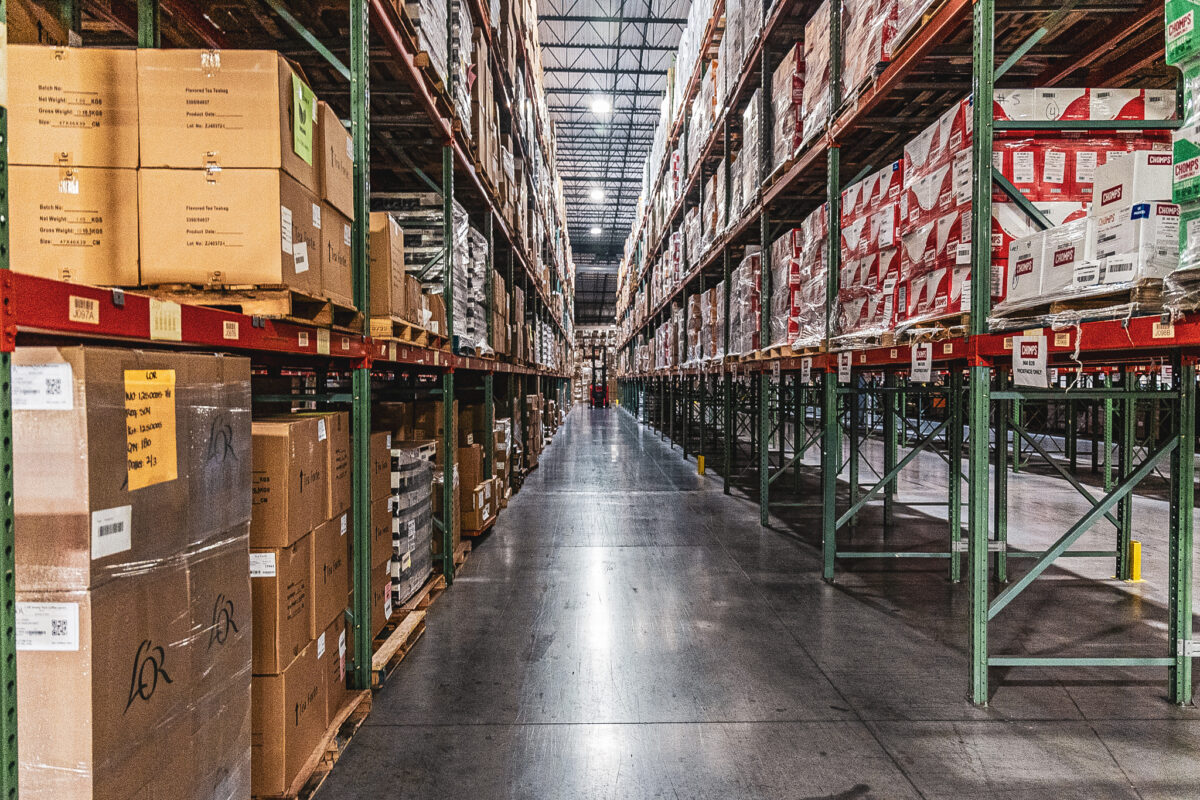
Scaling operations organize inventory by size, color, and popularity. Fast-moving items are placed near packing stations. Similar colors are separated to avoid picking a navy shirt when the order says black. These details reduce mis-picks dramatically and speed up the entire process.
Variant-level Verification
Basic SKU scanning isn't enough when you have the same t-shirt in six colors and five sizes. You need systems that verify not just the product, but the exact variant—size, color, style—before it ships. That extra scan prevents the wrong-item returns that kill customer trust.
When your inventory system is tight, everything downstream gets easier. You avoid oversells, reduce picking errors, and actually know what you can promise customers. It's the foundation everything else builds on.
Accuracy matters more than speed.
Fast shipping is now the bare minimum. Your customers expect it, your competitors offer it, and you need to deliver it. But unfortunately, speed means nothing if you're shipping the wrong items quickly.
The brands getting this right focus on order accuracy first, then optimize for speed. They're hitting 99.5%+ accuracy rates even during peak seasons because they've built quality checks into every stage of the process.
Multiple Verification Points
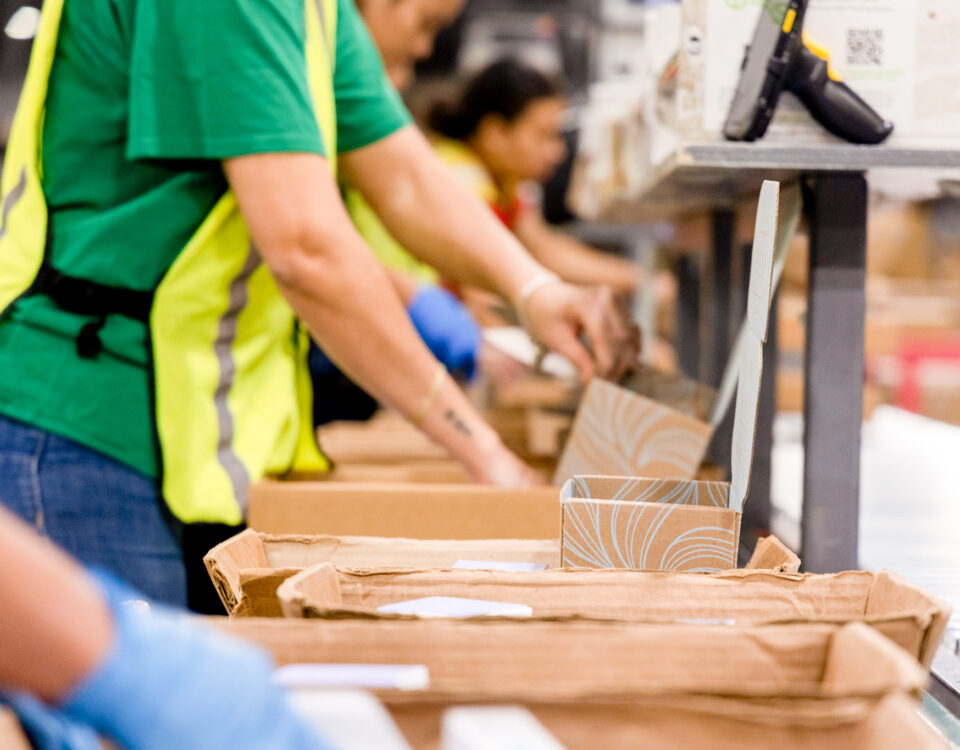
These points catch errors before they ship. Items get scanned during picking, verified during packing, and checked again before the label goes on. Yes, it adds seconds to each order. But it saves hours of customer service time and prevents costly returns.
Strategic Fulfillment Center Placement
When your inventory is distributed across multiple regions—East Coast, Midwest, West Coast—you're automatically closer to most customers. That being said, it’s also important to look at specific distribution centers and their logistics. For example, shipping from the Midwest can reach 98% of the continental United States within two days. That means faster delivery times and lower shipping costs.
Batch Picking & Wave Picking
For fast-moving brands, batch picking and wave picking can significantly speed up fulfillment during high-volume periods. Instead of picking one order at a time, you pick multiple orders simultaneously and sort them later. It's more efficient at scale, but only works when your systems and apparel 3PL partner can keep everything organized.
Packaging is part of the experience.
When your customer finally gets their order, they're likely experiencing your brand in person for the first time. In fashion, where perception drives everything, this moment carries real weight.
The presentation details that actually matter:
Consistent Folding & Packaging Standards
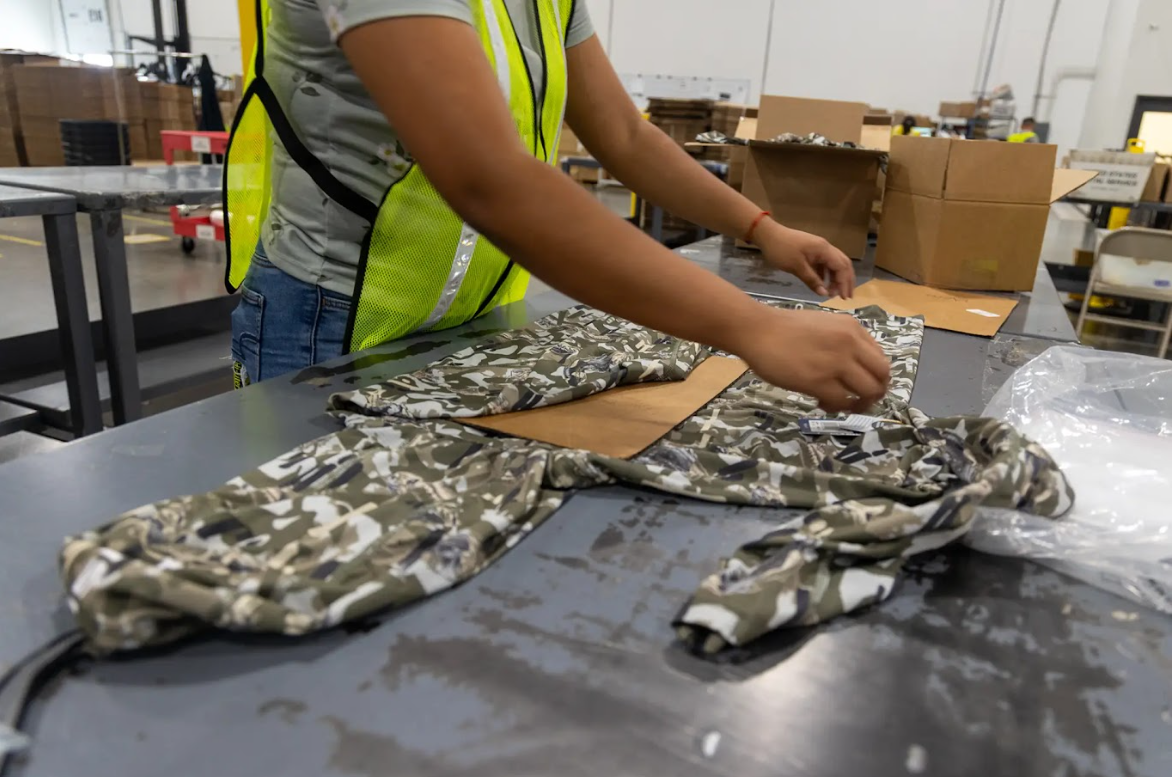
Consistent folding and packaging standards ensure every order looks retail-ready when it arrives. Your apparel fulfillment team should follow specific procedures for how garments are folded, whether items are placed flat or rolled, and how they're arranged in the package. A wrinkled shirt or haphazardly stuffed dress doesn't just look unprofessional—it signals to customers that you don't care about the details.
Branded Packaging Materials
Branded packaging materials take your customer experience from functional to memorable. This includes custom tissue paper with your logo, branded mailers or boxes that customers recognize before they even open them, thank you cards that reinforce your brand story, and even custom tape or stickers that make the package feel special.
Yes, this costs more than generic packaging. But here's what that investment buys you:
- Customers who feel like they're receiving a gift rather than a transaction
- Social media-worthy unboxing moments that become free marketing
- Premium perception that justifies your price point
Protective & Eco-Friendly Packaging
Garments need protection from moisture, creasing, and damage during transit. Sealed poly bags for individual items, sturdy boxes for multiple pieces, and proper cushioning all matter.
Eco-friendly packaging is also becoming increasingly non-negotiable. Studies show 67% of shoppers prefer brands with sustainable packaging. Recyclable mailers, minimal plastic, and biodegradable packing materials are great for both the planet and your brand perception.
Your returns process shouldn’t drain your margins.
Returns in apparel are just part of the business. Customers buy multiple sizes, change their minds, or find that the fit isn't quite right. You're never getting to zero returns—so the goal is making them as efficient and customer-friendly as possible.
The brands handling returns well do a few things differently:
Ease of Return Process
Free returns, prepaid labels, and a simple online portal where customers can initiate returns in seconds all help make the process quick and simple. And when it’s easy to return items, customers place more trust—and orders—with your business. In fact, 92% of customers say an easy return process makes them more likely to buy again.
Speed
Process returns and issue refunds within 5-7 days maximum. Every day a customer waits for their refund is a day they're less likely to order again. Fast returns processing shows you respect their time and builds trust.
Inspect & Categorize Returned Items
Some returned items can go right back to sellable inventory. Others need cleaning, repair, or retagging. Some need to be written off entirely. Having a clear workflow prevents returned items from sitting in limbo, tying up your capital and warehouse space. And the sooner you inspect an item, the sooner it can potentially be sold again.
Track Your Returns
If the same product keeps coming back for fit issues, that's actionable data. Your size chart might need an adjustment, that particular product could run small, or the fabric might not photograph accurately. Data from returns tells you exactly where to improve so you can prevent future returns and retain more customers.
Integrate technology wherever you can.
Most brands don't realize until they hit real volume that competitive advantage comes from systems that automate and optimize fulfillment processes without constant human intervention.
The top growing apparel companies are building their operations around a few key technological foundations:
Warehouse Management System (WMS)
Your warehouse management system (WMS) should be doing heavy lifting you didn't even know was possible. The best systems predict which orders to prioritize based on SLA, automatically route orders to the optimal fulfillment center, adjust inventory across locations based on demand patterns, and flag potential issues before they become problems.
Integration Across Systems
Seamless integrations across your tech stack eliminate the manual work that causes errors and delays. Your WMS should talk to your e-commerce platform, your marketplace accounts, your shipping carriers, and your customer service software without anyone copy-pasting data between systems.
Prepare for scaling.
We constantly see brands wait until they're drowning in orders to think about scalability. By then, you're making desperate decisions under pressure instead of strategic ones with options.
The brands that scale smoothly build flexibility into their operations from the start. This means working with 3PL partners who can handle volume spikes during launches, seasonal peaks, and viral moments without sacrificing accuracy or speed.
This is what scalability looks like:
Flexible Labor
Your fulfillment partner should be able to flex labor quickly. When you drop a new collection or run a flash sale, order volume can triple overnight. You need partners with trained staff ready to jump in, not scrambling to hire and train during your busy season.
Storage Capacity
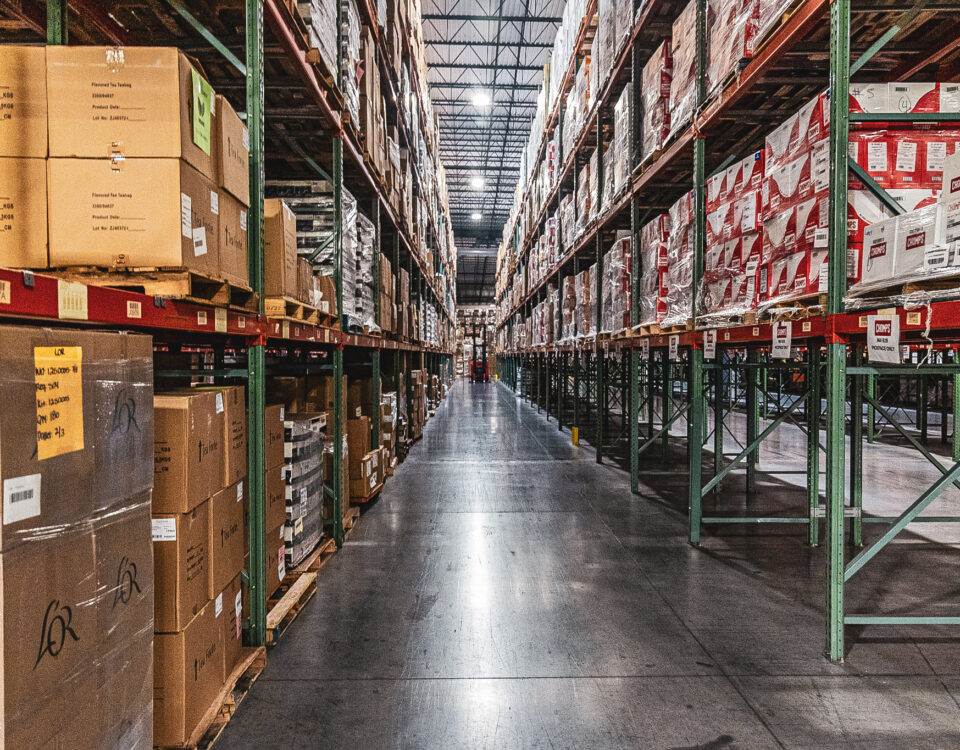
Likewise, storage capacity needs to grow with you. As your catalog expands and you add more SKUs, your warehousing should accommodate growth without forcing you to find new partners and migrate everything.
Location & System Capacity
Geographic expansion becomes easier when your fulfillment partner has multiple locations. Want to start reaching West Coast customers faster? Your partner should already have facilities there, not make you set up a new relationship.
System capacity matters too. Your WMS, integrations, and automation need to handle 10x your current volume without breaking. Test this before you need it, not during your biggest launch of the year.
In fashion ecommerce, your fulfillment operation is your customer experience. All the beautiful branding, perfect product photos, and compelling copy in the world can't save a customer relationship if the order shows up late, wrong, or damaged.
The brands winning right now understand this and have implemented these apparel order fulfillment best practices. They've invested in accuracy, speed, presentation, and seamless returns because they know these things directly impact retention, lifetime value, and word-of-mouth growth.
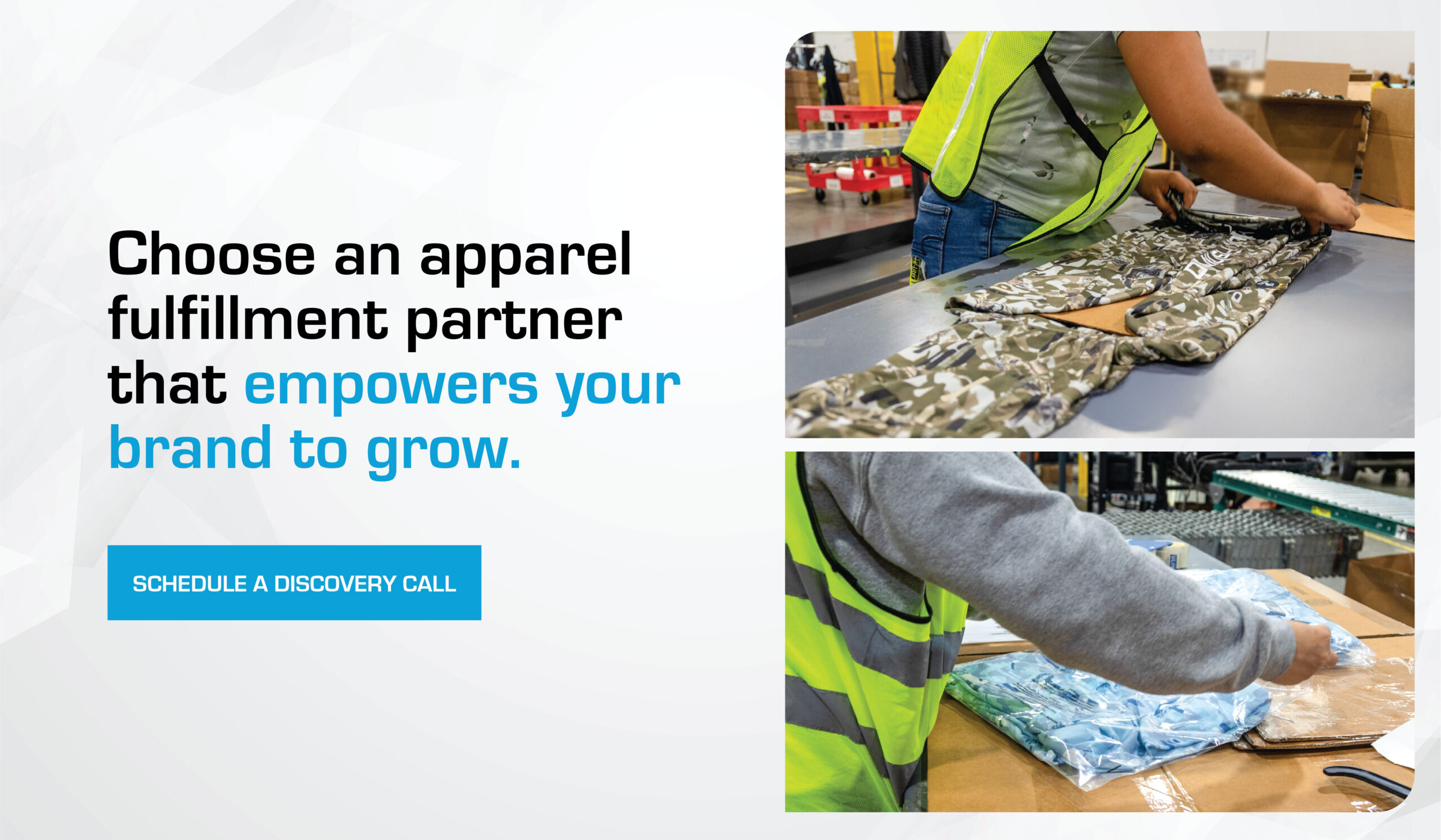
At IDS Fulfillment, we deliver accurate, scalable fulfillment solutions that help mid-sized ecommerce and multi-channel brands succeed across the U.S. From omnichannel order fulfillment to returns processing, our experienced team combines flexible logistics systems with real-time visibility to protect your customer experience and support growth. Backed by decades of operational expertise and powered by DHL Supply Chain’s infrastructure, IDS helps businesses scale with confidence, control costs, and meet delivery expectations every time.