


The reality is that fulfillment mistakes don't just cost money—they cost customers.
In the competitive world of fashion ecommerce, your fulfillment partner is doing more than moving boxes. They're shaping your brand's reputation with every order. Research shows that 86% of consumers expect delivery within two days, and 63% will switch brands after a poor delivery experience. For apparel brands, where fit issues and style preferences already drive higher return rates, getting fulfillment right is critical to protecting customer loyalty.
When shipments are delayed, items arrive damaged or incorrect, or returns become a hassle, trust erodes quickly. Choosing the right apparel fulfillment company can be the difference between building a loyal customer base and constantly fighting to replace lost buyers.
This guide breaks down exactly what to look for in an apparel fulfillment company to ensure your operations support—not undermine—customer satisfaction and long-term retention.
Inventory management ensures order accuracy.
Receiving the wrong item is one of the top reasons customers return apparel orders. Even small mistakes—wrong size, color, or style—create frustration, increase return rates, and damage trust. In apparel, where products have multiple variants across sizes, colors, and styles, maintaining accuracy becomes more complex than in other industries.
Inventory management is critical in this area, especially if you sell across channels. Your 3PL partner should have an advanced warehouse management system (WMS) to keep your online inventory perfectly synchronized with your physical stock to prevent oversells, backorders, and stock discrepancies.
The best fulfillment partners integrate accuracy into every step of their process. Rather than using basic SKU scanning, they should implement barcode or RFID scanning that verifies not only the product type, but also the exact variant (style, color, size, etc.) to avoid errors before the item ships.
This organization should also extend to how your stock is stored. High-performing operations organize inventory by size, color, and popularity to reduce picking errors. When similar items are properly segmented, warehouse teams can locate and pack orders quickly without confusion.
Accurate fulfillment reduces returns, cuts customer service inquiries, and builds the kind of reliability that turns first-time buyers into repeat customers. When customers consistently receive exactly what they ordered, they gain confidence in your brand that drives long-term loyalty.
Presentation standards maintain branding consistency.
For apparel brands, packaging is part of the product experience. The way an order arrives influences how customers perceive quality, attention to detail, and brand value. Sloppy presentation can both disappoint customers and undermine the premium positioning many apparel brands work hard to build.
A quality fulfillment partner should treat your product presentation as seriously as you do. This starts with having procedures in place to ensure your products are delivered in on-brand packaging and in quality condition.
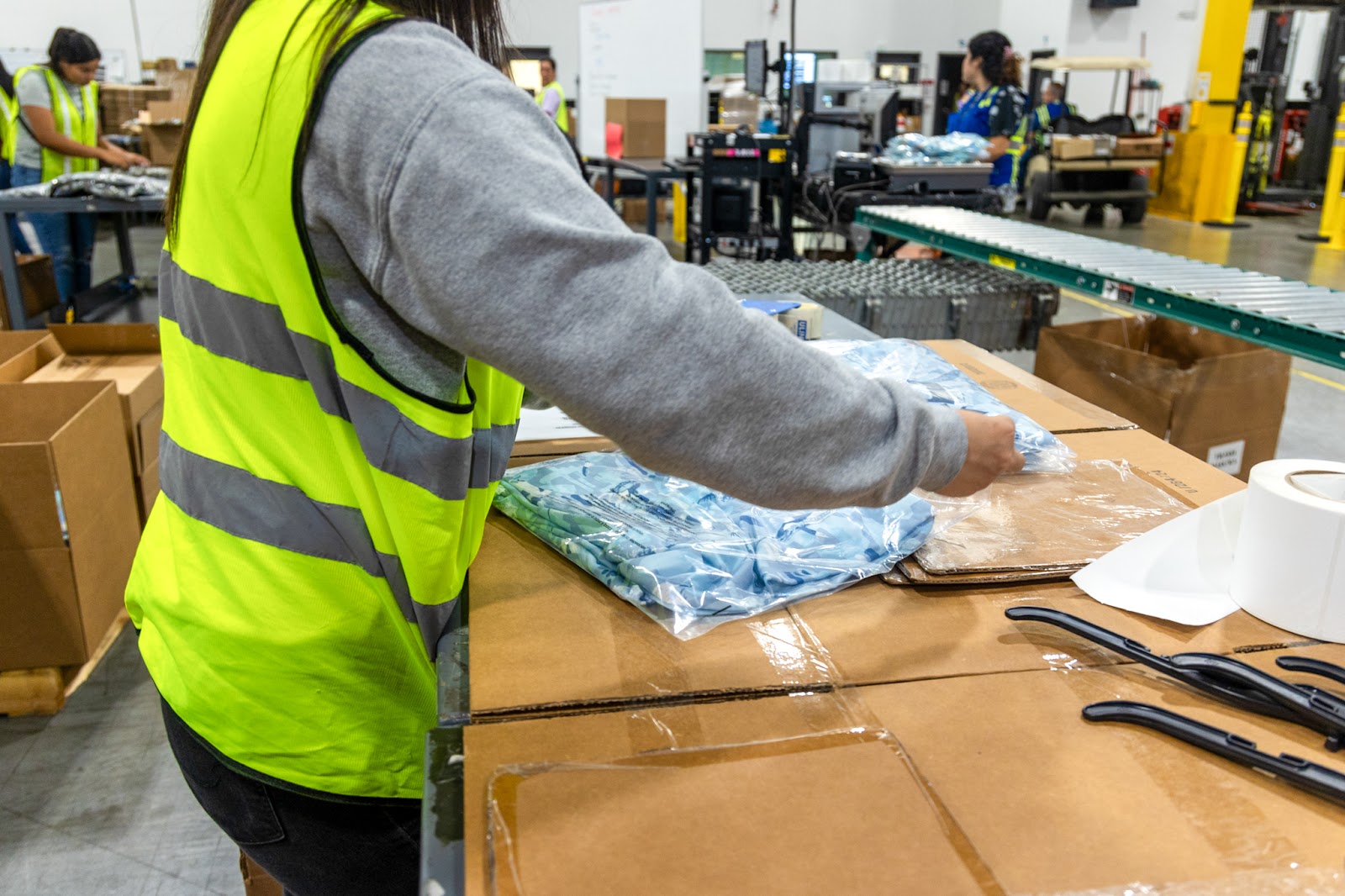
Apparel should always arrive wrinkle-free, undamaged, and ready to wear. Your partner should have standard operating processes for folding, bagging, and protecting garments during fulfillment to maintain product quality. These procedures should include inspecting products and removing any damaged or flawed apparel before shipping to customers.
Likewise, premium unboxing experiences strengthen brand perception and encourage social sharing. Look for partners who support custom packaging, branded inserts, hang tags, and other touches that reinforce your brand identity with every delivery.
When packaging enhances rather than detracts from the customer experience, it creates positive brand associations that increase satisfaction, reduce complaints, and encourage repeat purchases.
Scalability & flexibility support growth & seasonality.
Apparel brands face unique demand challenges—new collection launches, seasonal peaks, flash sales, and trend-driven surges can strain fulfillment operations quickly. A partner that can't scale or adapt becomes a bottleneck that limits growth, damages customer experience, and creates operational chaos during critical selling periods.
Your apparel fulfillment partner should be built to flex with your business, regardless of the season or campaign. Fashion moves fast. Your partner should handle frequent product launches and high SKU turnover without delays or confusion. This includes quick setup for new collections, seamless integration of seasonal items, and efficient management of SKU complexity across sizes, colors, and styles.
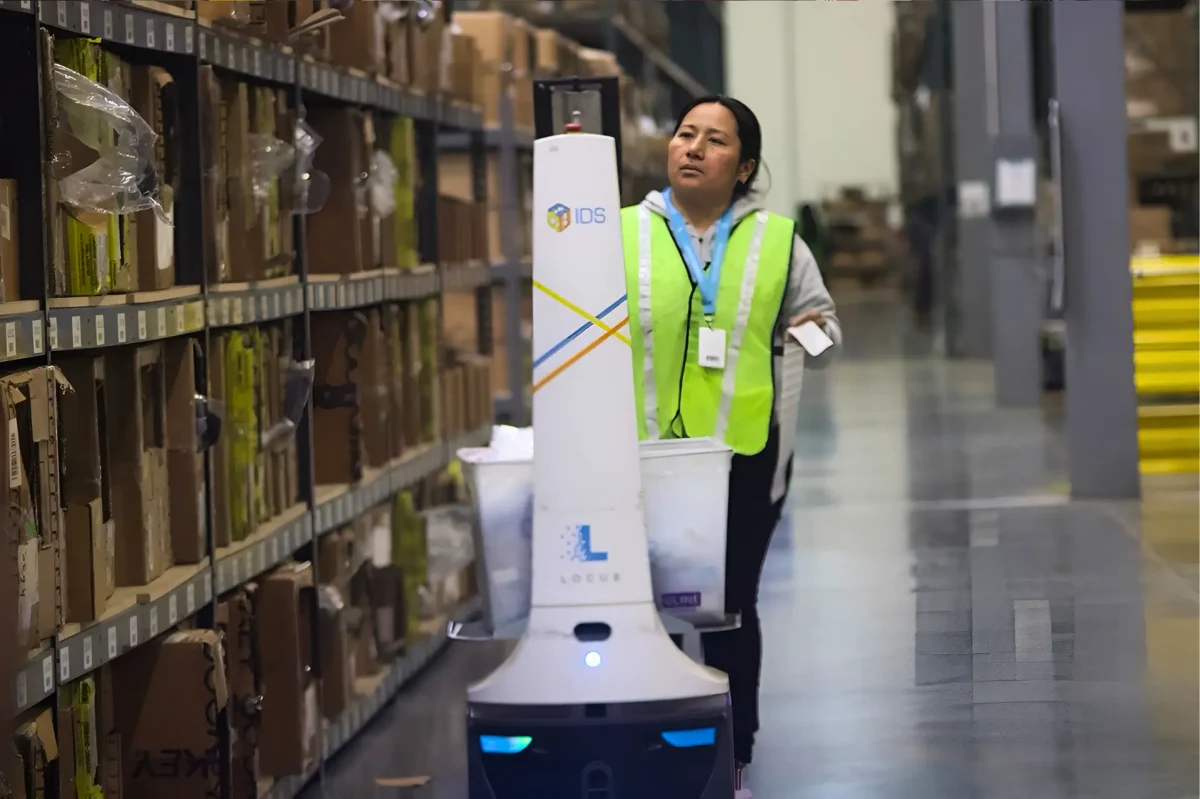
Peak seasons and promotional events can double or triple order volume overnight. Your partner should have access to flexible labor pools and scalable storage capacity to meet demand spikes without compromising speed or accuracy. Similarly, they should be using advanced WMS, automated picking systems, and AI-driven inventory management that can handle growing order volumes and increasing complexity without performance degradation.
A scalable fulfillment partner protects your ability to grow. When operations can handle rapid expansion, seasonal surges, and new product launches without breaking, you maintain customer satisfaction during the moments that matter most—while competitors struggle with delays and errors.
Efficient procedures make returns management seamless.
Even with following all these steps, returns are a reality in apparel ecommerce. But returns don't have to drain margins or frustrate customers. A well-structured returns process can actually strengthen loyalty by making the experience easy, transparent, and fast.
A smart 3PL partner will protect both profitability and customer relations with clear, customer-friendly return policies that are communicated upfront. Hassle-free returns encourage customers to buy with confidence. Look for partners who provide prepaid return labels, resealable packaging, and branded return portals that make sending items back effortless.
Returned items should be quickly inspected, categorized, and either restocked for resale or flagged for disposition. Efficient workflows prevent returned inventory from sitting idle, tying up working capital.
Your returns process shouldn’t end when the refund is given. A strong partner tracks return reasons and patterns to help you identify recurring issues. If certain products consistently come back for fit or quality problems, that's actionable intelligence you can use to improve offerings or adjust marketing.
A smooth, transparent returns experience reassures customers and removes buying friction. When shoppers know returns are easy, they're more willing to try new items and take chances on your brand—driving higher conversion rates while maintaining trust.
Don't let fulfillment become the weak link in your customer experience. The brands that win in apparel ecommerce are the ones whose operations consistently deliver on promises as well as quality products. When every order arrives fast, accurate, and beautifully presented, customers notice. And they come back.
If you're ready to evaluate your fulfillment strategy and find a partner built to protect customer loyalty, take the first step by assessing your current operation. Understanding where gaps exist and what to look for in an apparel fulfillment company is the foundation for making improvements.