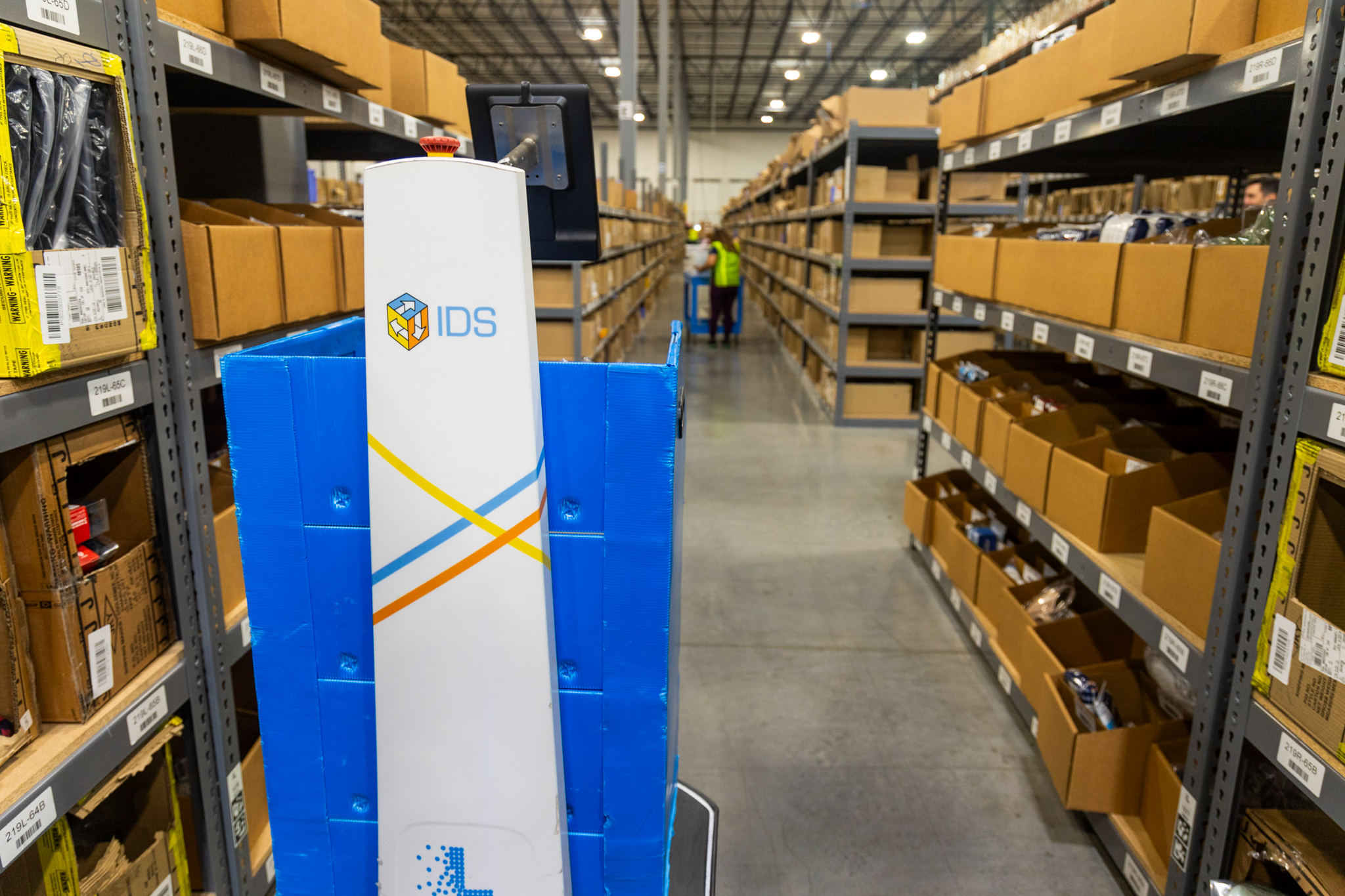




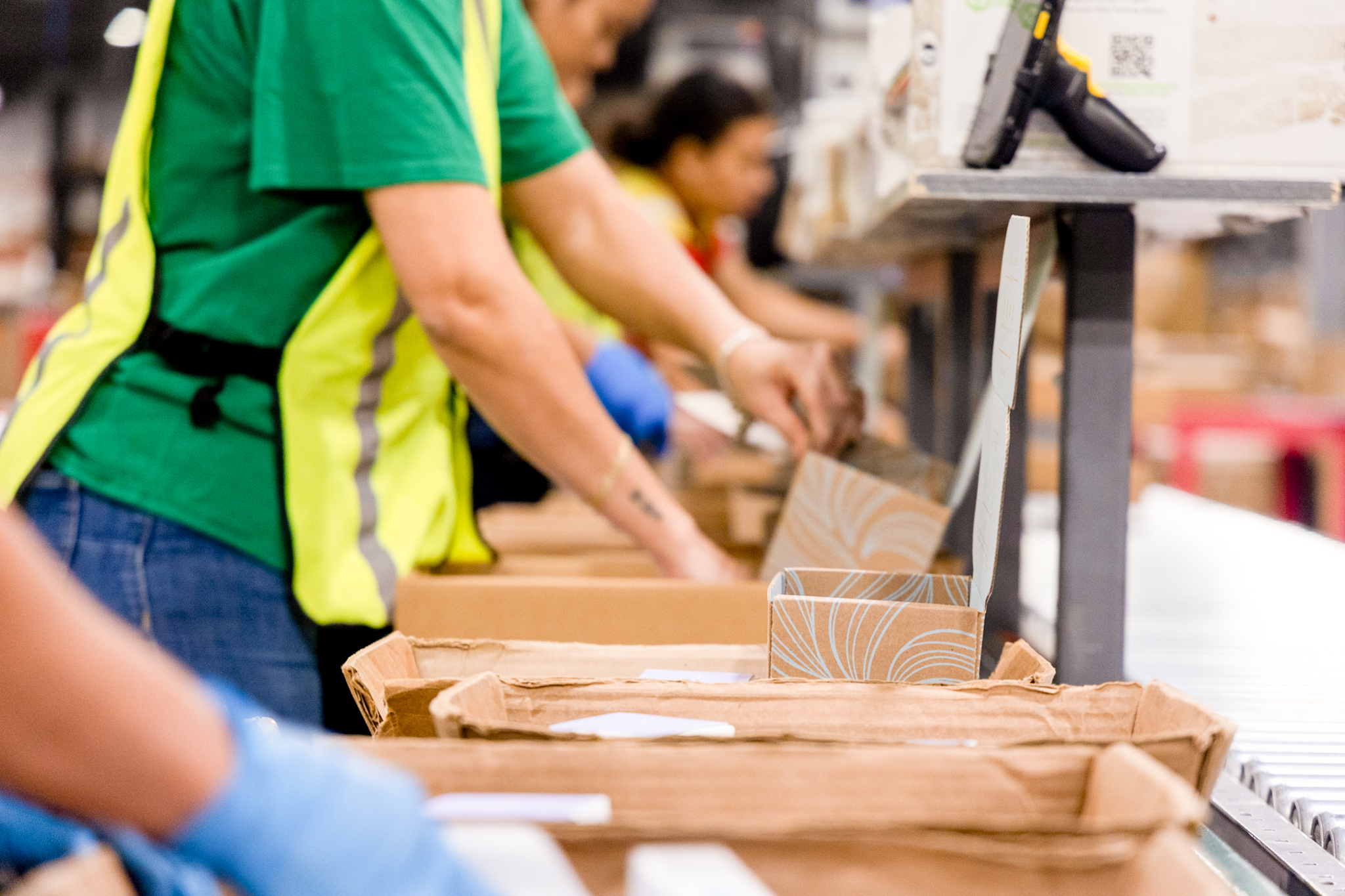
Every fulfillment operation is built on a plan.
The problem is, plans change. Forecasts miss, demand shifts, and channels move faster than expected. When that happens, flexibility is what keeps orders moving and customers happy.
A flexible fulfillment system is not just about reacting when things change. It’s about being ready for it. It relies on connected infrastructure, integrated technology, and repeatable processes that can scale without slowing down.
Pay attention to these areas when evaluating your 3PL provider and fulfillment operation. Look for signs that your system is built to adjust, not just react.
A flexible fulfillment system starts with connected infrastructure.
A single-site operation works until demand moves somewhere else. When customer locations shift or delivery promises tighten, relying on one facility can mean longer transit times and higher shipping costs. A multi-node network and advanced technology solve that.
When your 3PL operates a connected network:
- Orders route automatically to the best location based on stock and distance.
- Seasonal spikes are spread across facilities to maintain throughput.
- Inventory stays balanced, avoiding overstock in one site and shortages in another.
This strategy can forecast and position inventory closer to customers so orders travel fewer miles and reach them faster. And with unified systems in place, inventory can be rebalanced across sites, and capacity can be shared when volumes surge.
Technology keeps flexibility in sync.
You can’t adapt if you can’t see what’s happening. A flexible system depends on accurate, connected data that shows where orders stand and how inventory is moving.
When systems talk to each other:
- Inventory moves based on real demand, not projections.
- Labor plans match actual order patterns.
- Carrier choices can shift before costs rise.
Your provider’s technology should integrate with your platforms to give you real-time visibility into order flow, inventory, carrier performance, and forecasting. When data is connected, you can make adjustments without guessing.
Process turns flexibility into control.
Technology and infrastructure only work if the operation behind them can adjust. The best fulfillment partners build flexibility into their process so they can handle change without losing accuracy or speed.
A flexible fulfillment system will:
- Scale resources quickly without hurting quality.
- Maintain accuracy as order profiles shift.
- Keep communication open between your team and theirs.
Successful fulfillment strategies plan labor through shared workforce models, train cross-functional teams, and maintain performance when priorities shift. That’s the difference between organized flexibility and reactive scrambling.
A flexible fulfillment system that can adjust with demand keeps costs stable and customers happy. It helps brands handle seasonal volume, new channels, and regional demand without overextending storage or labor. If your operation slows every time the plan changes, flexibility is not built in. It’s being forced.
When evaluating alternative fulfillment partners, use our 3PL RFP Template. It highlights the questions that show whether a provider has the infrastructure, systems, and processes to grow with your business.
At IDS Fulfillment, we deliver accurate, scalable fulfillment solutions that help mid-sized ecommerce and multi-channel brands succeed across the U.S. From omnichannel order fulfillment to returns processing, our experienced team combines flexible logistics systems with real-time visibility to protect your customer experience and support growth. Backed by decades of operational expertise and powered by DHL Supply Chain’s infrastructure, IDS helps businesses scale with confidence, control costs, and meet delivery expectations every time.