


Margins rarely collapse overnight.
They erode slowly, hidden inside the details of everyday fulfillment for growing brands. A few extra minutes on a pick line. A shift in labor hours. Small inefficiencies that multiply until the invoice tells a story no one saw coming.
These gradual shifts in labor, process, and accuracy begin to weaken efficiency when fulfillment becomes reactive. As demand grows, your hidden fulfillment costs erode margins little by little.
This article outlines where hidden fulfillment costs tend to emerge and how to identify them early enough to protect fulfillment performance and control costs.
Hidden Fulfillment Costs #1: Idle Labor & Reactive Scheduling
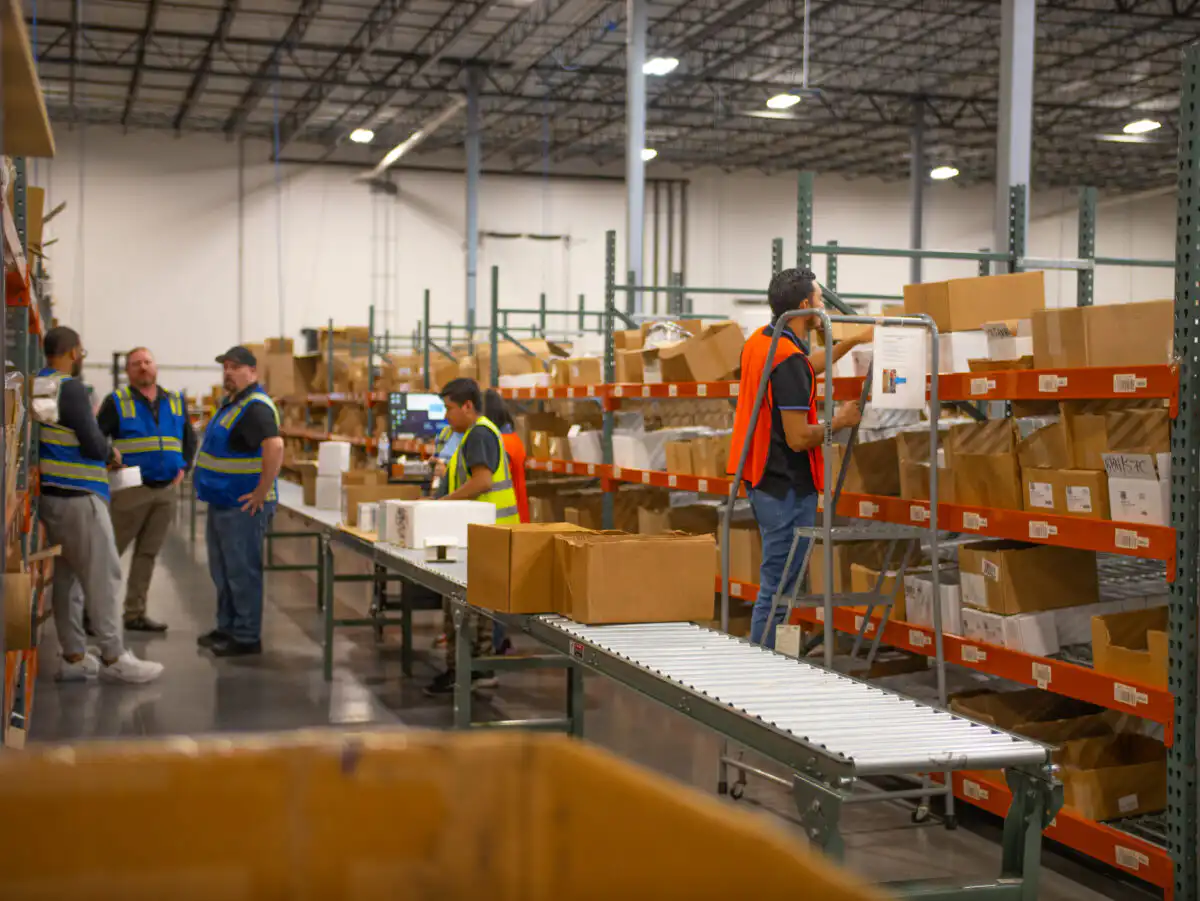
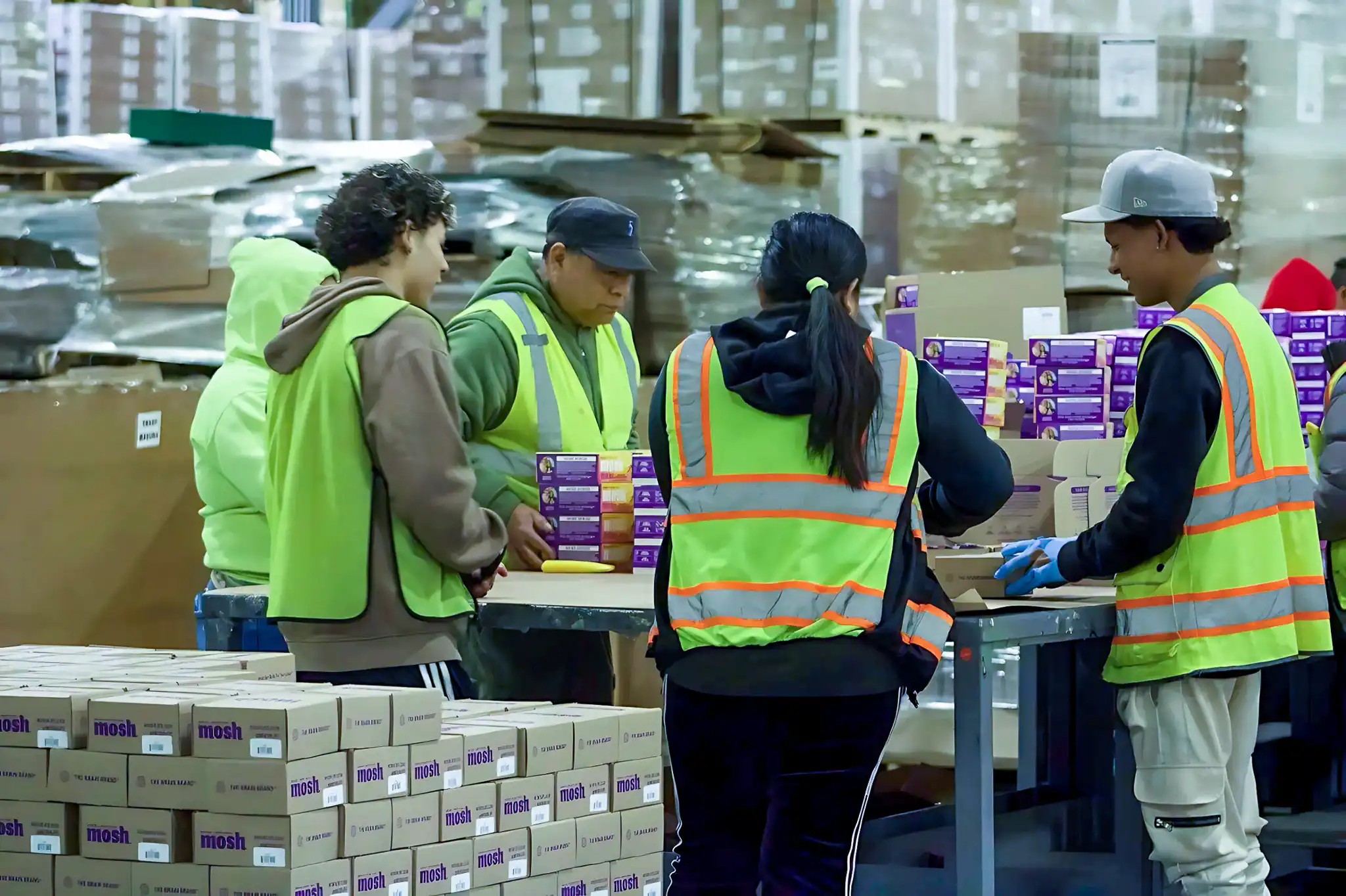
Growth exposes every weakness in a fulfillment plan. What once ran smoothly under predictable volume begins to strain as orders increase. The signs are subtle at first—a shift that runs long, a team that can’t catch up, an invoice that grows faster than revenue. Labor becomes harder to predict. Teams stay busy, but productivity no longer keeps pace.
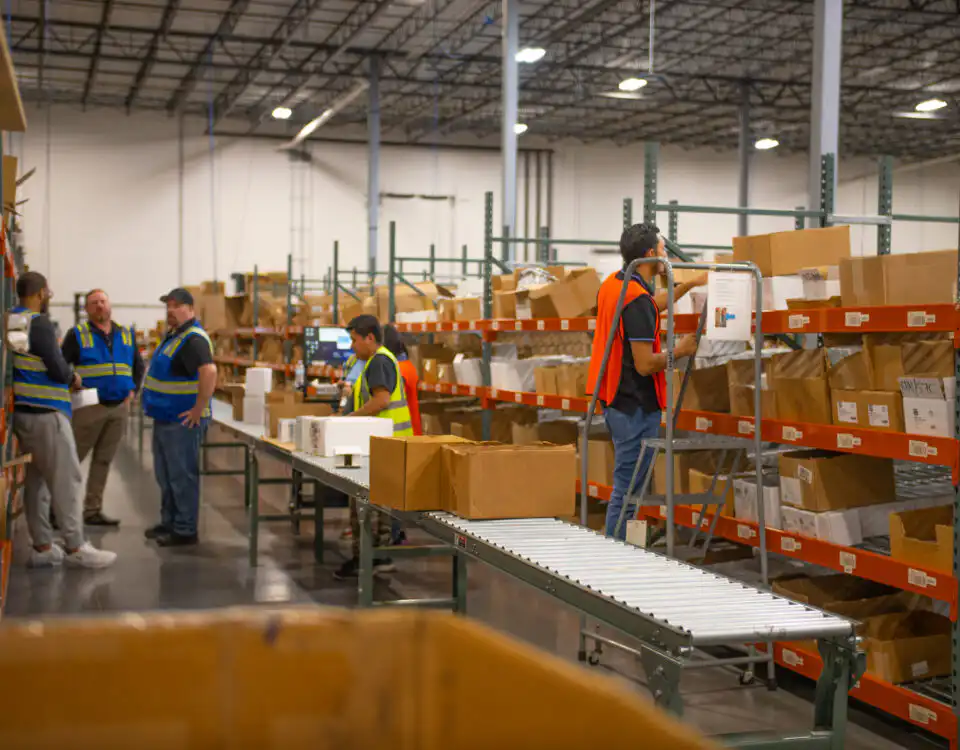
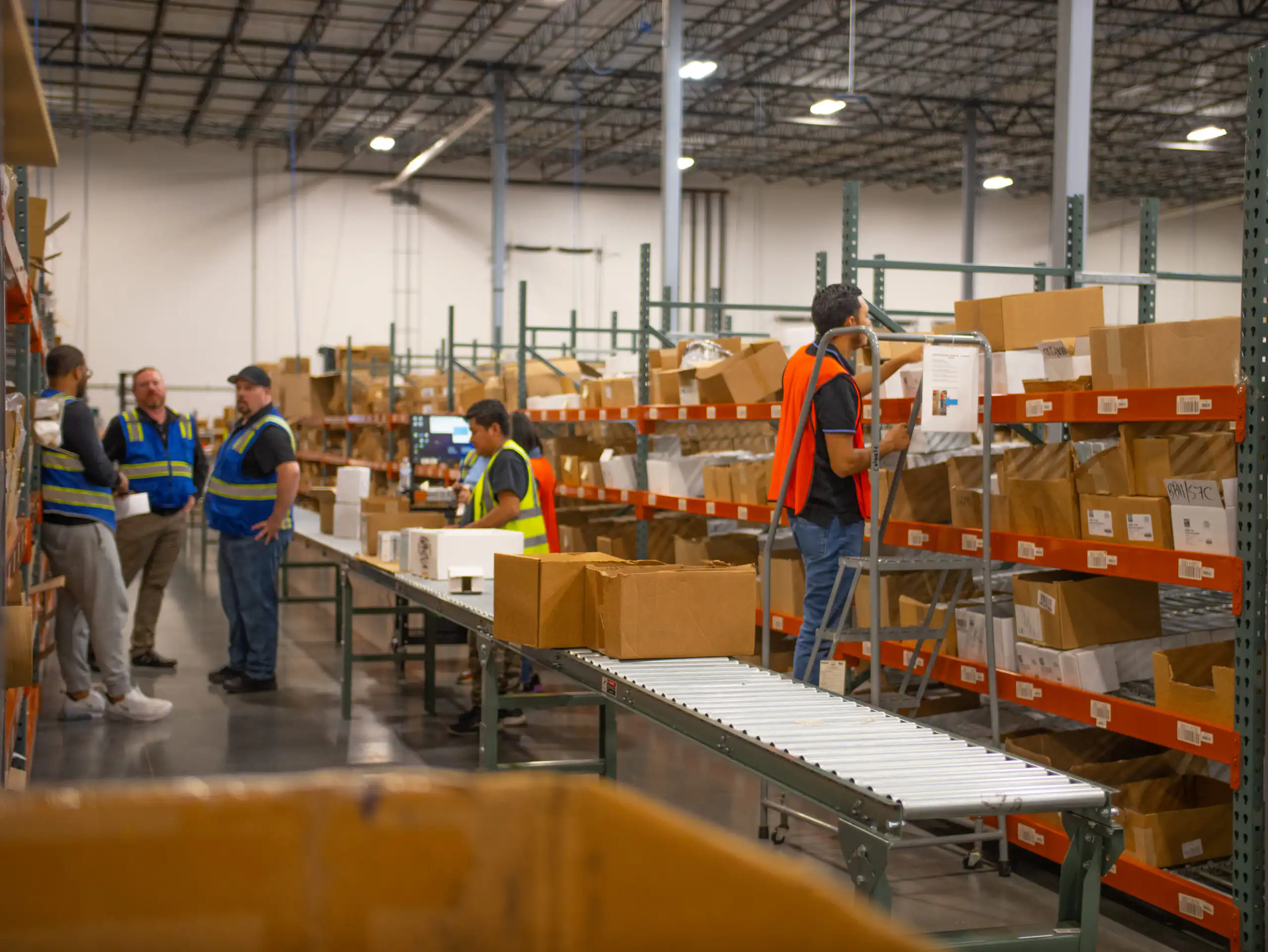
This is the cost of a reactive fulfillment model. Scheduling shifts around short-term changes instead of preparing for the patterns that drive them. Labor fills the gaps after the pressure builds instead of before it. The result is uneven coverage, overtime costs, and hours lost to downtime between tasks.
A flexible fulfillment strategy prevents that cycle because it’s built on the front end—before growth creates pressure. It’s developed while operations are still predictable, then refined as demand evolves. Cross-training begins early, when teams can learn multiple roles without disrupting output. Slotting strategies are reviewed as new products enter the mix, keeping high-demand items close to the line. Forecasting becomes part of the weekly rhythm, guiding labor and space decisions before bottlenecks form.
The same forward planning applies to value-added services such as kitting, light assembly, and customization. When these services are mapped ahead of demand—with clear process ownership, materials staging, and trained labor in place—they enhance efficiency instead of competing for it. Planning these workflows in advance prevents last-minute labor pulls, protects throughput, and ensures that added services support growth rather than stall it.
For growing brands, this proactive foundation makes scaling sustainable. Labor stays aligned with volume, efficiency grows with demand, and margin strength becomes a byproduct of good planning rather than constant recovery.
Hidden Fulfillment Costs #2: Overhandling & Redundancies
As order volume grows, so does complexity. What once felt like a smooth process starts to stretch under new demands. A product launch brings custom packaging. A retail partner needs specific labeling. Marketing adds an insert or seasonal promotion. Each change seems small, but together they add time, touches, and labor that quietly drain efficiency.
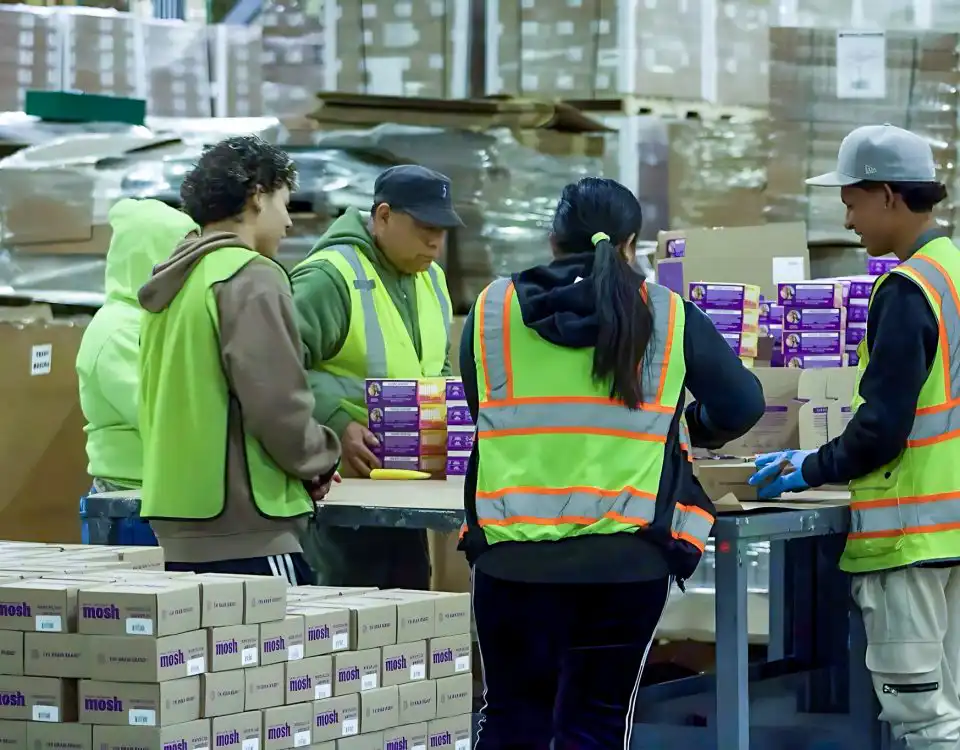
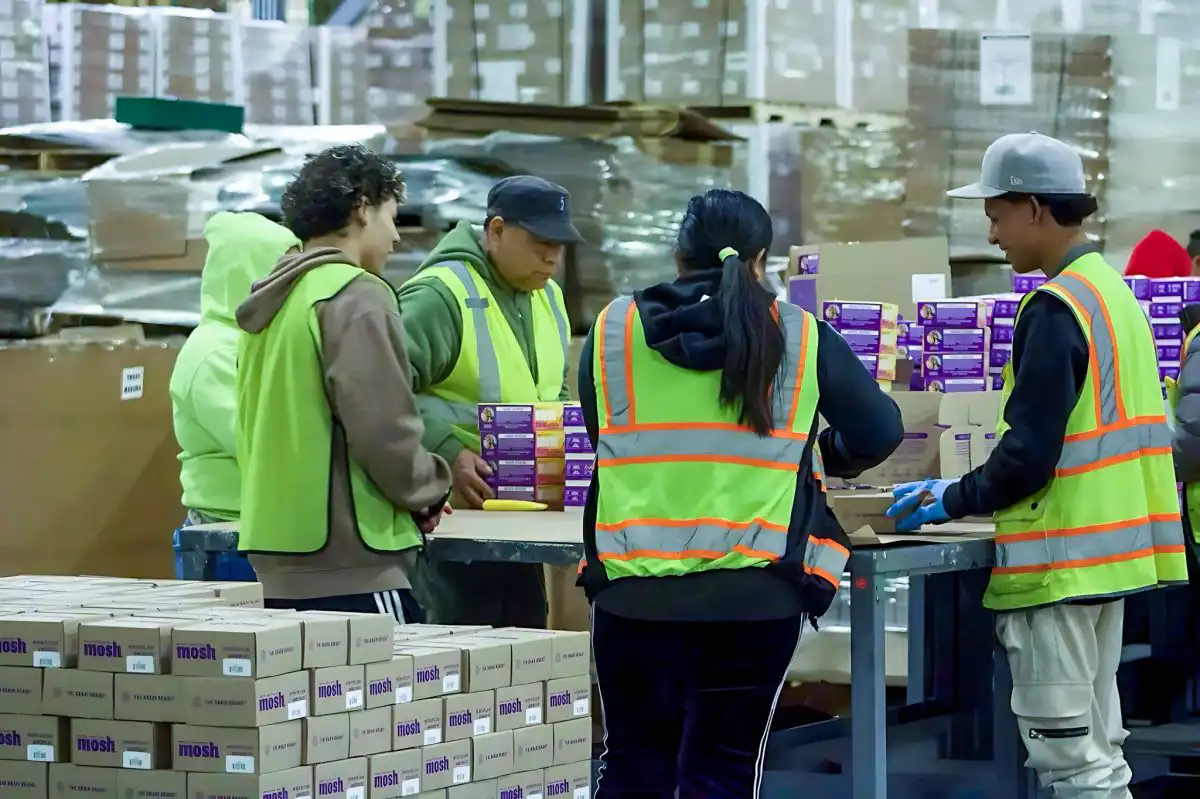
Each extra touchpoint carries a cost. Cartons are reopened to confirm counts. Labels are replaced after quality checks. Products travel farther through the facility than they should. The time and motion seem minimal in isolation, but together they consume hours of labor that add no value for you or your customer.
These inefficiencies don’t appear all at once. They build as product lines expand and service expectations rise faster than processes evolve. By the time slower turn times or higher labor invoices show up, the extra handling has already become part of how work gets done.
A proactive fulfillment strategy prevents this by designing for change before it happens. When product lines expand or packaging requirements evolve, standard operating procedures are reviewed before new orders flow through. The best operations look for ways to consolidate steps without losing quality, such as scanning for accuracy during packing instead of creating a separate audit.
Value-added services like kitting and assembly benefit from this same foresight. When they’re integrated into order flow from the start, they reduce handling rather than increase it. Planning the layout, materials staging, and staffing before the work begins keeps each unit moving efficiently, even as order complexity grows.
For mid-market brands, this mindset shift is essential. The most efficient brands work with fulfillment partners who plan for scalability early. They review processes regularly, simplify steps that have drifted off course, and build new capabilities while order flow is still manageable. That approach keeps fulfillment steady as growth accelerates and prevents small operational shifts from turning into larger cost problems.
Hidden Fulfillment Costs #3: Inventory Misalignment & Storage Inefficiency
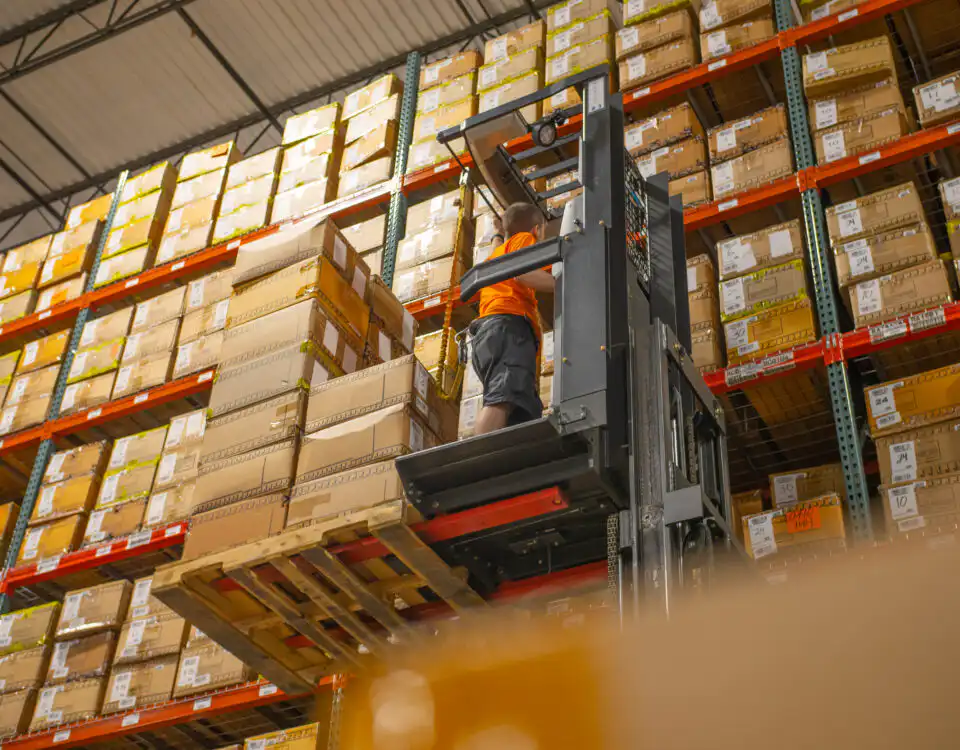
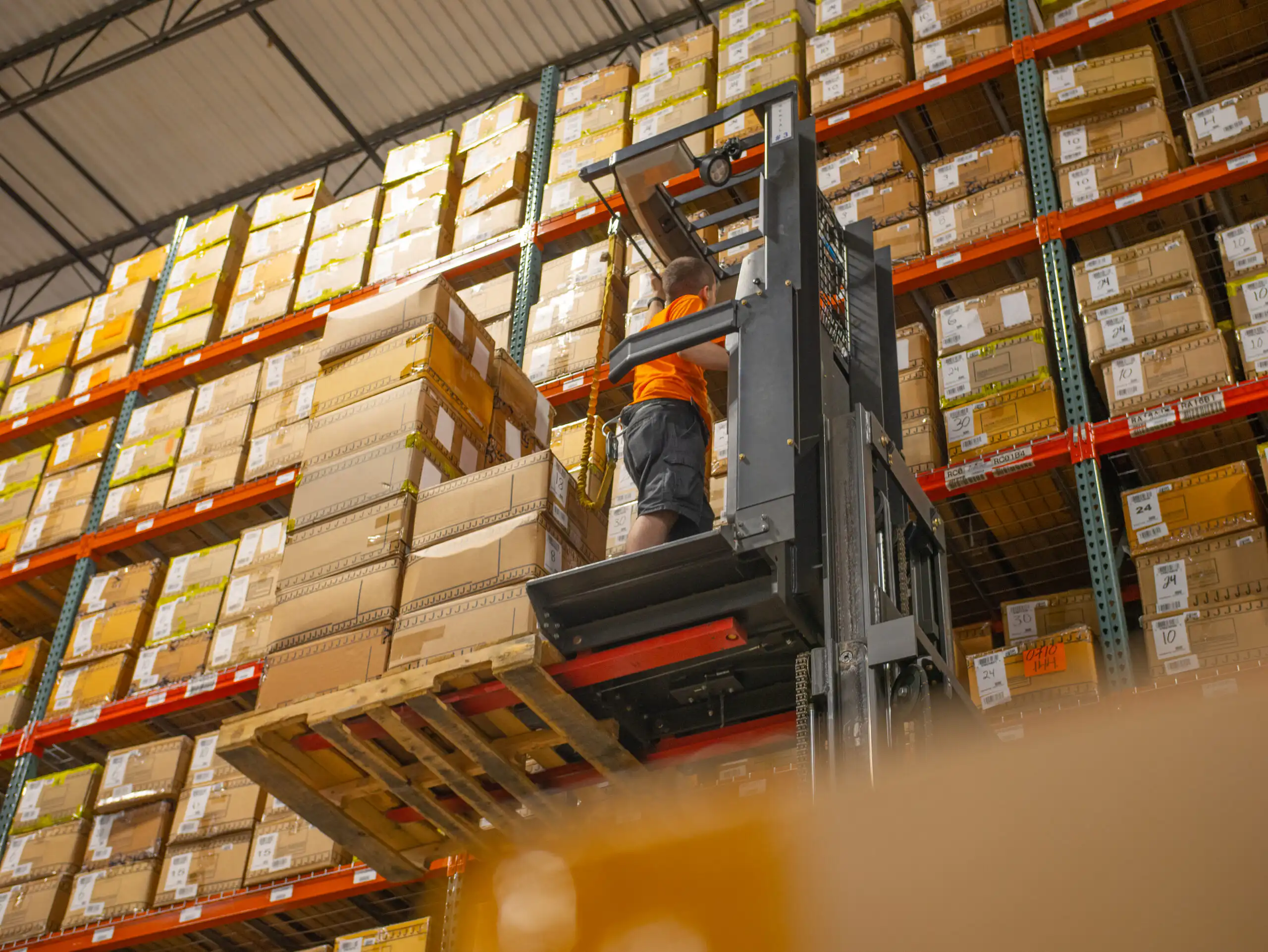
Inventory doesn’t have to be inaccurate to be inefficient. You can know what’s in stock and still lose time and valuable warehouse space to poor planning. As product lines grow and order patterns shift, the layout that once worked begins to slow everything down. Low-volume items end up closest to the line, while fast movers are stored too far away. Teams walk longer paths. Orders take longer to fill. As inventory grows, movement slows and efficiency drops across the floor.
These costs build quietly. A few misplaced pallets or underused racks don’t seem critical until new inventory arrives and there’s no room to receive it. What starts as a layout issue soon becomes a throughput issue, with more travel, more touches, and more labor per order.
A scalable fulfillment strategy addresses these challenges early. Slotting is reviewed when order mix or SKU velocity changes, not after congestion begins. High-demand products are stored closer to pack stations to shorten travel paths, while slower-moving inventory is rotated out or relocated. Seasonal stock is cleared before new arrivals land. These small, consistent adjustments protect space and keep daily work moving efficiently.
Visibility matters just as much as layout. Real-time data helps identify when inventory is aging or positioned incorrectly. When slow-moving items are flagged early, they can be repositioned, bundled, or discounted to free up space for higher-margin products. That awareness keeps the operation focused on what’s profitable, not just what’s available.
For mid-market brands, these habits create stability during growth. Space stays organized, labor stays productive, and working capital isn’t tied up in inventory that’s no longer moving. When operations stay visible and storage remains intentional, growth becomes easier to manage and margins stay protected.
Keeping Fulfillment Aligned with Growth
Growth changes how work happens. Each new product, channel, or customer adds volume and complexity that can strain a system built for smaller demands. The shifts are gradual at first—longer walk paths, slower turns, rising labor costs. Margins tighten quietly as operations push to keep up.
Strong operations plan ahead of that curve. Teams look at labor, layout, and process before volume builds. Small reviews each quarter keep systems aligned with what the business needs today, not what it needed last year. When adjustments happen early, efficiency stays consistent even as order flow increases.
That kind of rhythm gives growing brands room to move. Teams focus on meeting demand instead of recovering from it. Space, labor, and process work in sync, and growth feels manageable again.
If your fulfillment plan hasn’t been reviewed recently, it’s the right time to look ahead. As part of the DHL network, IDS Fulfillment helps growing brands assess labor, layout, and process to find opportunities for control before growth adds pressure.

At IDS Fulfillment, we deliver accurate, scalable fulfillment solutions that help mid-sized ecommerce and multi-channel brands succeed across the U.S. From omnichannel order fulfillment to returns processing, our experienced team combines flexible logistics systems with real-time visibility to protect your customer experience and support growth. Backed by decades of operational expertise and powered by DHL Supply Chain’s infrastructure, IDS helps businesses scale with confidence, control costs, and meet delivery expectations every time.