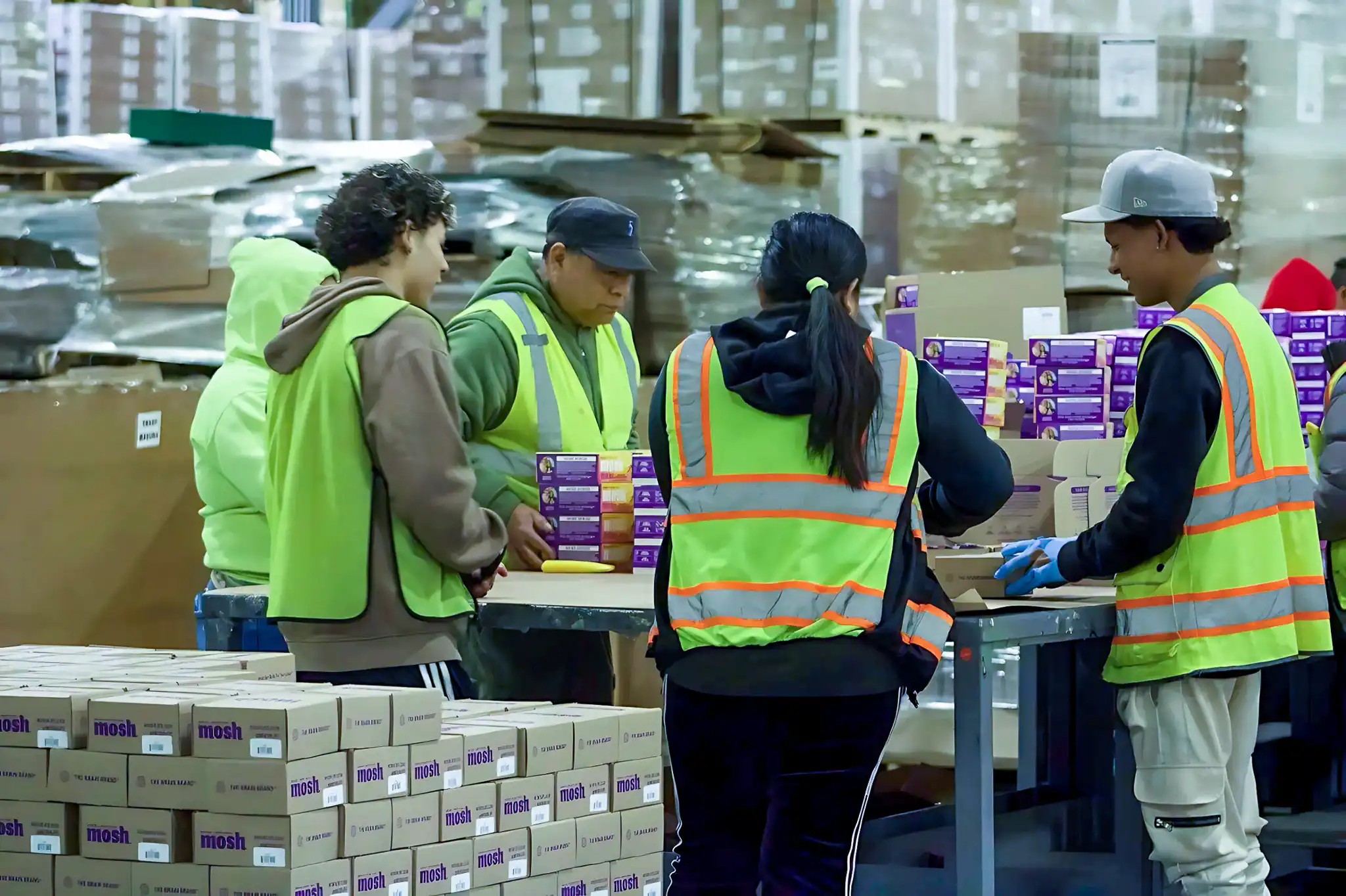




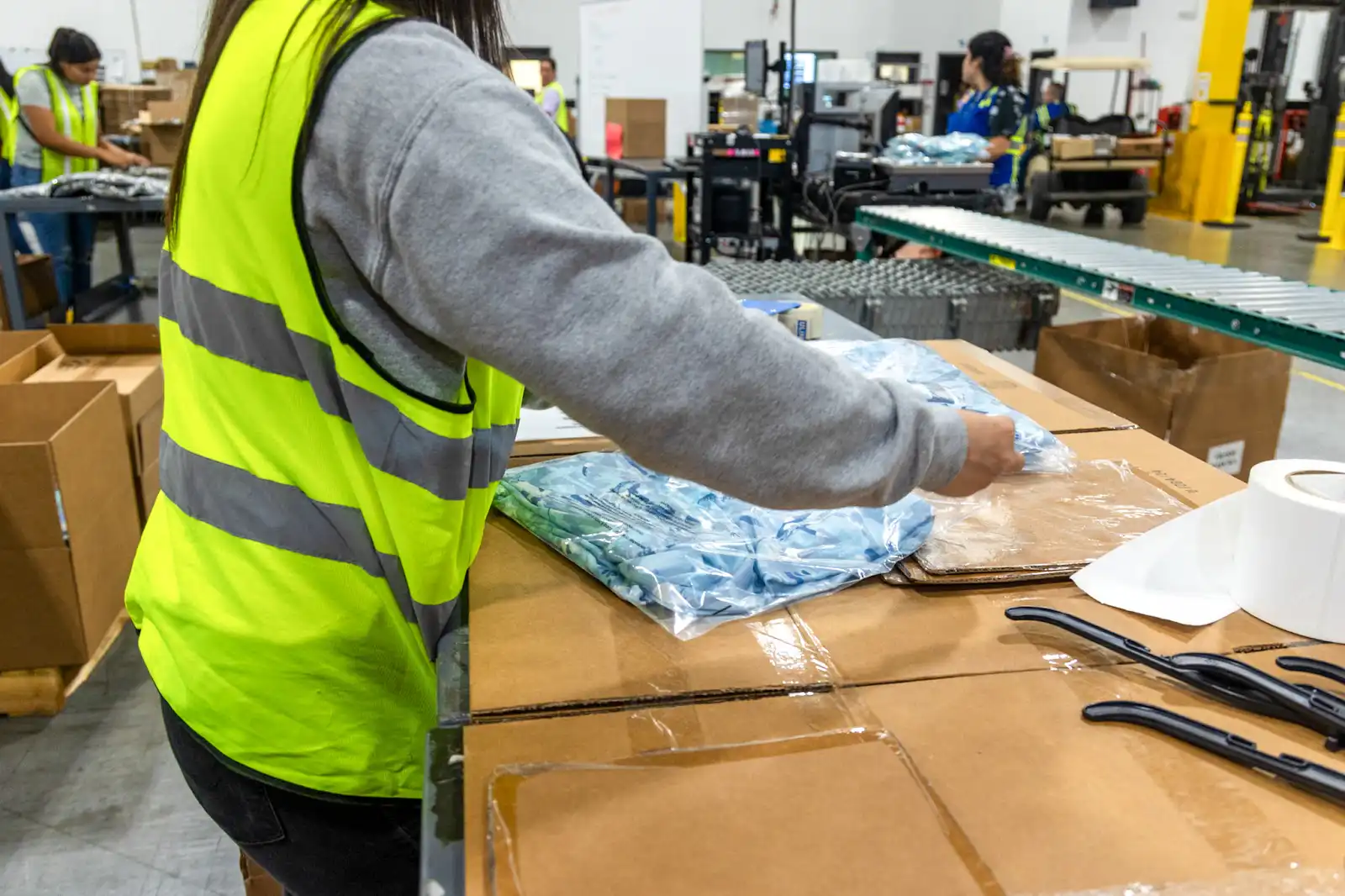
During peak season, most fulfillment systems are prepared for higher order volume, but not for how differently that work starts to move once it hits the floor.
For apparel brands, size runs, color variants, and high SKU counts all begin turning faster at the same time during peak season—while promotions shift which products and orders are prioritized throughout the day. For traditionally built fulfillment systems, what normally moves through in a predictable pattern becomes harder to sequence and release consistently, even when total volume is within expectations.
Traditional fulfillment setups depend on consistency to maintain speed and control costs. When demand starts changing how work needs to move, the system no longer keeps orders flowing on its own. This is where many brands begin experiencing apparel order fulfillment delays, as pick paths fall out of sync, inventory requires more manual confirmation before orders can be released, and shipments begin pushing closer to cutoff times.
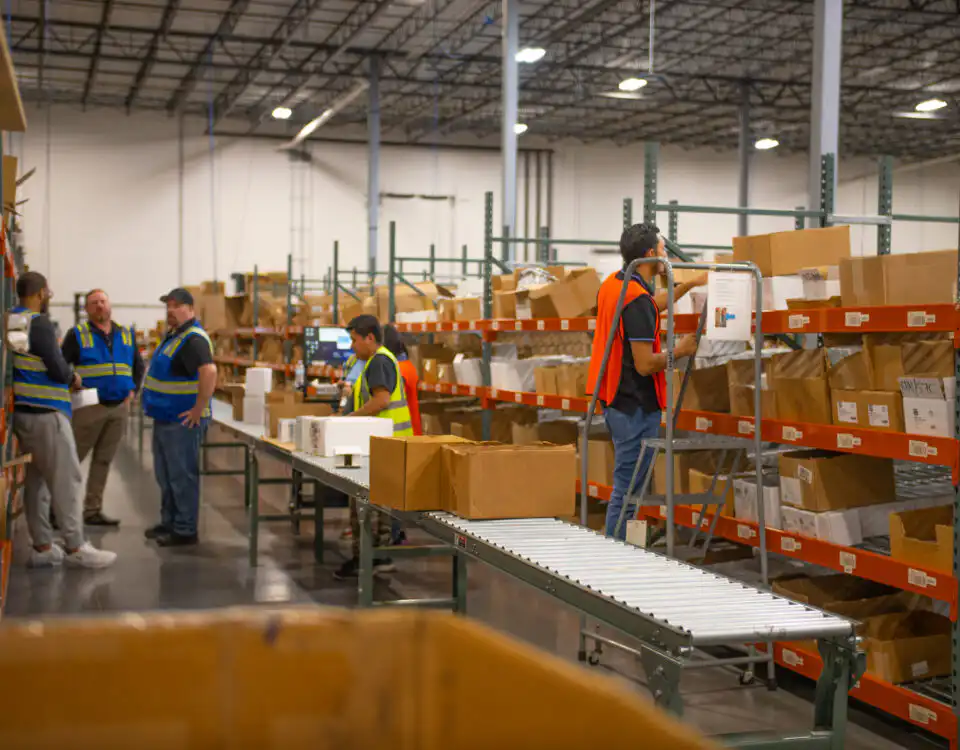
From the outside, the fulfillment operation still looks like it is keeping up. Inside, more effort is required to maintain that same output, which begins to show up as labor increases and tighter parcel decisions as shipments push closer to cutoff times. Over time, that added effort is where apparel order processing slows down as peak demand continues.
Why peak season exposes how apparel order processing is structured.
As volume holds and order mix continues to shift, the operation starts adjusting in ways that are easy to miss at first.
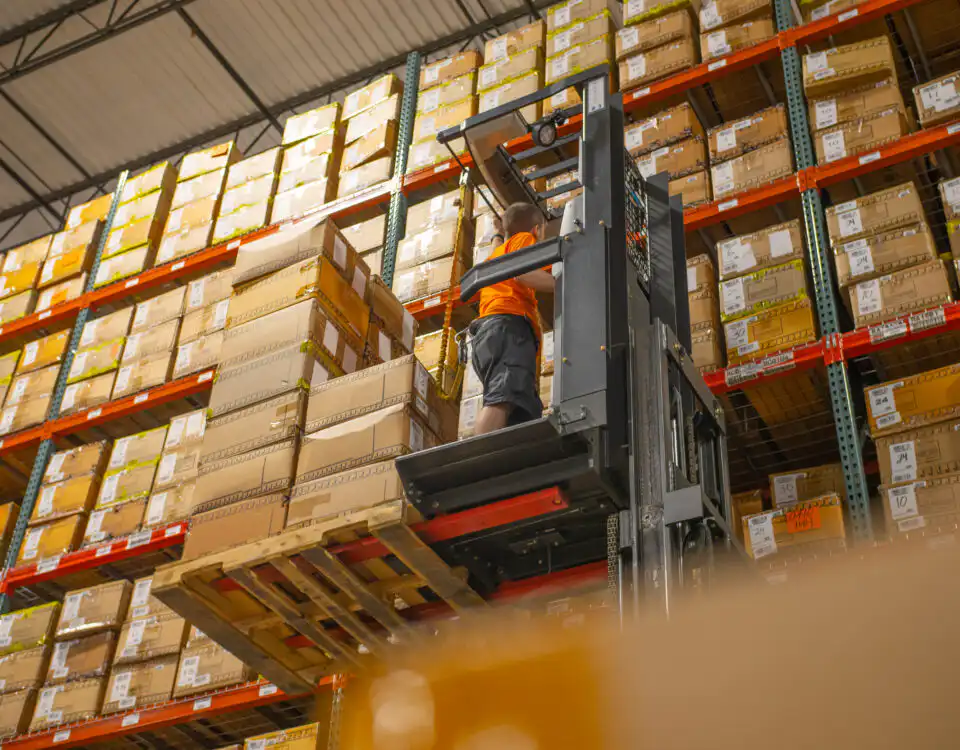
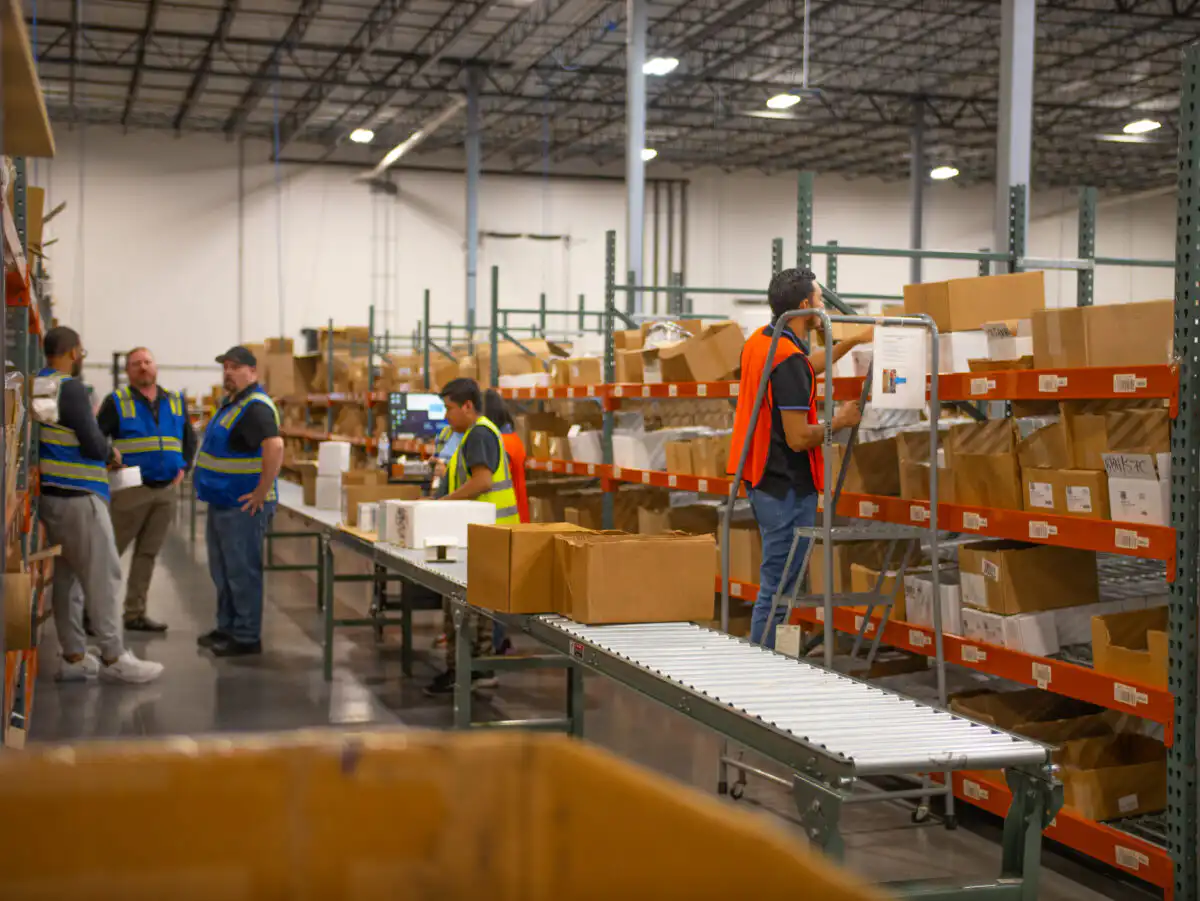
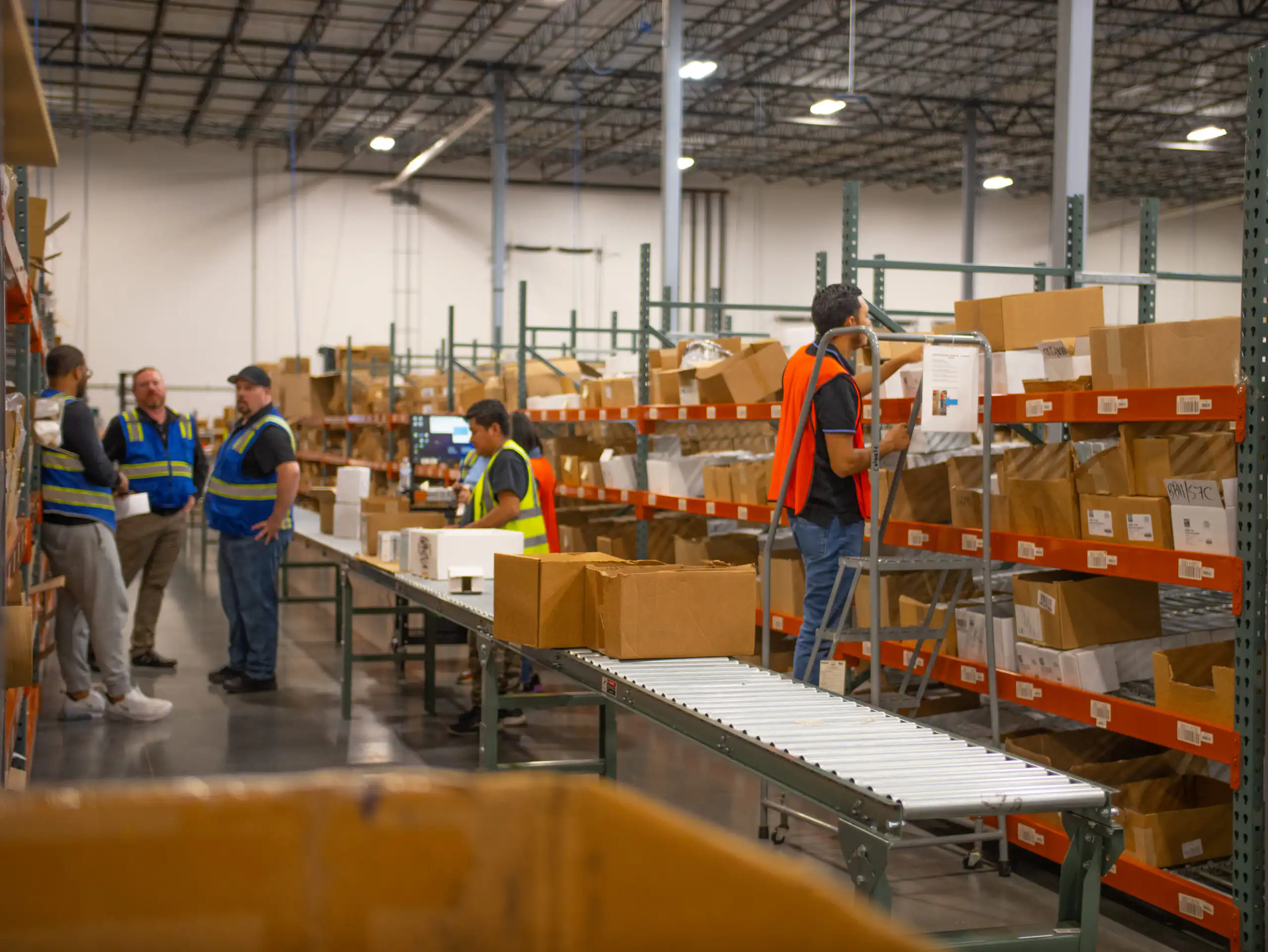
Pick paths change throughout the day as faster-moving sizes and colors rotate through different locations. Work that would normally move in sequence begins getting released in smaller groups so teams can keep up with shifting demand. Inventory checks happen more often before orders are pushed forward, especially when the same SKUs are turning faster than expected.
None of this stops output. It changes how much effort is required to maintain it, which increases unexpected costs. This is because teams stay active in the same zones longer than expected, which changes how far they need to move and how often paths need to be adjusted throughout the day. As orders work their way toward packing later in the cycle, the window to get shipments out begins to narrow, and carrier decisions start getting made with less flexibility than they were earlier.
Why apparel fulfillment costs rise before peak slows anything down.
Most growing brands notice it in their numbers before they understand what’s actually causing the unexpected costs.
It starts with small shifts that are easy to overlook. Labor and shipping costs begin increasing even though order volume has not changed much, and cost per order becomes harder to explain. At the same time, orders take longer to move from placement to shipment, even though nothing appears broken on the surface.
As the spike in demand continues, more orders begin shipping later in the day, which reduces carrier options and leads to higher-cost shipping decisions to keep delivery timelines intact. Over time, those increases begin to diminish margins without being immediately noticed.
What changes when apparel order processing is built for peak demand.
Peak demand changes how work moves through the operation, and the systems that handle it well are structured to adjust as that movement shifts throughout the day.
Inventory, pick paths, and order release are able to adapt as size runs, color variants, and order priorities change, which keeps work flowing without requiring constant intervention to stay on track. Orders move through earlier in the cycle, giving more flexibility when it comes to shipping decisions and reducing the need to rely on higher-cost options to meet delivery timelines.
Because the system supports how demand behaves during peak, labor stays closer to expected levels and cost per order remains more consistent. As volume and order mix continue to shift, the operation maintains its pace without the same buildup of effort, allowing margins to hold as demand increases.
If you are evaluating whether your apparel order processing challenges are tied to process or to how your fulfillment system is structured, we can walk through the challenges with you and identify where scalability is breaking down and what is driving it.
At IDS Fulfillment, we deliver accurate, scalable fulfillment solutions that help mid-sized ecommerce and multi-channel brands succeed across the U.S. From omnichannel order fulfillment to returns processing, our experienced team combines flexible logistics systems with real-time visibility to protect your customer experience and support growth. Backed by decades of operational expertise and powered by DHL Supply Chain’s infrastructure, IDS helps businesses scale with confidence, control costs, and meet delivery expectations every time.