



Even when everything looks successful on the demand side, fulfillment systems can begin to feel harder to manage once orders start moving.
This is where beauty product launch fulfillment starts to break down for many brands, even when demand looks strong.
With successful product launches, orders do not build gradually. They release all at once, then continue in bursts tied to promotions, emails, and social traffic. For most fulfillment operations, the volume itself is not the issue. It is how tightly that demand is concentrated into a short window, which changes how the orders move and where challenges begin to show up.
Early on, this often looks like a strong launch because orders are moving, timelines are being met, and fulfillment appears to be holding pace. In some operations, that pace continues without much change. In others, small shifts begin to show up, where orders take longer to move out the door and labor hours increase as more attention is required to move orders through each step to keep shipments on track. Those shifts are often where delays and added costs begin to show up.
Why beauty product launches change how fulfillment behaves.
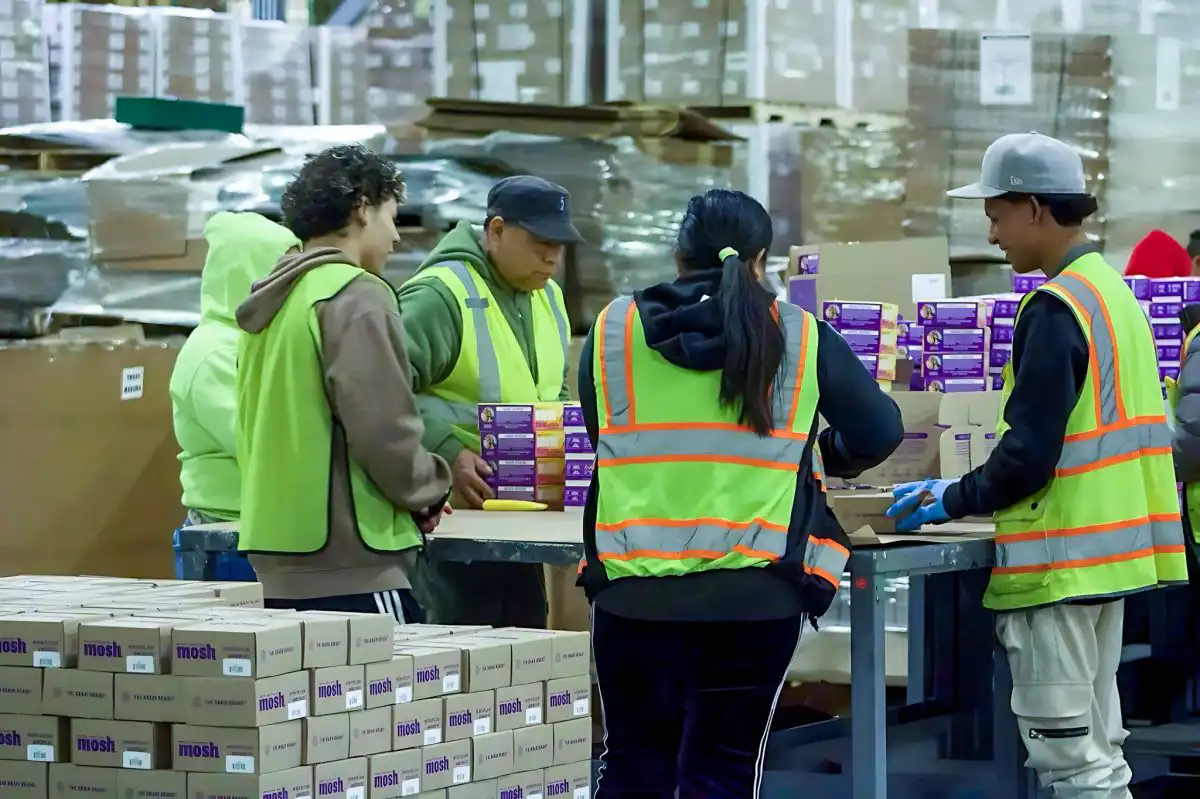
During a product launch, demand doesn’t move through the operation in a consistent pattern. New SKUs are introduced at the same time existing products are still moving, and promotional bundles and kits begin pulling from both. Orders tend to cluster around campaigns and promotions, with spikes in volume followed by slower periods. The mix of products within those orders can shift throughout the day as different offers gain traction. This is a common pattern in beauty product launch logistics, where demand concentration changes how work needs to move through fulfillment.
Traditional fulfillment operations are built around consistency. Inventory is slotted based on known demand, picking paths stay stable, and orders move through a defined sequence that does not need to change often. That structure works when demand follows predictable patterns.
A product launch introduces a different set of conditions. New products have limited history, existing inventory is being pulled in new combinations, and the operation has to adjust more frequently to keep work aligned as demand shifts. When the system is not structured to absorb that variability, those adjustments move onto the floor.
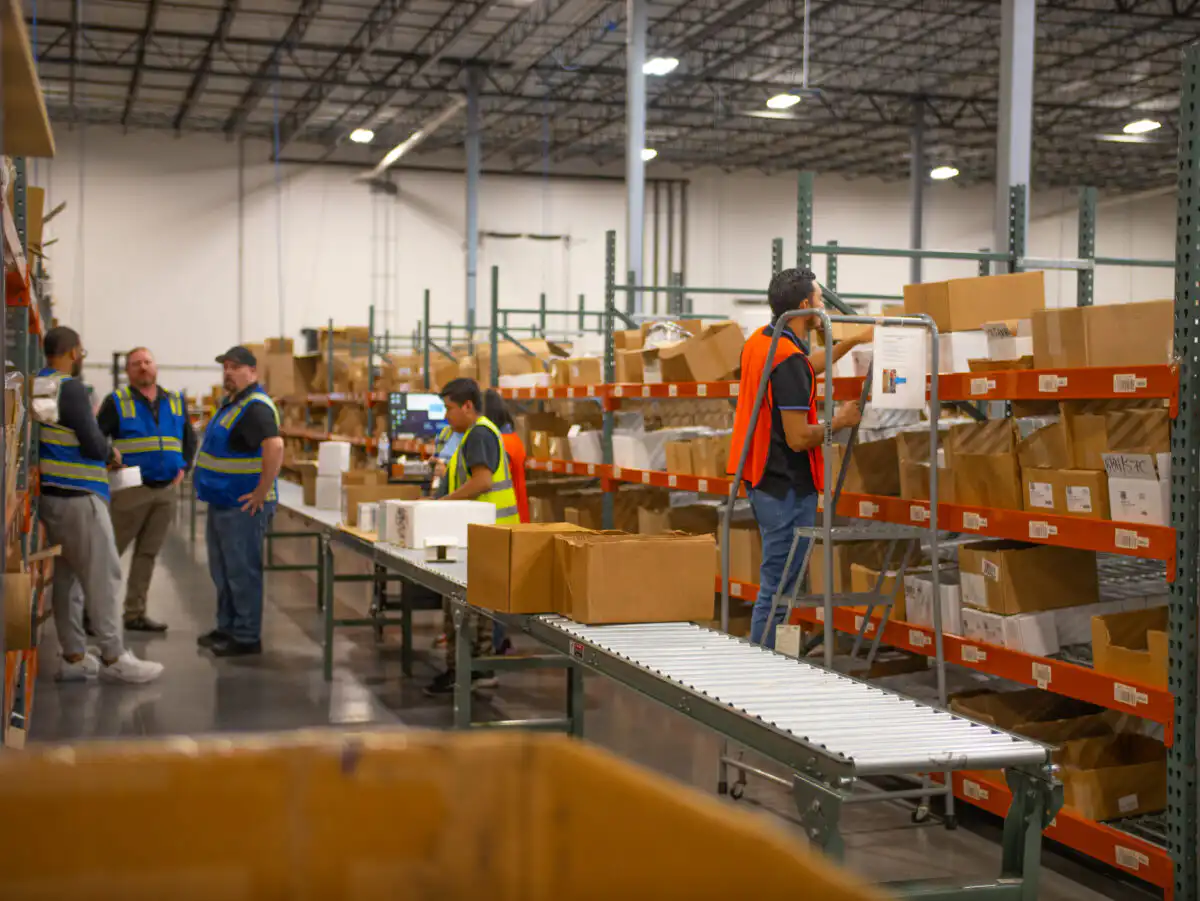
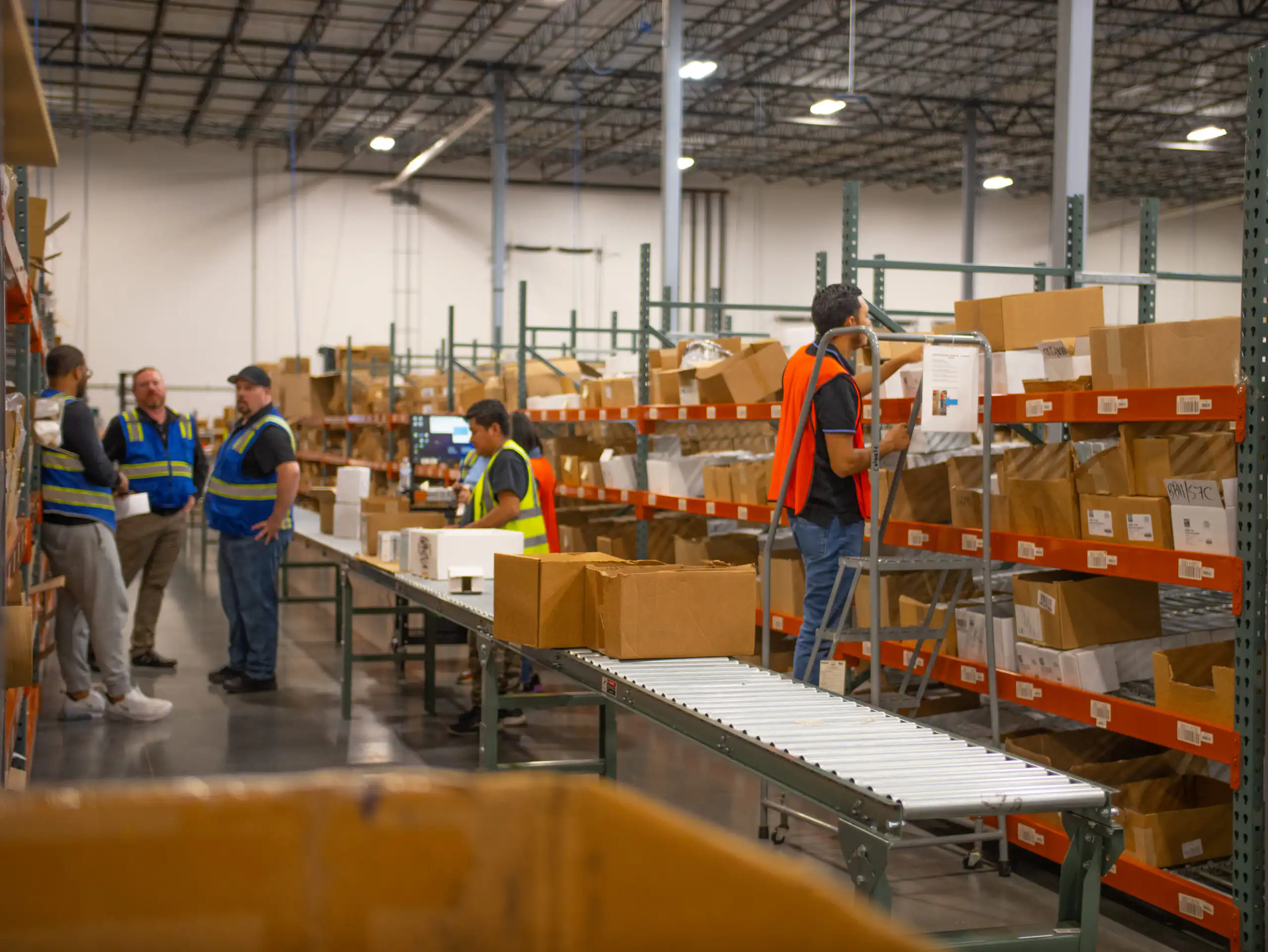
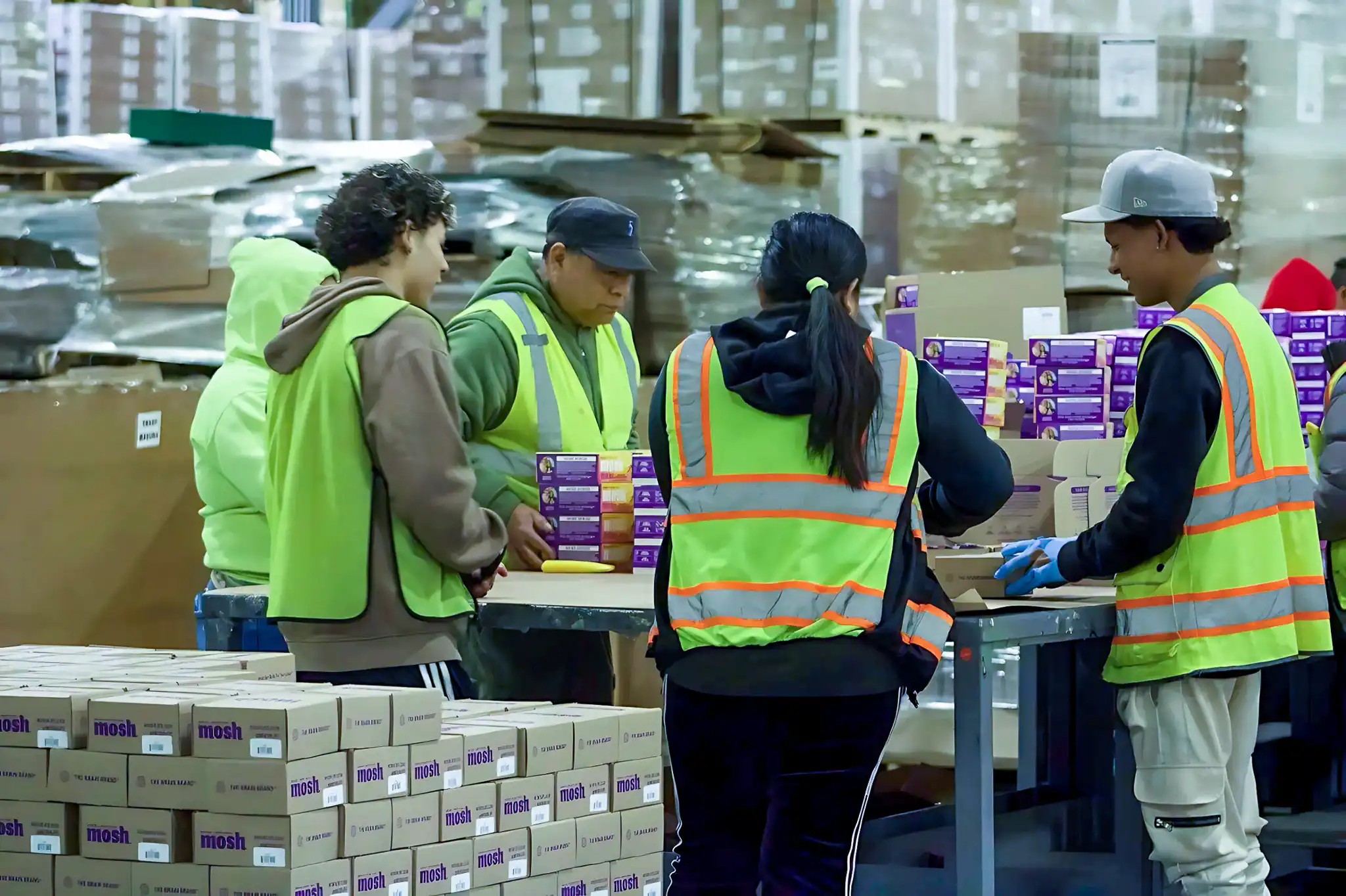
That is when work stops moving cleanly through the process, and teams begin pausing between steps to confirm inventory, reposition components, and adjust how orders are handled so the next step can move without error. Those pauses are small, but they repeat across every order, which is where fulfillment begins to feel harder to manage and labor starts to increase.
What looks like a cosmetic or beauty product launch fulfillment issue on the surface is often a reflection of how the fulfillment operation is structured to handle variability.
What this reveals about how the fulfillment system is built.
What most brands experience is not a short-term issue tied to the launch, but how the fulfillment system responds when demand no longer follows a steady pattern.
When output starts requiring more effort to maintain, it points to how much of the work depends on consistency in order flow, inventory position, and execution. As those conditions begin to shift during a launch, the system no longer carries the same level of control over how orders move through the operation.
That is why the impact shows up in both timing and cost. The operation is still capable of processing orders, but it relies more on coordination and intervention to do it, which makes performance harder to sustain as demand continues to move.
What looks like a beauty product launch fulfillment issue on the surface is often a reflection of how the fulfillment operation is structured to handle variability.
What changes when fulfillment is built to support product launches.
In operations structured for product launches, the work does not need to be re-managed as demand shifts, which protects both labor and parcel costs as volume moves through the system.
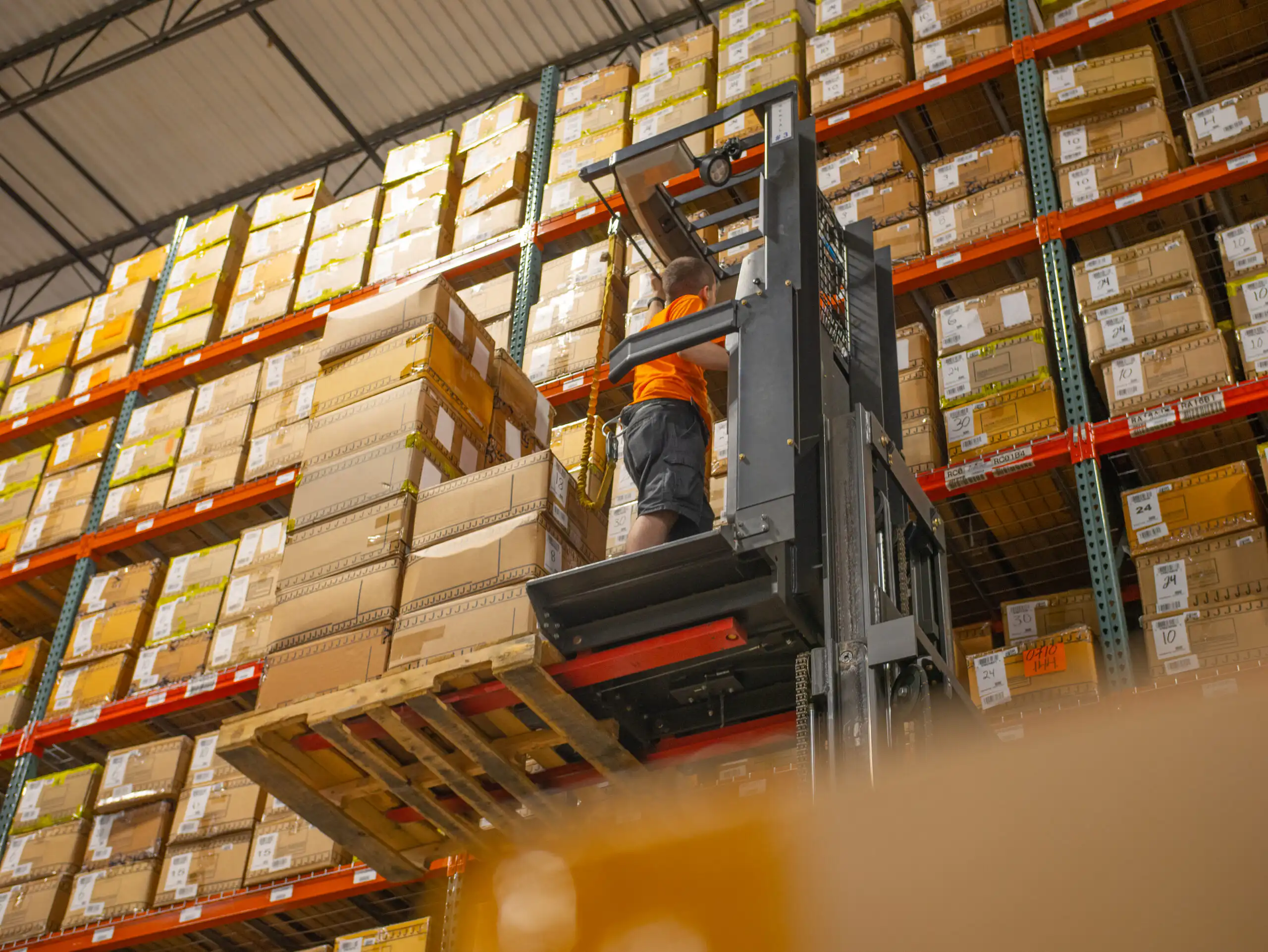
Inventory is positioned with launch variability in mind, so new SKUs, existing products, and bundled components can be accessed without repeated verification or repositioning. Order flow remains consistent even as demand shifts, which allows orders to move without added handling or delay.
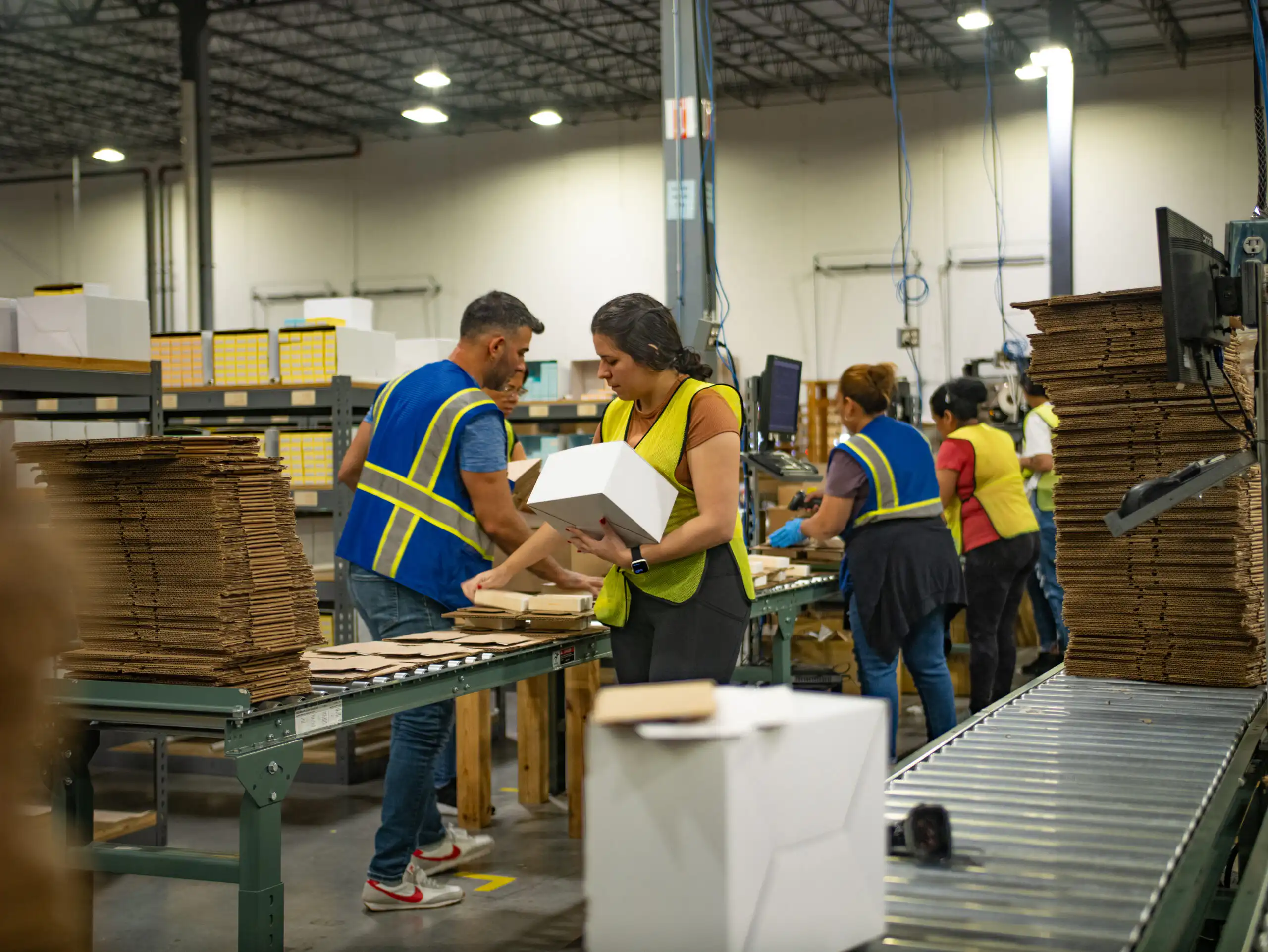
That consistency carries through execution. Orders move through a defined sequence, teams do not need to stop between steps to realign work, and output stays stable without requiring additional labor to maintain pace. At the same time, orders leave within expected windows, which reduces the need for upgraded shipping to recover missed cutoffs.
From the outside, it still looks like a smooth launch. What changes is how efficiently that performance is maintained, and how well the operation protects margin as demand continues to move.
If you are trying to determine whether these issues are tied to process or to how your fulfillment system is structured, we can walk through the challenges with you and identify where scalability is breaking down and what is driving it.
At IDS Fulfillment, we deliver accurate, scalable fulfillment solutions that help mid-sized ecommerce and multi-channel brands succeed across the U.S. From omnichannel order fulfillment to returns processing, our experienced team combines flexible logistics systems with real-time visibility to protect your customer experience and support growth. Backed by decades of operational expertise and powered by DHL Supply Chain’s infrastructure, IDS helps businesses scale with confidence, control costs, and meet delivery expectations every time.