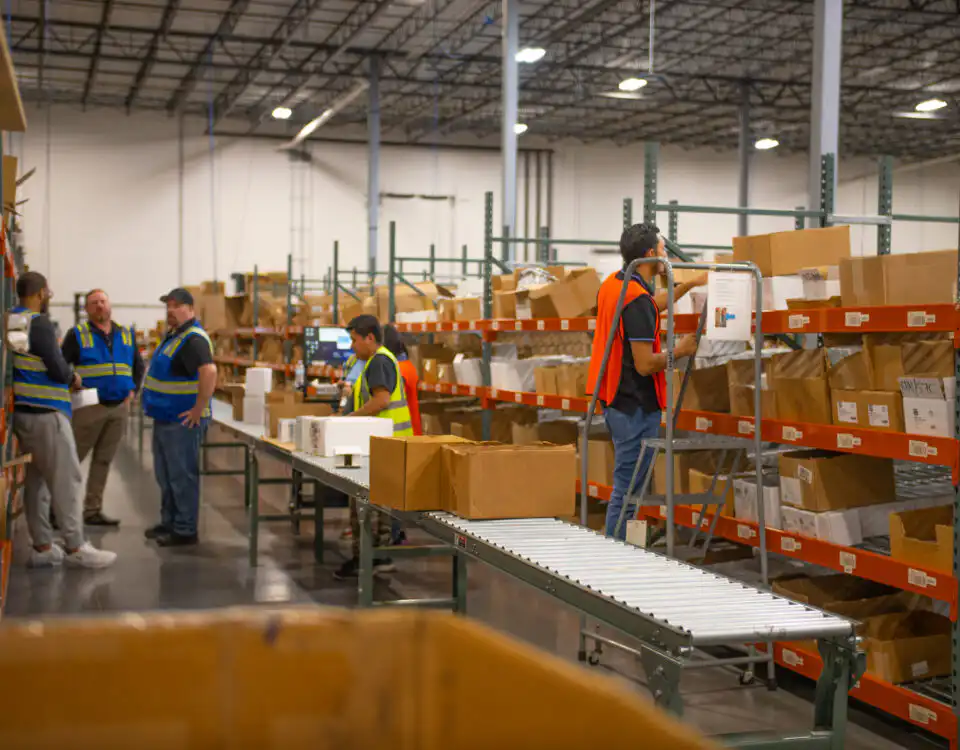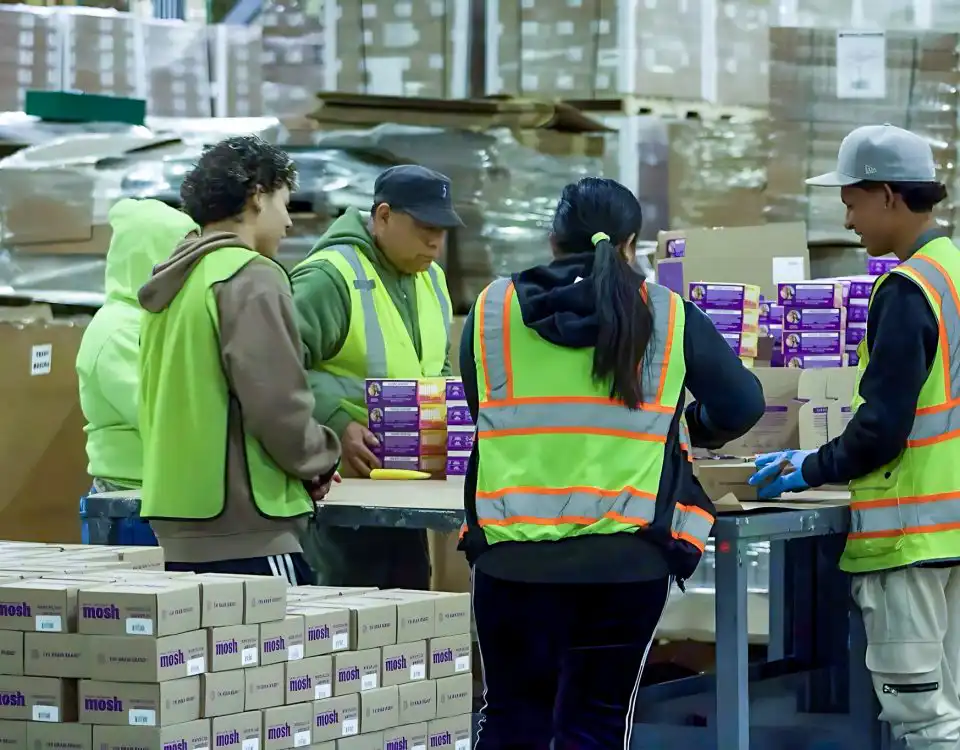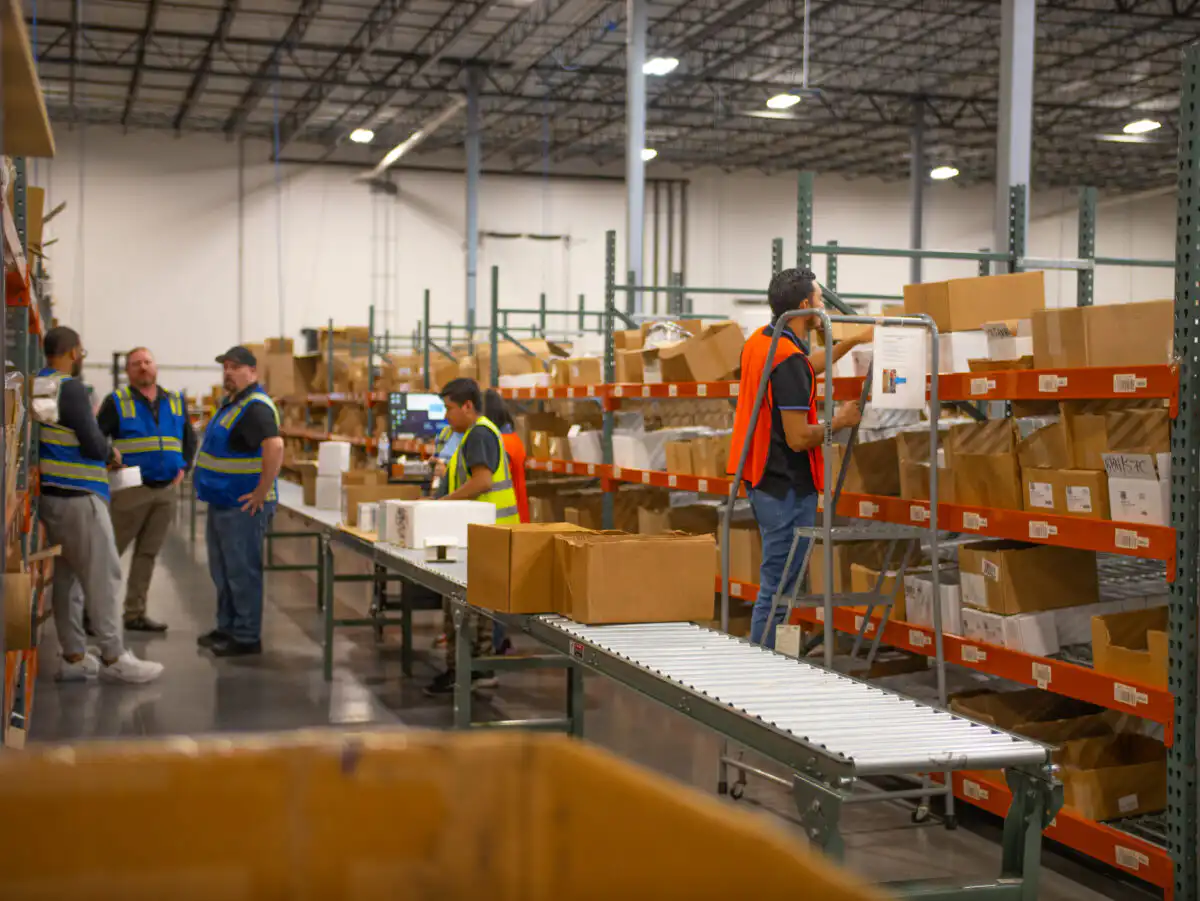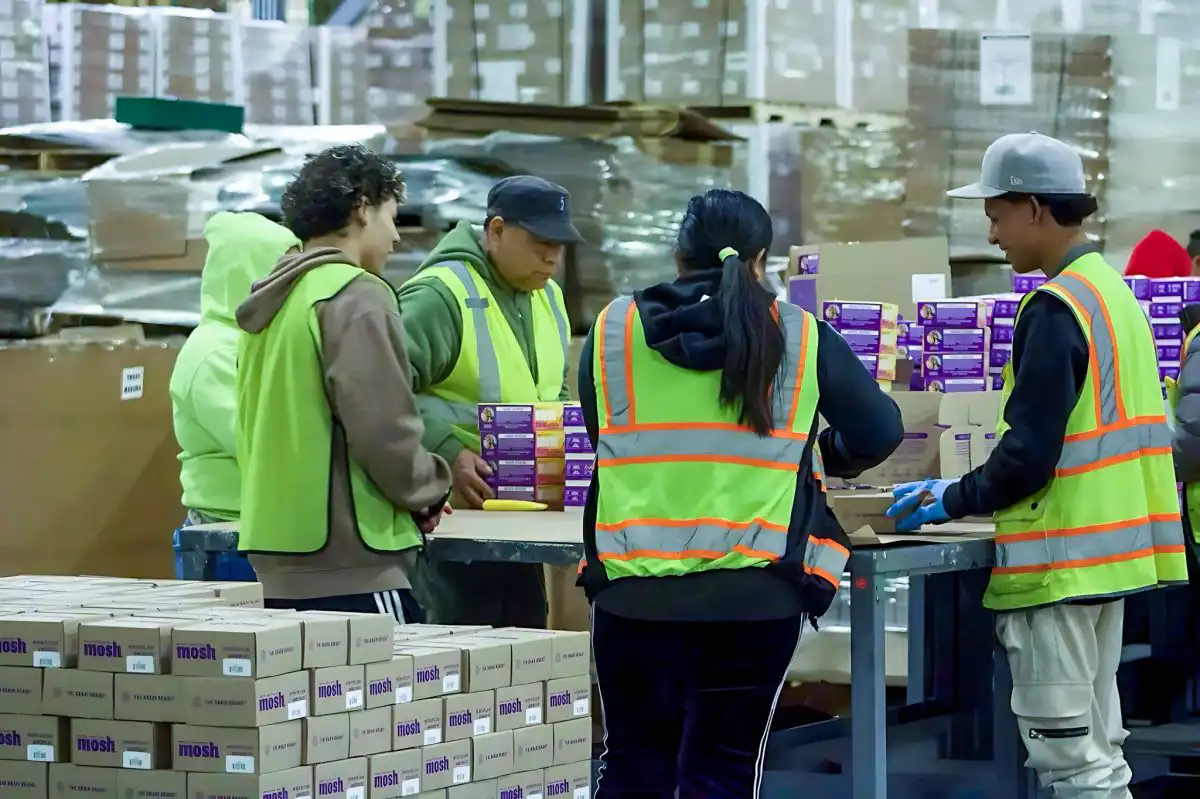

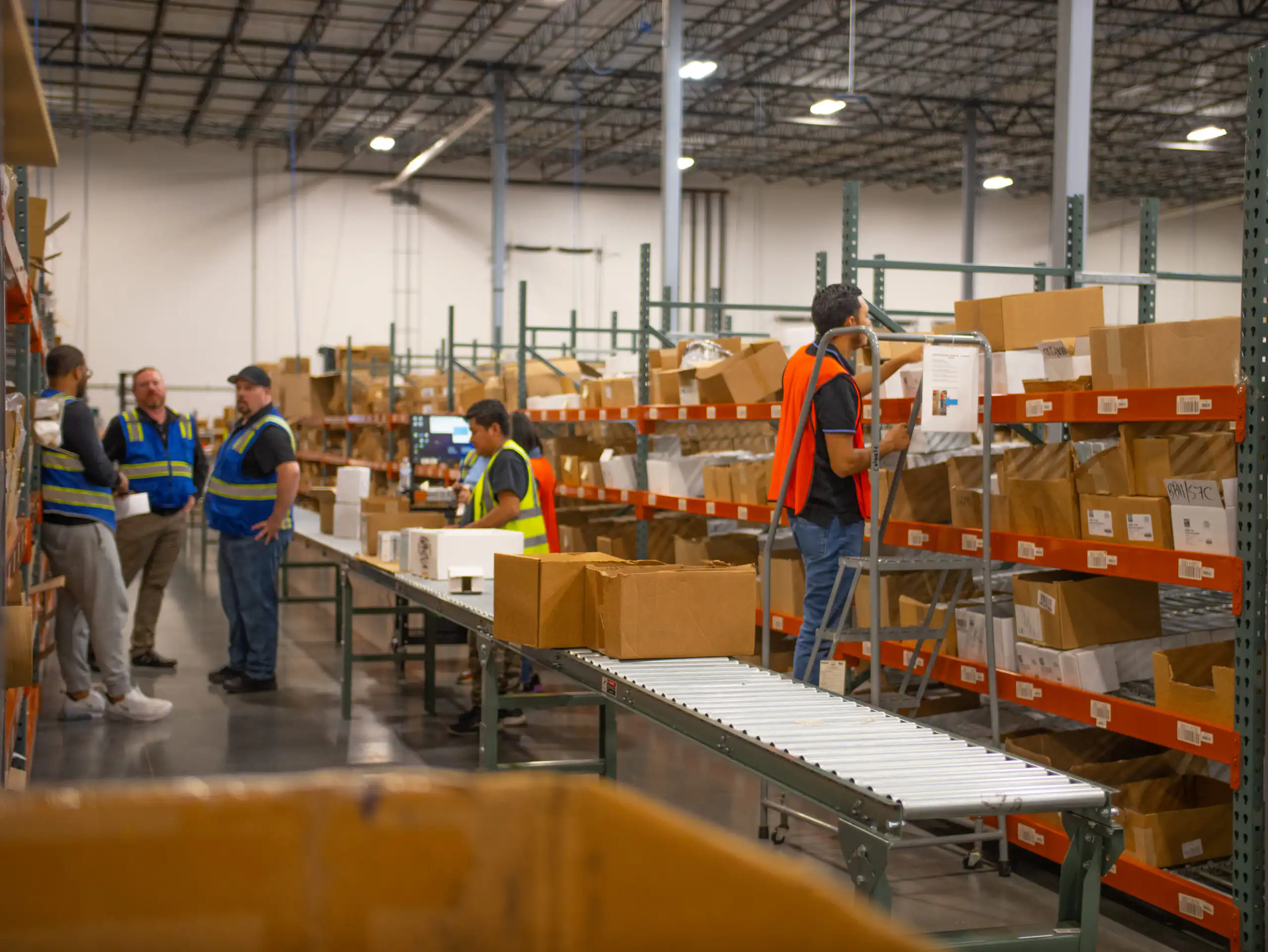
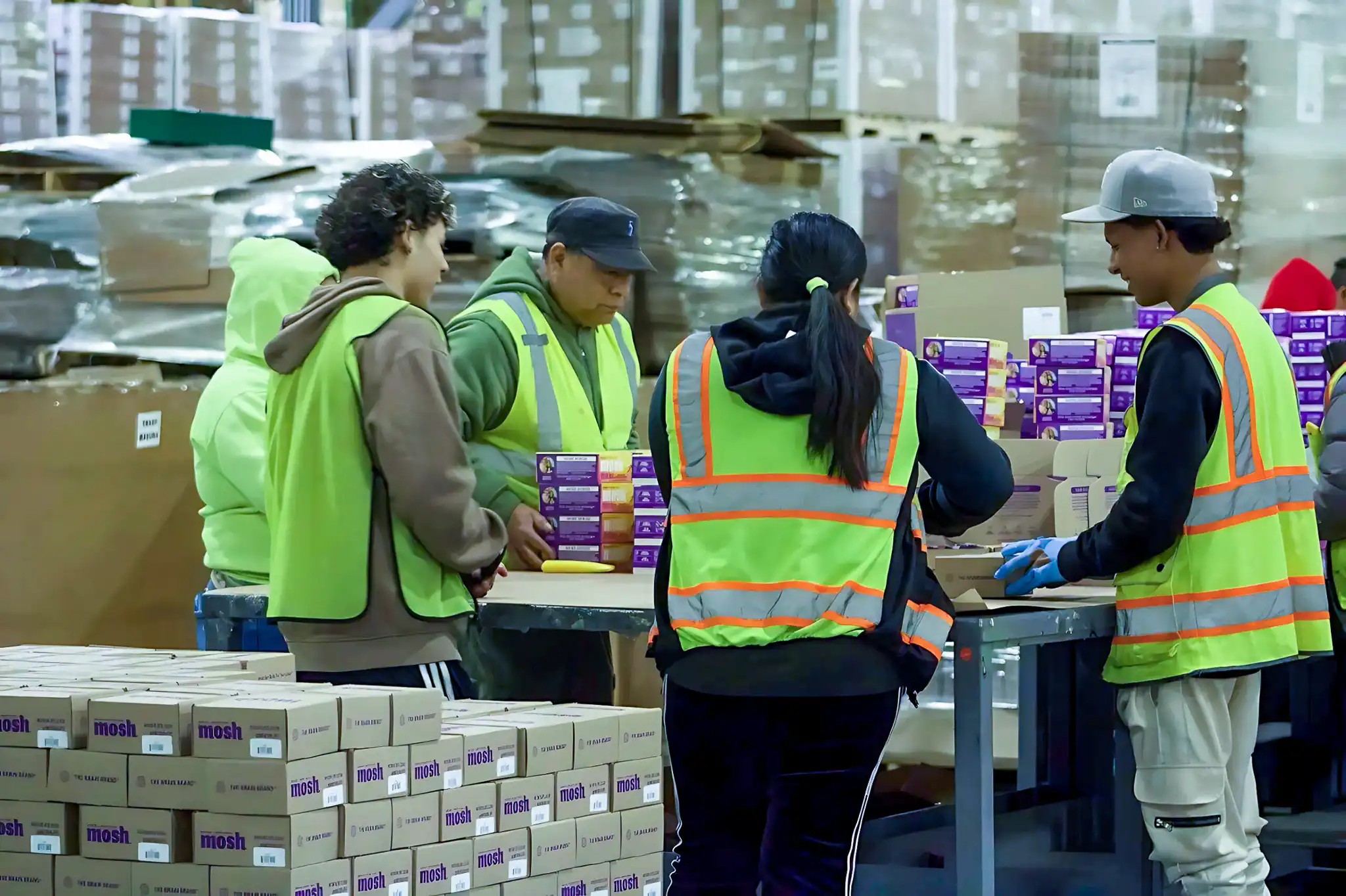





Expiration date tracking begins to break down when expiration data no longer consistently drives which product is picked and shipped.
In steady conditions, rotation follows expected patterns and product moves in sequence based on shelf life. As movement becomes less predictable across locations and order cycles, that sequence becomes harder to maintain. The same SKU may be stored across multiple locations with different expiration windows, and selection decisions begin to depend more on what is accessible in the moment than what should ship first.
In fulfillment environments that are not structured to enforce expiration-based selection at that level, those patterns begin to surface more frequently. Picks are completed out of sequence, rotation is corrected during execution instead of being directed by the system, and more time is spent checking expiration dates to ensure product can be used.
As that continues, expiration tracking becomes less consistent in how it influences fulfillment. More labor is required to verify shelf life during picking, more product is worked around to keep orders moving, and the risk of shipping product too close to expiration increases when timing and visibility are not aligned with how the operation is actually running, especially when customer requirements or regulatory thresholds limit what can be shipped.
Where expiration date tracking starts to break down in fulfillment operations.
As inventory is distributed across locations, expiration-based selection begins to compete with how work is actually executed on the floor.
The same SKU may be stored in multiple pick locations with different expiration windows, but selection is often driven by proximity, accessibility, or how inventory is staged for picking. In those moments, expiration data is still present in the system, but it is not consistently directing which product is picked first.
That shift does not immediately interrupt fulfillment. Orders continue to move, but rotation begins to rely more on intervention than on how the system is structured. Picks are adjusted during execution, expiration dates are checked in real time, and product is bypassed or substituted to keep orders moving within required windows.
As those patterns repeat, expiration tracking becomes less tied to the sequence of movement and more dependent on how decisions are made at the point of pick. The system continues to record expiration data, but it no longer consistently determines how inventory flows through fulfillment.
Why expiration date tracking becomes harder to maintain as volume increases.
As more SKUs and order volume move through the operation, the window to apply expiration-based selection becomes tighter.
Picks are completed in shorter cycles, replenishment happens alongside fulfillment, and inventory is repositioned to keep pace with demand. Under those conditions, selection decisions are made more quickly, often before expiration data can be fully evaluated within the flow of work.
Teams respond by adding checks to maintain rotation. Expiration dates are reviewed during picking, product is verified before it is packed, and additional steps are introduced to ensure orders meet required shelf-life thresholds.
Those adjustments can keep product moving within acceptable windows, but they also introduce more work into processes that were not designed to rely on that level of intervention. As activity increases, those checks begin to compete with the pace of the operation, increasing labor requirements and slowing throughput.
That tension begins to show up in how consistently expiration tracking influences fulfillment. Some picks follow expected rotation, while others are adjusted in real time to avoid delays or keep orders on schedule.
In some cases, that leads to product being shipped closer to expiration than intended, or inventory being worked around to avoid using it altogether, which increases the likelihood of write-offs and reduces the usable value of on-hand inventory. The operation continues to move, but maintaining expiration control requires more effort as volume and variability increase.
What begins to break in expiration date tracking during fulfillment.
As expiration-based selection becomes less consistent, the impact begins to show up in how product is used and moved through the operation.
Product that should have been shipped earlier remains in storage while newer inventory moves first, and expiration windows begin to compress within the same SKU. The result is not always immediate, but it becomes more visible as more inventory approaches the point where it can no longer be used.
At the same time, more product is set aside during picking because it does not meet required shelf-life thresholds. Inventory that is technically available is no longer usable for current orders, and more time is spent working around it to keep fulfillment moving, often requiring additional handling or adjustments to maintain shipment timing.
As those patterns repeat, more inventory reaches the point where it must be discounted, reworked, or removed entirely, reducing usable inventory value and directly impacting margin. That loss is not always tied back to a single decision, but it reflects how expiration tracking is being applied across the operation.
Under those conditions, it becomes harder to maintain control over which product is moving out and which product is being left behind. The system continues to track expiration dates, but it no longer consistently determines how inventory flows through fulfillment as pressure increases.
When expiration date tracking can’t keep up with volume.
As expiration-based selection becomes harder to apply consistently, the effort required to manage it rarely levels off.
What begins as additional checks during picking becomes part of how the operation runs, with more time spent verifying shelf life, working around inventory that cannot be used, and making real-time decisions to keep orders moving. The work continues, but it depends more on intervention than on how the system is structured.
At that point, the issue is no longer tied to individual steps in the process. It reflects whether the fulfillment system is designed to apply expiration logic at the pace and variability the operation now requires.
For most teams, the signals are already present in how often product needs to be checked before it is used and how much inventory is being worked around to maintain flow.
If you’re seeing those patterns, it’s worth taking a closer look at whether expiration tracking is being enforced by your system or managed through execution. If you’d like clarity, we can walk through that with you and help identify where expiration control is breaking down and what is driving it.
At IDS Fulfillment, we deliver accurate, scalable fulfillment solutions that help mid-sized ecommerce and multi-channel brands succeed across the U.S. From omnichannel order fulfillment to returns processing, our experienced team combines flexible logistics systems with real-time visibility to protect your customer experience and support growth. Backed by decades of operational expertise and powered by DHL Supply Chain’s infrastructure, IDS helps businesses scale with confidence, control costs, and meet delivery expectations every time.