


Cosmetic inventory accuracy is often expected to remain stable as SKU counts expand.
Cosmetic inventory accuracy is usually treated as something that should hold as SKU counts expand. In earlier stages, that tends to be true, with product movement easier to track and most discrepancies still traceable to receiving, picking, or counting.
As SKU counts multiply, the shift is not immediate. The system continues to function, and inventory still looks reliable, but it starts taking more effort to keep it aligned with what is actually available, especially as demand begins to concentrate around a smaller set of high-moving SKUs across product lines.
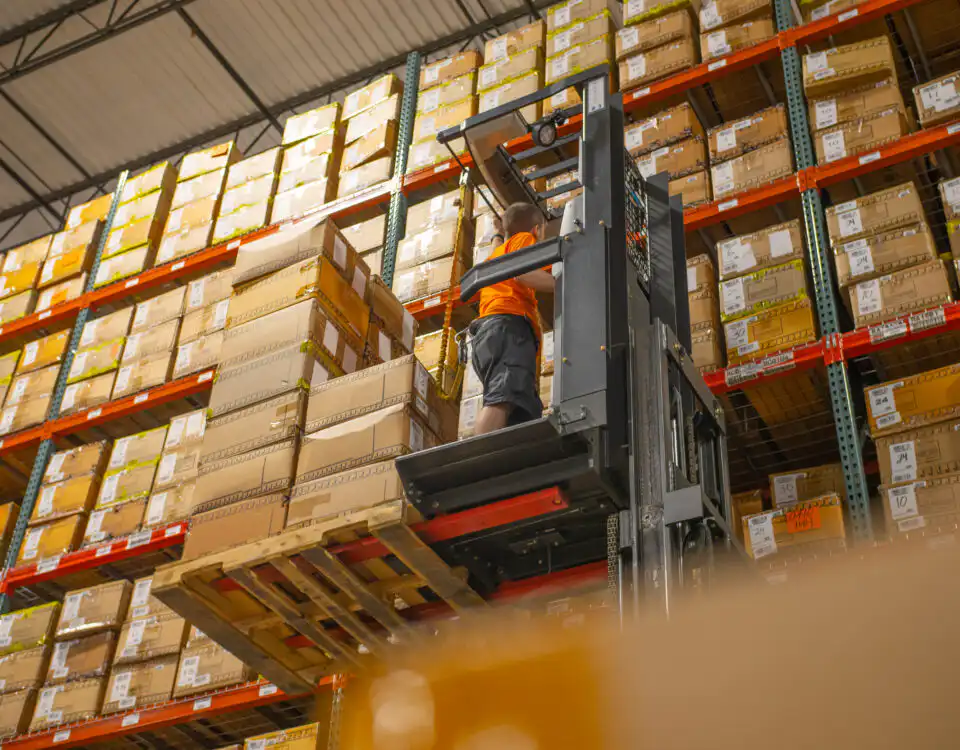
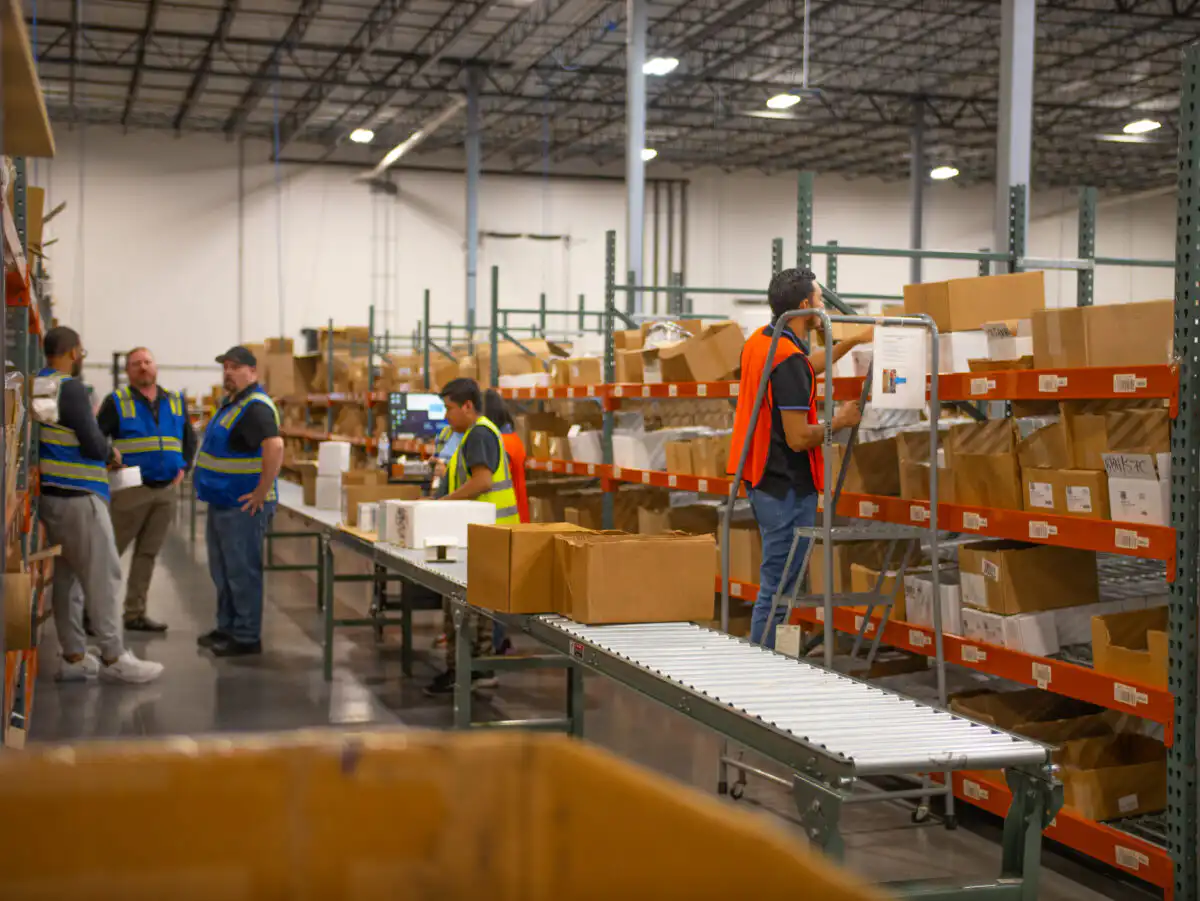
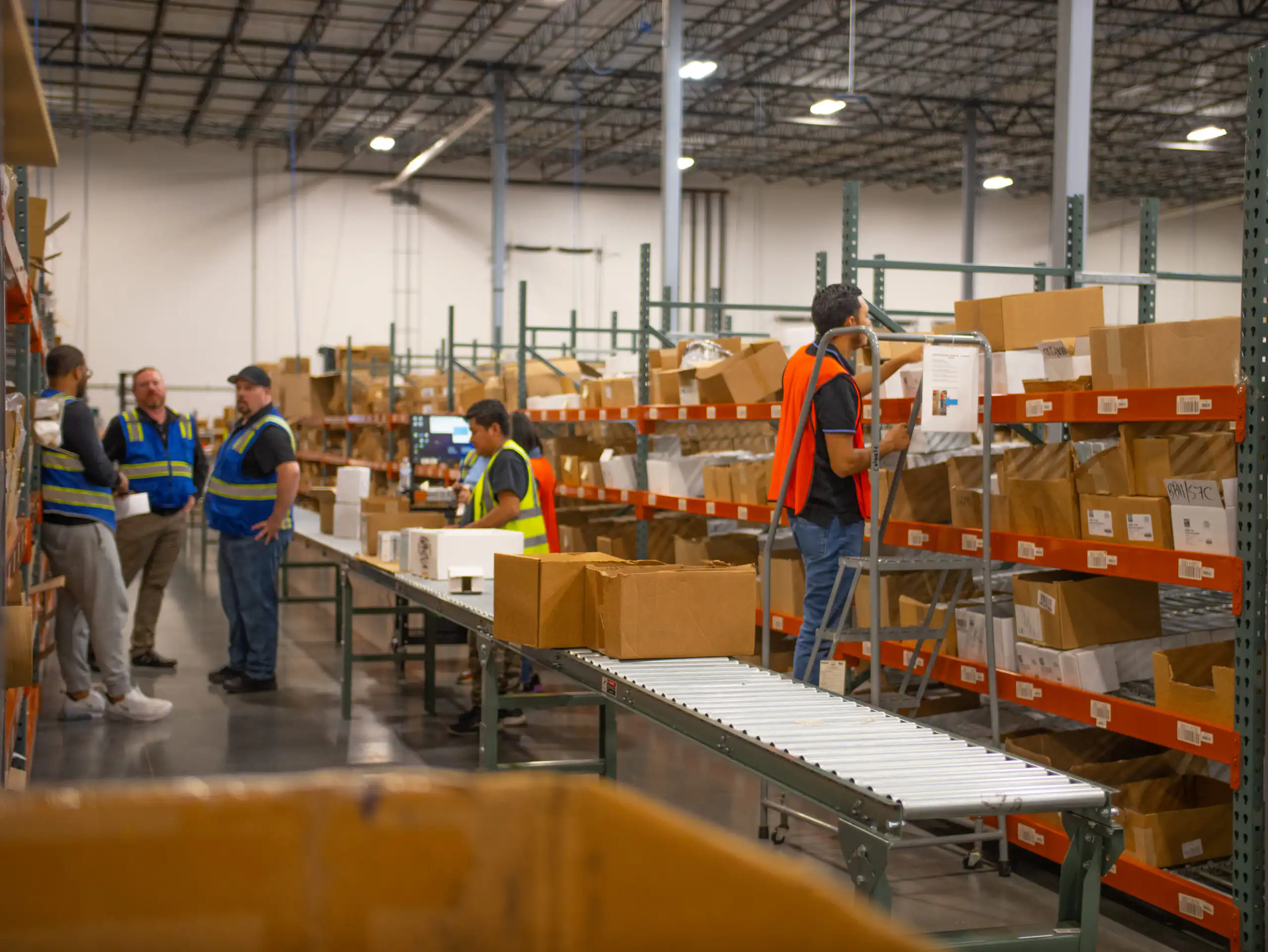
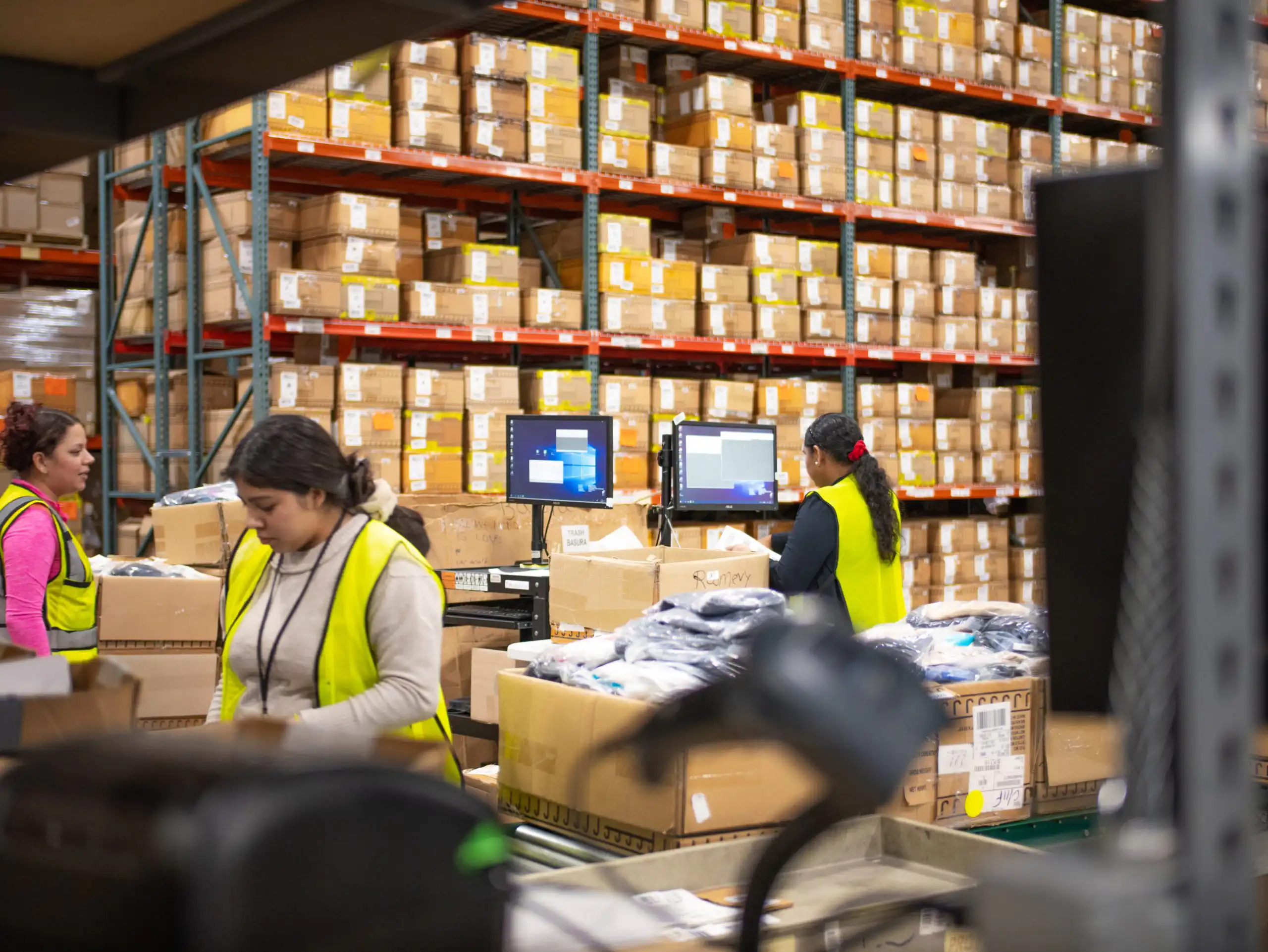
In fulfillment environments that are not built for that kind of variability, the change shows up in smaller ways first. Inventory that appears available gets checked before it is picked, faster-moving SKUs cycle through locations more frequently, and more time is spent working through discrepancies tied to how those products are received, stored, and moved. This often requires confirming before the next step can continue.
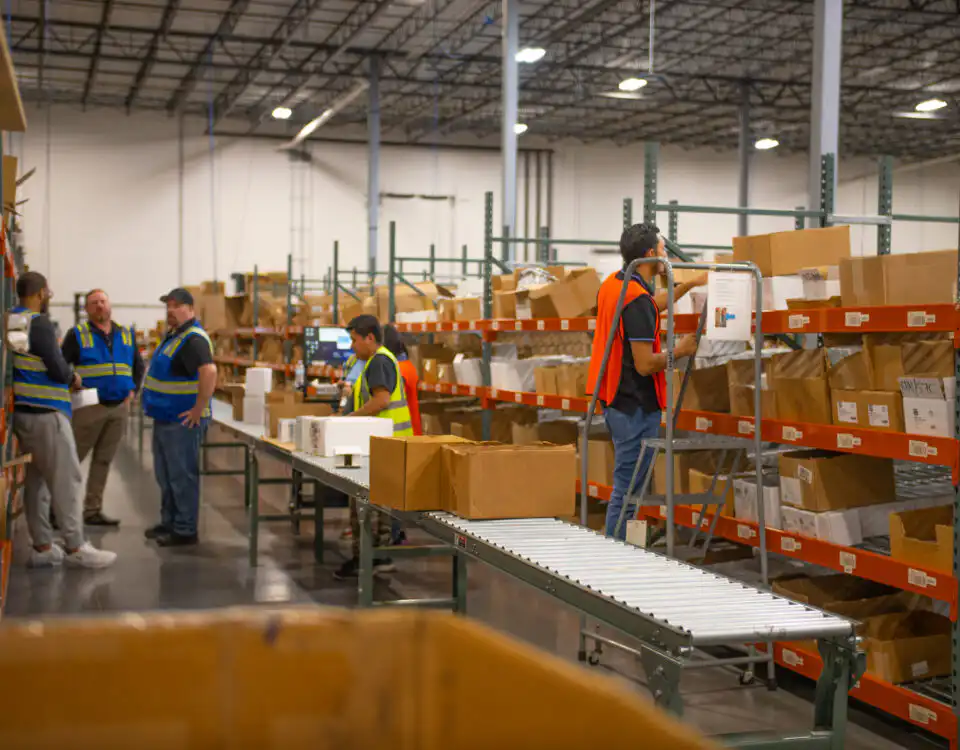
None of that stops the operation, but it begins to add weight, pulling in more labor, slowing orders that would normally move cleanly, and pushing some shipments into faster service levels just to stay on schedule.
Table of Contents
- Where cosmetic inventory accuracy begins to break down in fulfillment operations.
- Why cosmetic inventory control becomes harder to stabilize as SKU counts grow.
- What begins to break in cosmetic inventory control as SKU complexity increases.
- How fulfillment systems and partners shape cosmetic inventory accuracy.
Where cosmetic inventory accuracy begins to break down in fulfillment operations.
As SKU counts increase across cosmetics and beauty products, movement rarely distributes evenly across SKUs. Instead, a smaller set of SKUs begins to move more frequently, often across multiple locations, while the rest of the inventory remains relatively stable.
That imbalance does not immediately change how the operation is structured, so work continues to move as expected. Over time, however, more situations begin to surface where inventory is not in the place or condition it is expected to be when the next step occurs.
Higher-velocity SKUs cycle through locations more often, and replenishment tightens to keep pace, reducing the time between when inventory is received, stored, and picked. The same SKUs begin appearing in multiple locations, and movement becomes less predictable from one step to the next.
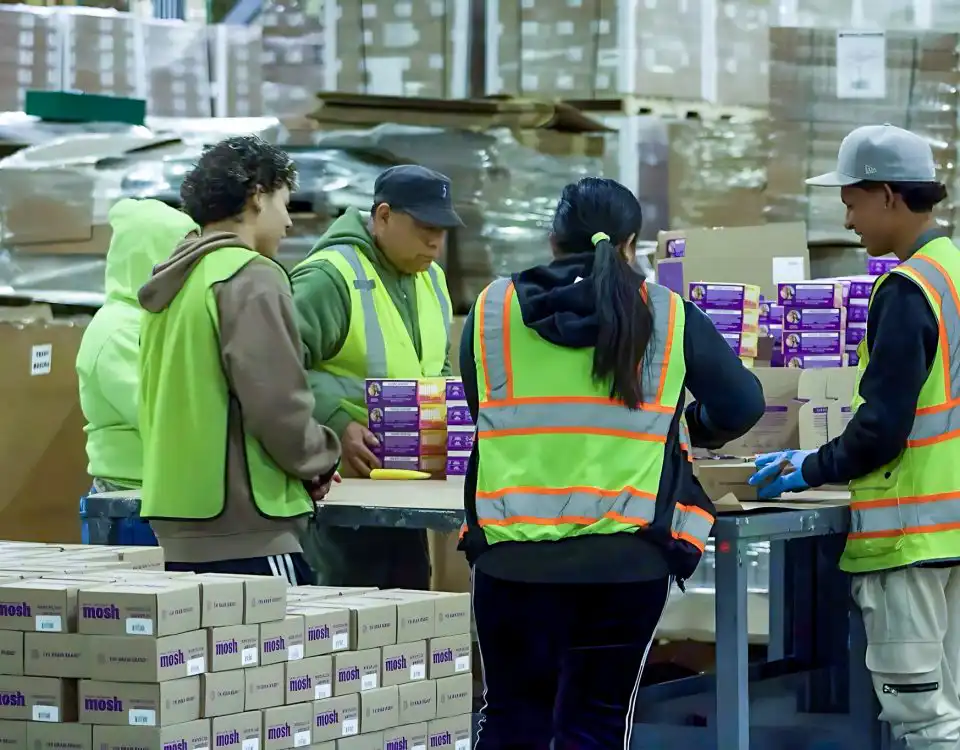
At the same time, differences in product formats, packaging, and promotional configurations begin to show up in how inventory is handled, particularly when the same SKU supports multiple use cases.
Most operations do not pause to restructure around that shift. Instead, adjustments are made within the existing setup. Inventory is repositioned to support picking demand, updates are recorded after movement has already occurred, and availability is confirmed more often before committing inventory to orders.
As these patterns repeat, inventory begins showing up in different locations than expected, movement is recorded after the fact, and confirmation becomes part of the process before the next step can move forward.
Why cosmetic inventory control becomes harder to stabilize as SKU counts grow.
Once cosmetic inventory accuracy begins to drift, most teams respond by tightening control within the existing structure. Counts become more frequent, receiving is checked more closely, and additional steps are introduced to confirm inventory before it is used to fulfill orders.
Those adjustments can slow how quickly discrepancies appear, especially in the short term, but they also add more work into processes that were not built to carry that weight as SKU counts and volume continue to increase.
At the same time, higher-velocity SKUs continue moving through the system under tighter timelines, which reduces the window available to verify accuracy before the next movement occurs. By the time inventory is confirmed, it may already be in a different location, allocated to another order, or adjusted again to keep work moving.
That lag begins to show up in how the operation runs day to day. Picks take longer because inventory is checked before it is trusted, exceptions require more handling, and orders that would normally move cleanly begin to compete for time and attention.
In some cases, delays push shipments into faster service levels to stay on schedule, increasing parcel costs, while additional labor is pulled into resolving issues that were not planned for, raising the cost required to fulfill each order as SKU complexity increases. The system continues to function, but it requires more effort to produce the same result, and consistency becomes harder to maintain as volume grows.
Over time, inventory accuracy becomes more difficult to stabilize, not because the controls are ineffective, but because the system is being asked to keep up with a level of movement and variation it was not designed to handle.
What begins to break in cosmetic inventory control as SKU complexity increases.
As SKU counts expand across shades, sizes, kits, and promotional bundles, consistency in how inventory is handled begins to shift.
The same product may be received in different configurations depending on the shipment, stored in multiple locations to support demand, and picked in ways that were not part of the original flow. None of these decisions stand out on their own, but they introduce variation in how inventory moves through the operation from one moment to the next.
That variation begins to show up in how reliably the system reflects what is happening. Inventory appears available but requires confirmation before it can be picked, locations no longer carry the same expectation of accuracy, and movement between steps becomes less predictable as volume builds.
As this becomes more common, more time is spent working through exceptions that were not planned for. Inventory is adjusted after movement has already occurred, availability is validated during execution, and decisions are made with less confidence in what the system is showing in real time.
In environments that are not structured for this level of flexibility, those patterns do not stabilize. The system continues to operate, but it becomes less consistent in how it produces results, requiring more intervention to keep work moving as SKU complexity increases.
How fulfillment systems and partners shape cosmetic inventory accuracy.
At this stage, cosmetic inventory accuracy begins to reflect how the fulfillment system is structured and how well it can keep pace with how inventory is actually moving.
In some environments, movement is captured as it happens, allowing inventory to shift across locations without breaking alignment between what is on the floor and what the system shows. In others, the structure remains fixed while the operation becomes more dynamic, and more effort is required to keep inventory aligned as SKU complexity increases.
That difference does not always show up in reporting. Accuracy may still appear within range, and orders may continue to ship on time, even as more labor is required to maintain them and more shipments move into higher-cost service levels to stay on schedule.
Over time, the distinction becomes clearer in how much intervention is required to keep the operation stable.
If you are starting to see these patterns in how cosmetic inventory is managed, it is worth stepping back to evaluate whether the issue is tied to process or to how your fulfillment system is structured. If you’d like clarity, we can walk through it with you and help identify where inventory accuracy is breaking down and what is driving it.
At IDS Fulfillment, we deliver accurate, scalable fulfillment solutions that help mid-sized ecommerce and multi-channel brands succeed across the U.S. From omnichannel order fulfillment to returns processing, our experienced team combines flexible logistics systems with real-time visibility to protect your customer experience and support growth. Backed by decades of operational expertise and powered by DHL Supply Chain’s infrastructure, IDS helps businesses scale with confidence, control costs, and meet delivery expectations every time.