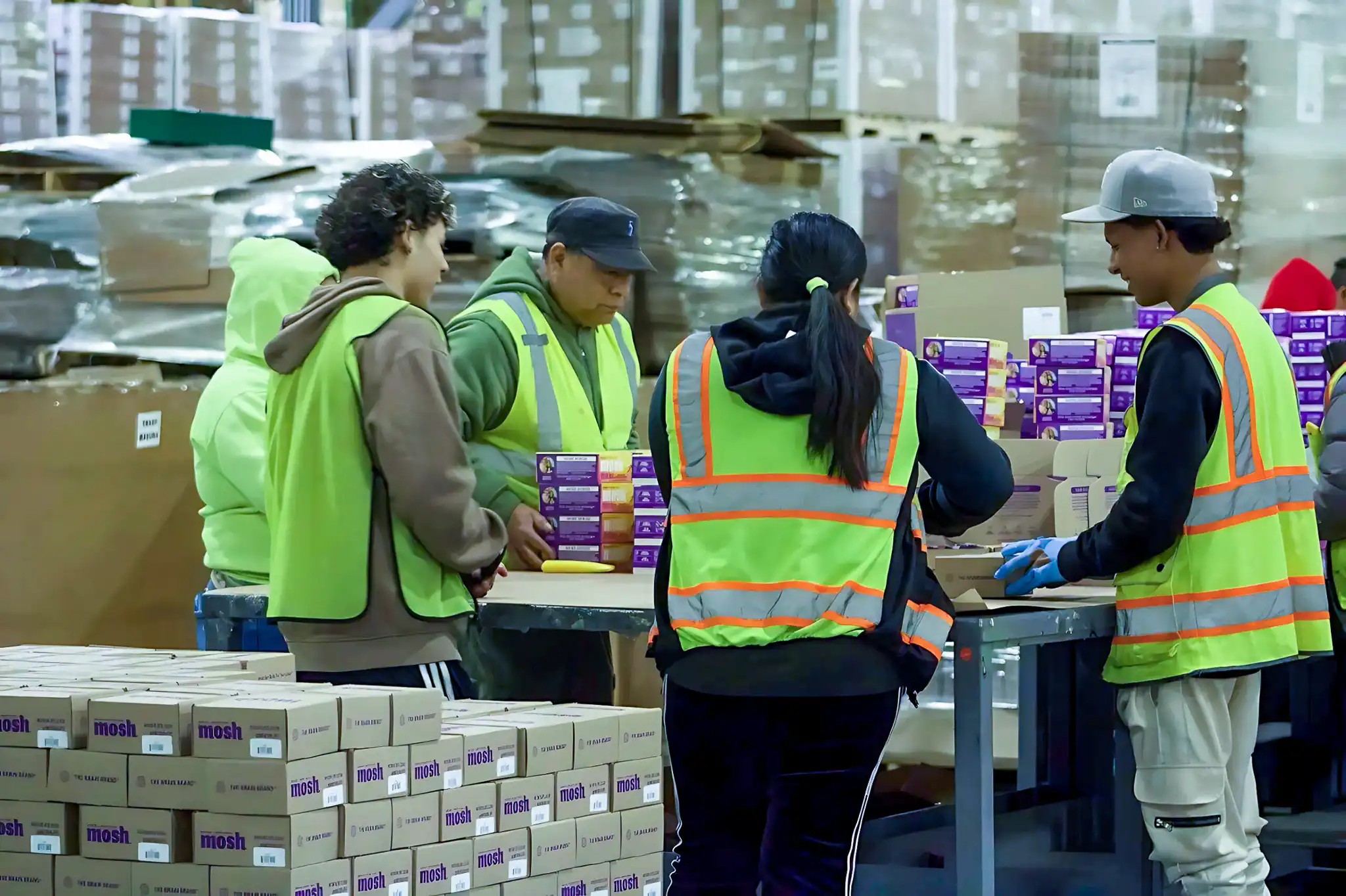



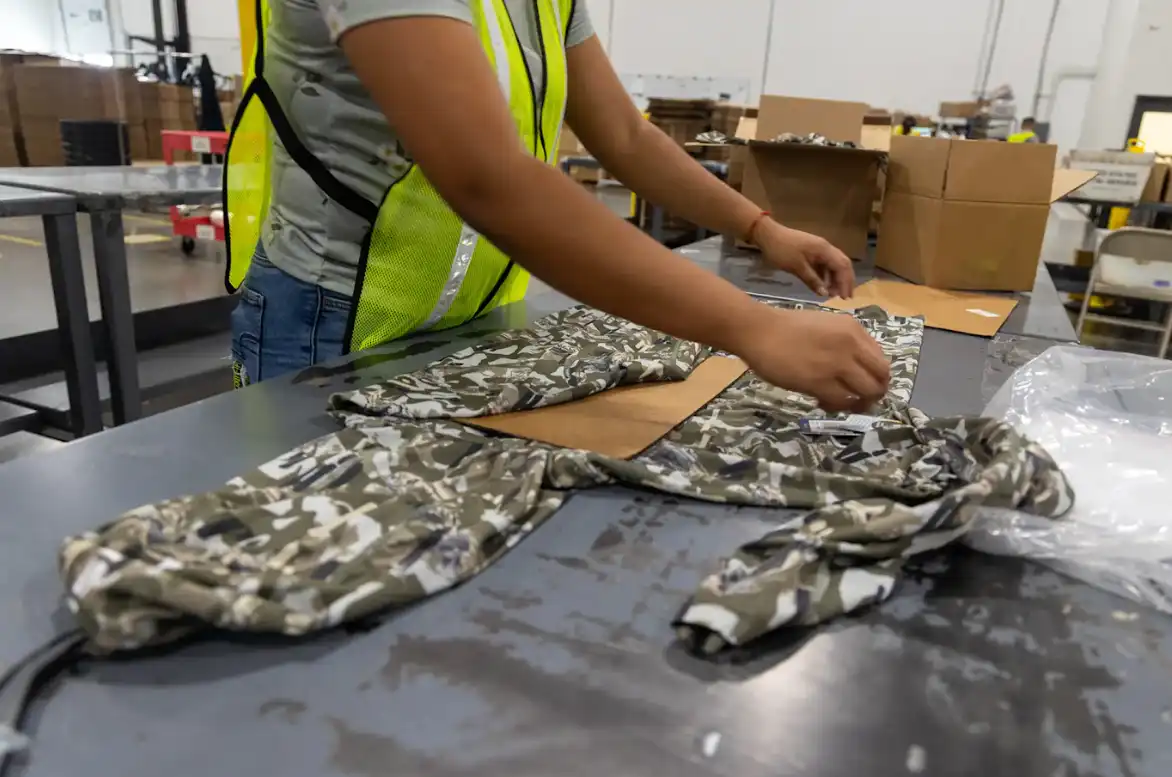
During product launches and seasonal drops, apparel inventory accuracy is often assumed to continue meeting performance expectations.
What begins to shift is how consistently the system can keep pace with what is happening on the floor as demand concentrates around a small group of high-demand sizes and styles.
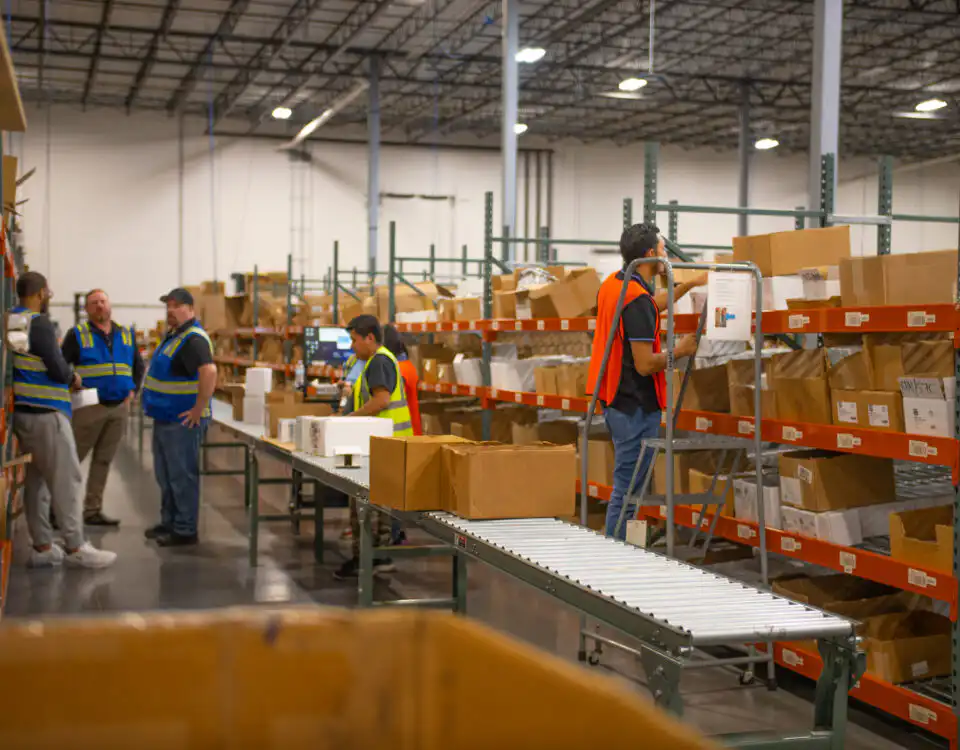
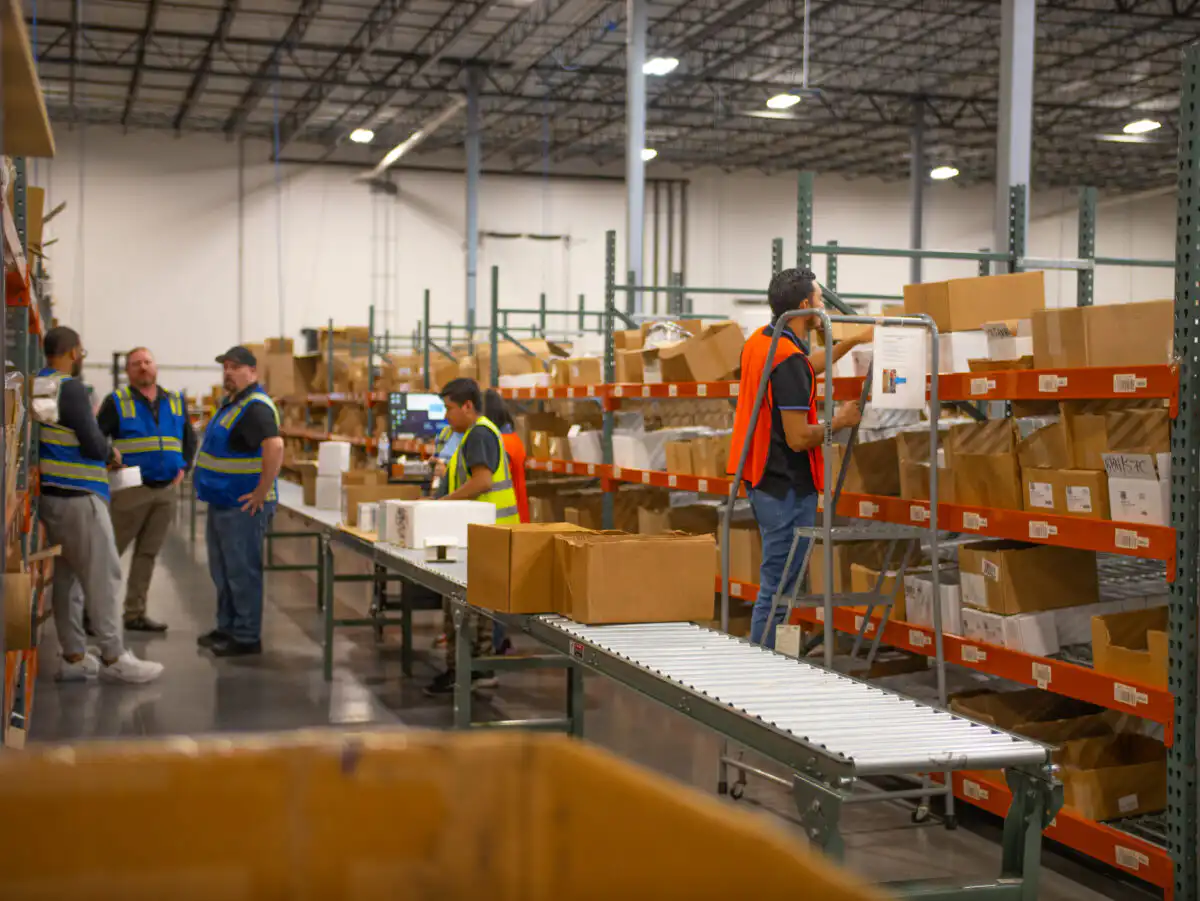
In fulfillment environments that are not structured for that level of variability, that shift starts to show up in ways that are easy to work through at first but harder to contain as volume builds. Orders that would normally be released without hesitation begin to slow as inventory is confirmed before picking, and more labor is pulled into resolving size- and location-level issues.
As that pressure builds, shipments are more likely to be pushed into faster service levels to stay on schedule, and fulfillment costs begin to rise at the same time the operation is expected to perform.
Where apparel inventory control starts to break under launch conditions.
As demand concentrates around a narrow set of sizes and styles, the strain begins to show up in how consistently inventory can be accessed at the moment it is needed.
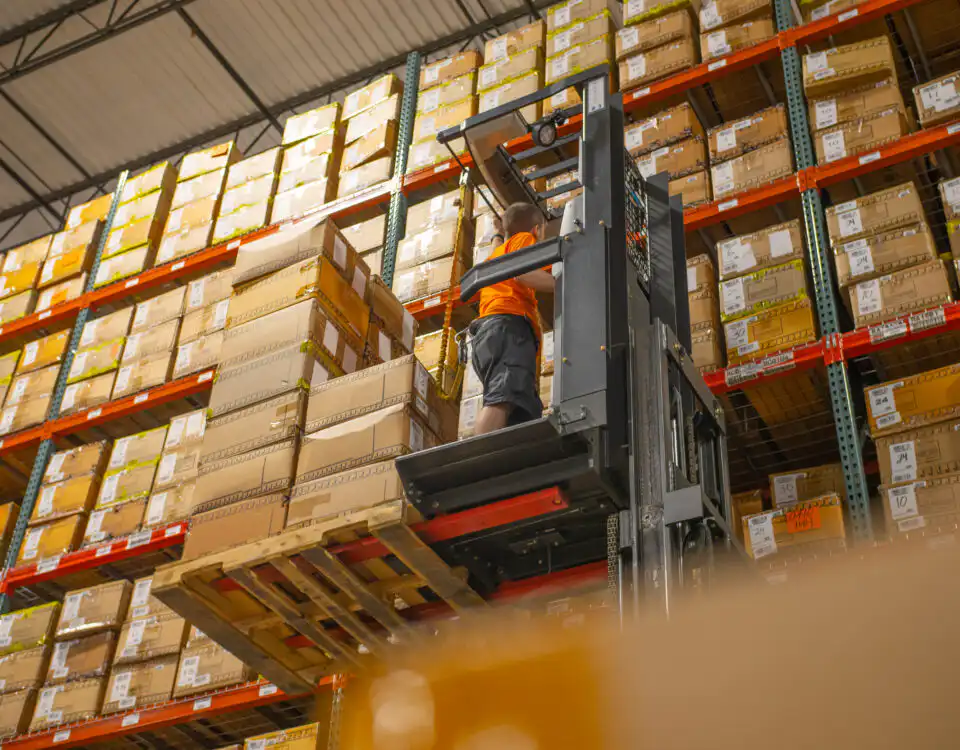
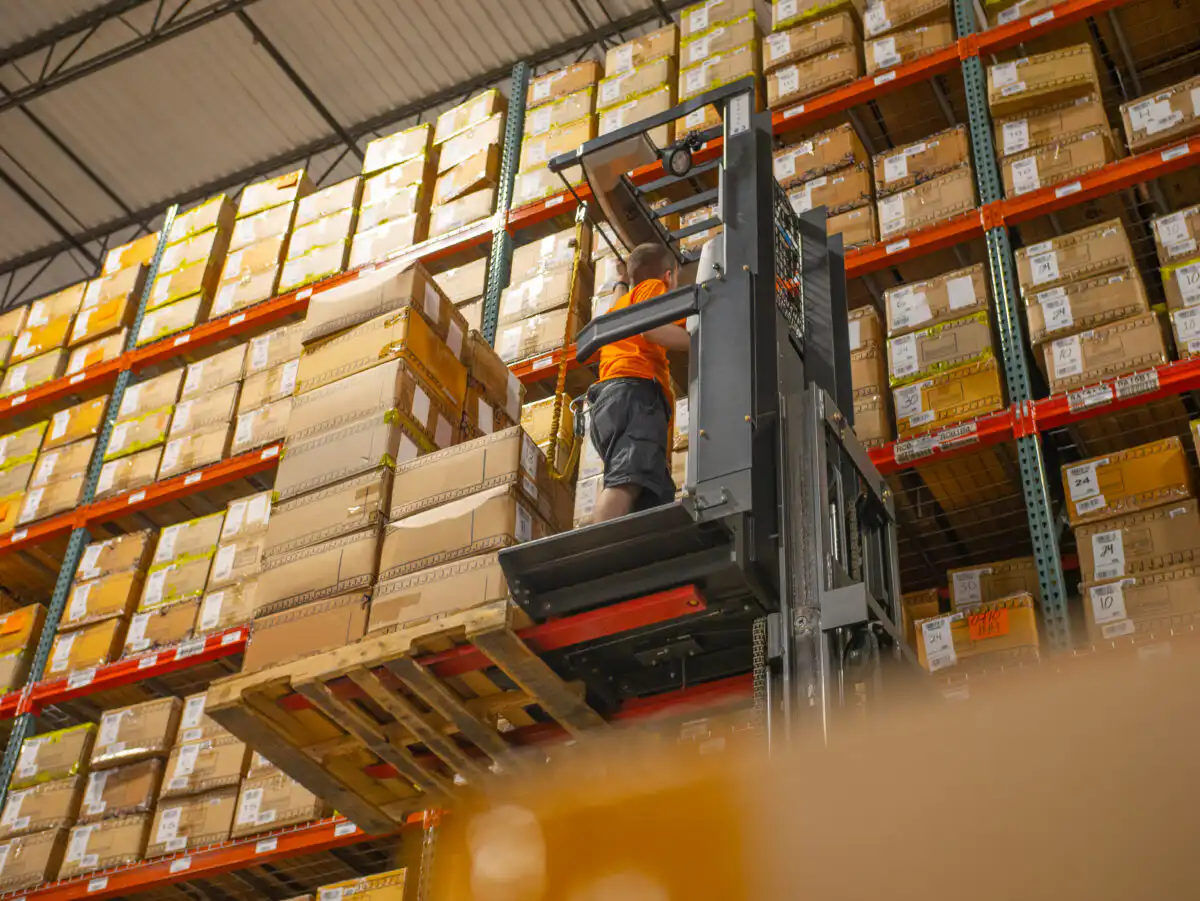
Forward pick locations cycle faster, but in fulfillment environments that are not structured for that level of variability, replenishment does not keep pace with how those sizes are actually turning. Inventory may still exist within the operation, but not in a way that supports continuous picking as pressure builds around the same SKUs, forcing teams to search across locations to complete orders that appear ready to release.
That gap is usually absorbed in the moment. Inventory is pulled from alternate locations, replenishment is expedited, and work is prioritized based on what can move now. The operation continues to move, but those adjustments begin to separate how inventory is handled from how it is expected to behave across the system.
As those patterns repeat, more time is spent confirming inventory before it can be picked, and exceptions begin to show up in places where work would normally move without interruption. The system continues to function, but in environments not built for that level of flexibility, it becomes less consistent as volume continues to build.
Why maintaining apparel inventory accuracy requires more effort as volume increases.
As volume continues to build around the same group of SKUs, the effort required to maintain flow does not level off, making it harder to maintain margin as more labor and expedited shipping are required to support the same volume.
The same conditions that caused inventory to fall out of alignment remain in place, but now require more frequent intervention to keep work moving. Replenishment is expedited more often, inventory is checked more frequently before picking, and exceptions begin to take up a larger share of daily activity.
In fulfillment environments that are not built for that level of flexibility, those interventions become part of the operating model rather than a temporary response. More labor is required to maintain throughput, and decisions are made in shorter windows to keep orders moving as expected.
As that pattern continues, the cost of maintaining performance begins to rise alongside volume. Labor expands to support the same set of SKUs, shipments are more likely to be pushed into faster service levels to recover timing, and the effort required to maintain consistency increases at the same time demand is expected to perform, putting pressure on margin as more resources are required to support the same output.
When apparel inventory accuracy becomes a system decision.
As volume builds and the same patterns repeat across launches and seasonal shifts, the effort required to keep inventory aligned starts to reflect how the fulfillment system is set up.
In environments that are not built for that level of flexibility, more of the work shifts toward maintaining alignment rather than executing cleanly. Inventory is checked more often before it is trusted, replenishment is adjusted to keep pace with what is moving, and exceptions become something the team works through continuously rather than something that gets resolved.
The operation continues to move, but it takes more to keep it moving. Orders still ship, but not without added effort behind them, and maintaining accuracy begins to depend less on the system itself and more on how much intervention is applied to keep things aligned.
At a certain point, the difference becomes harder to ignore. Some operations are able to absorb this kind of variability without changing how work gets done. Others require more involvement to produce the same result, and inventory accuracy becomes less about whether the system is working and more about how much effort it takes to make it work.
If you’re working through these patterns and trying to understand whether they’re tied to process or to how your fulfillment system is structured, we can walk through your operation with you and help identify where inventory accuracy is breaking down and what’s driving it.
At IDS Fulfillment, we deliver accurate, scalable fulfillment solutions that help mid-sized ecommerce and multi-channel brands succeed across the U.S. From omnichannel order fulfillment to returns processing, our experienced team combines flexible logistics systems with real-time visibility to protect your customer experience and support growth. Backed by decades of operational expertise and powered by DHL Supply Chain’s infrastructure, IDS helps businesses scale with confidence, control costs, and meet delivery expectations every time.