


Warehouse inventory accuracy is often treated as a baseline metric.
It’s expected to remain stable as long as processes are followed and systems are in place. In earlier stages of growth, that assumption tends to hold, as SKU counts are manageable, product movement is easier to track, and discrepancies can usually be traced back to a specific point in receiving, picking, or counting.
As SKU counts grow, however, inventory accuracy begins to behave differently. The system continues to function, but maintaining alignment between what it shows and what is physically happening inside the warehouse becomes more difficult, and that shift rarely appears all at once.
Instead, it begins to surface in smaller moments that are easy to explain in isolation. Teams start relying more on confirmation before acting, whether that means checking inventory that appears available, validating locations that should be correct, or pausing orders that would have previously moved through without hesitation. These moments do not immediately disrupt operations, but they accumulate in ways that gradually change how the system is used.
Table of Contents
- Where warehouse inventory accuracy starts to break down in fulfillment operations.
- Why warehouse inventory accuracy becomes harder to recover as volume increases.
- What begins to break in inventory control for high SKU operations.
- How fulfillment systems and partners influence inventory accuracy.
- When warehouse inventory accuracy becomes a system decision.
Where warehouse inventory accuracy starts to break down in fulfillment operations.
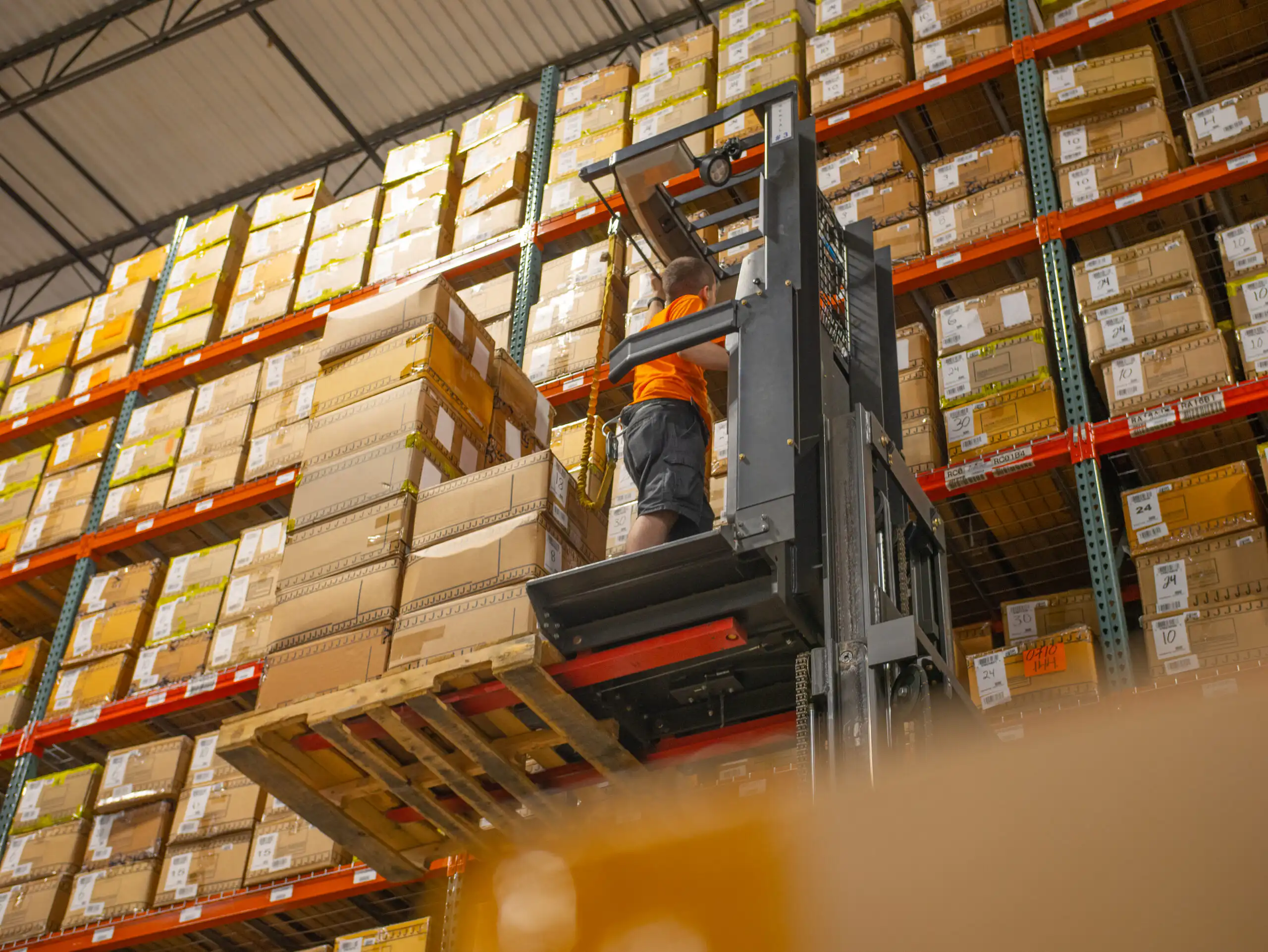
As SKU counts increase, the number of possible inventory paths expands with them, and the system begins to encounter more situations that fall outside of how it was originally set up to operate.
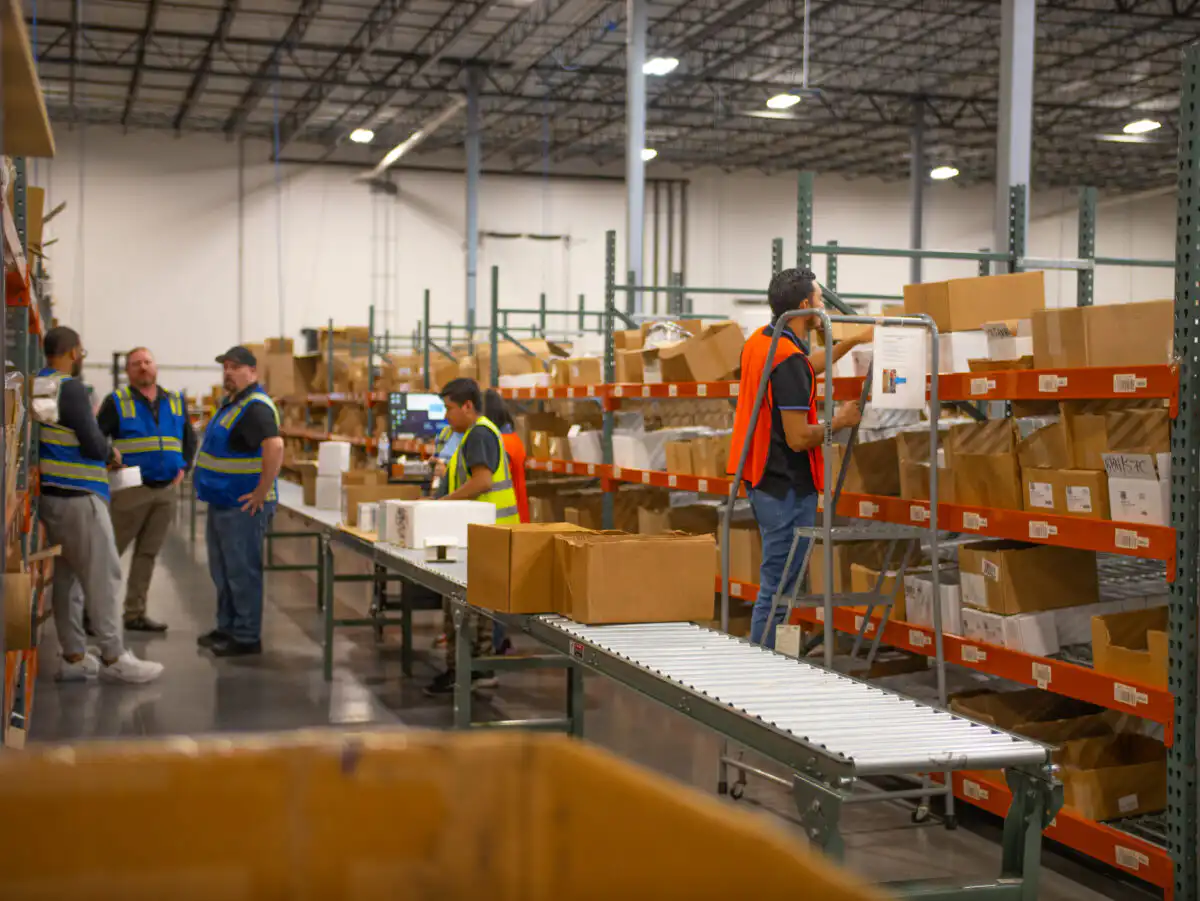
Products move across more locations and more frequently, partial picks become more common, and returns introduce additional variation in how inventory is received, validated, and put back into available stock. None of these conditions are unusual on their own, but they increase the number of moments where the system has to keep up with what is actually happening.
Most operations do not immediately adjust how inventory is structured or how those movements are handled. Instead, they adapt in ways that keep work moving.
Inventory is staged temporarily to avoid slowing down receiving, and the system often reflects those movements later than they occur on the floor. Adjustments are made after orders are completed, and teams rely on manual workarounds to resolve gaps between what the system shows and what is physically happening. These decisions make sense in the moment, but they introduce inconsistency in how inventory is tracked and updated across the operation.
As that inconsistency builds, the impact begins to show up in how the work gets done. Picks take longer because locations are checked before they are trusted, more time is spent working through exceptions that were not planned for, and orders that should move cleanly require additional handling to stay on schedule.
This pulls labor into work that was not required at lower SKU levels. In some cases, delays push shipments into more expensive service levels, increasing parcel costs in ways that are not always tied back to the underlying cause, while additional labor is required to keep orders moving through exceptions.
Over time, those inconsistencies begin to accumulate, and warehouse inventory discrepancies become less about isolated errors and more about how work is being completed.
Why warehouse inventory accuracy becomes harder to recover as volume increases.
Once inventory accuracy begins to drift, most teams try to regain control by tightening the process.
Cycle counts become more frequent, receiving is checked more closely, and additional steps are added to confirm inventory before it is used to fulfill orders. These adjustments can slow the rate at which discrepancies appear, especially in the short term, but they also introduce more labor into workflows that were not originally designed to carry that load.
As order volume increases alongside SKU growth, those same controls begin to compete with the pace of the operation.
Inventory is moving across more locations, more frequently, and often under tighter timelines, which reduces the window available to verify accuracy before the next movement occurs. By the time inventory is counted or confirmed, it may have already been picked, relocated, or adjusted again, creating a lag between what is happening on the floor and what can be trusted in the system.
That lag begins to affect how work is executed. Picks slow down as inventory is checked before it is used, exceptions require additional handling, and orders that should move cleanly start consuming more time and attention. In some cases, delays push shipments into faster service levels to stay on schedule, increasing parcel costs in ways that are not always attributed to inventory accuracy.
Over time, cycle count accuracy becomes harder to sustain, not because counting is ineffective, but because the system is being asked to reconcile movement after it has already happened. Adjustments become more frequent, labor requirements increase, and the cost of maintaining alignment rises with it.
At that point, inventory accuracy is no longer something that can be restored through tighter control alone, because the underlying conditions that are driving the discrepancies have not changed.
What begins to break in inventory control for high SKU operations.
As SKU counts and volume continue to increase, the strain begins to show up in how consistently inventory moves through the system.
The same product may be received and stored differently depending on timing or capacity, inventory may be picked from locations that were not originally intended to support that movement, and returns may re-enter available stock under different conditions depending on how they are processed. None of these decisions are unusual on their own, but they begin to introduce variation in how inventory is handled across the operation.
Over time, that variation makes inventory harder to control through the system alone.
Inventory appears available but is not in the expected location, orders are picked based on system data and corrected during execution, and returns require additional validation before they can be used again. As these patterns become more common, more time is spent working through exceptions, more labor is required to maintain flow, and decisions are made with less confidence in the data supporting them.
At that point, the issue is no longer tied to individual discrepancies. It reflects how the system is handling the level of variation it is being asked to manage.
How fulfillment systems and partners influence inventory accuracy.
At this stage, inventory accuracy is no longer shaped only by how the operation is managed, but by how the fulfillment system itself is structured.
Reporting may still show acceptable accuracy levels, and discrepancies are often corrected before they surface outside of the operation. From a distance, the system appears stable, even as more effort is required to maintain it.
That difference is tied to how well the system can handle increasing SKU complexity.
Some fulfillment environments continue to enforce consistent inventory movement as variation increases, which allows warehouse inventory accuracy to remain stable as SKU counts grow. Others begin to rely more heavily on manual intervention, which introduces the same inconsistencies that lead to inventory drift.
Over time, the distinction becomes clearer in how much effort is required to maintain alignment.
In systems that absorb variation, inventory remains more reliable without additional oversight. In those that do not, more labor is required to maintain control, and discrepancies become harder to contain as the operation grows.
When warehouse inventory accuracy becomes a system decision.
As SKU counts continue to grow, the effort required to maintain inventory accuracy rarely levels off.
What begins as a manageable level of inconsistency becomes harder to contain, especially when accuracy depends on continued intervention to stay aligned. At that point, the issue is no longer tied to specific processes. It reflects whether the fulfillment system is structured to support the level of variation the operation now requires.
For most teams, the signals are already present in how often inventory needs to be verified before it is trusted and how much effort is required to keep orders moving as expected.
If you are trying to determine whether these issues are tied to process or to how your fulfillment system is structured, we can walk through your operation with you and identify where inventory accuracy is breaking down and what is driving it.
At IDS Fulfillment, we deliver accurate, scalable fulfillment solutions that help mid-sized ecommerce and multi-channel brands succeed across the U.S. From omnichannel order fulfillment to returns processing, our experienced team combines flexible logistics systems with real-time visibility to protect your customer experience and support growth. Backed by decades of operational expertise and powered by DHL Supply Chain’s infrastructure, IDS helps businesses scale with confidence, control costs, and meet delivery expectations every time.