


Supplement lot traceability is often assumed to remain intact as long as products are labeled correctly and lot information is captured as inventory moves through the system.
That approach works when inventory movement is steady and lots follow predictable paths through receiving, storage, and fulfillment. As volume increases, however, demand often concentrates around specific SKUs or production batches, which changes how frequently lots are split, picked from multiple locations, and moved to support order flow.
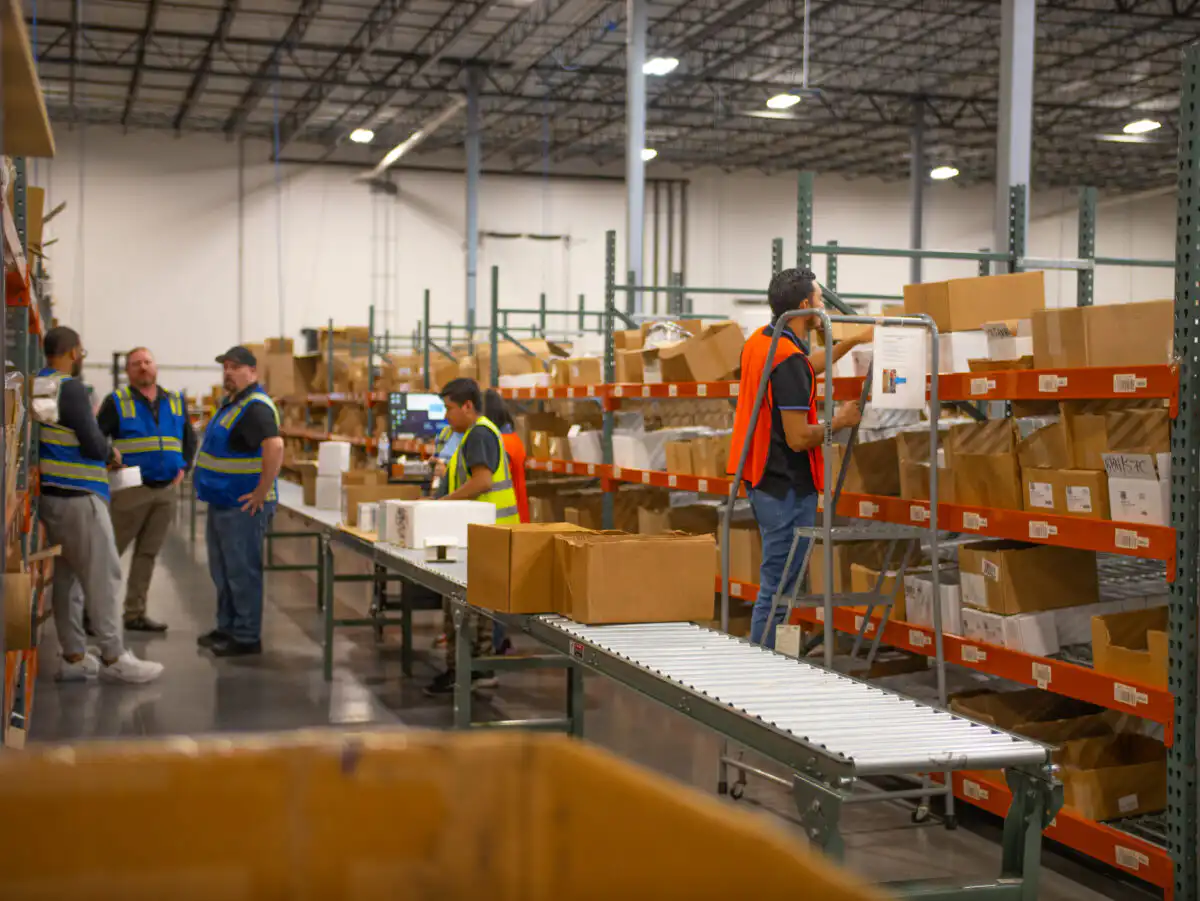
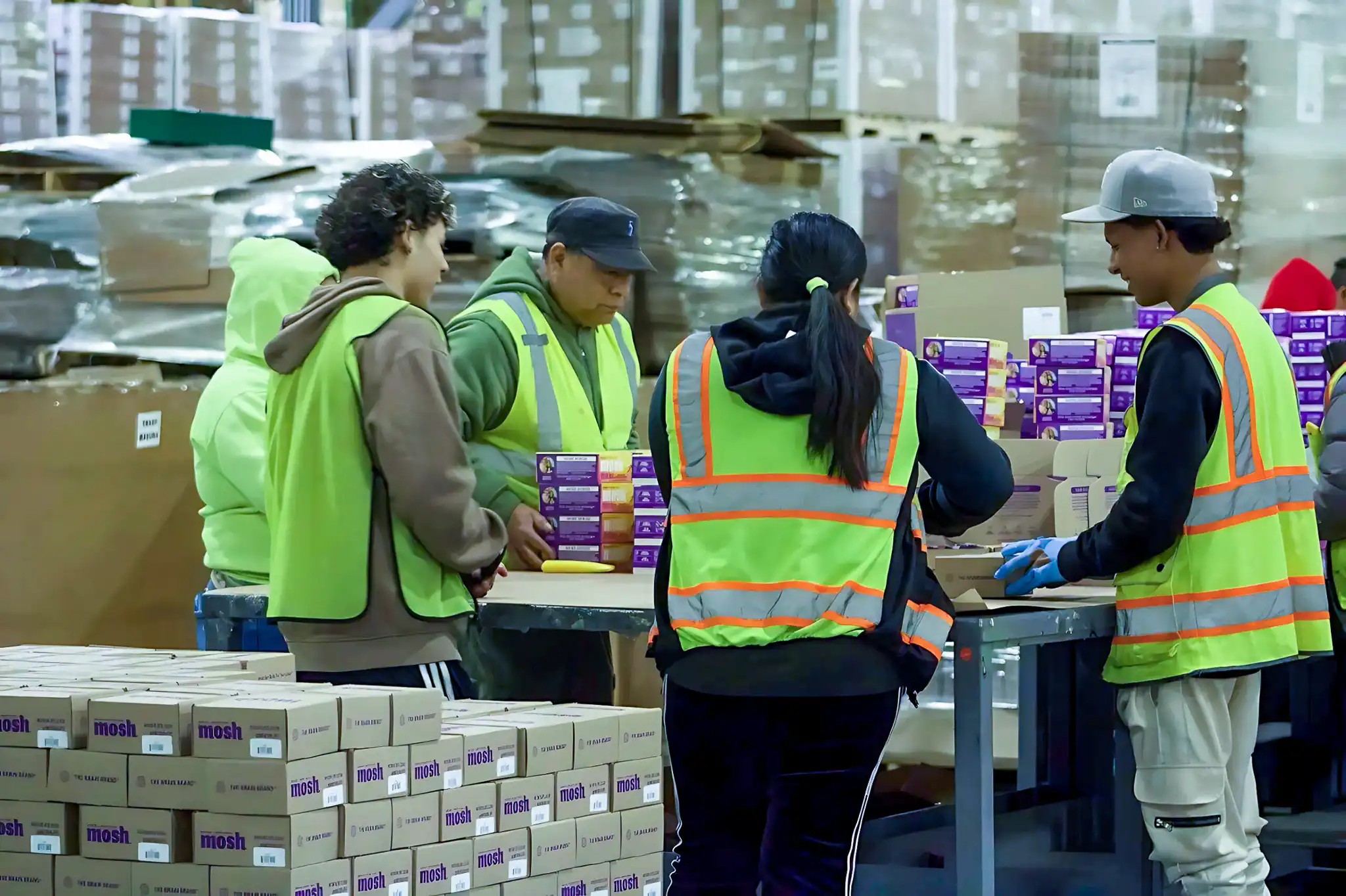
In fulfillment environments that are not structured for that level of lot-level movement, that shift begins to surface in ways that are easy to work through at first. Lots that were received together are broken apart, picked in partial quantities across locations, and recorded at different points in the process, increasing the number of moments where traceability depends on the system keeping pace with what is happening on the floor.
As that movement accelerates, more time is spent confirming lot information before picking, resolving gaps between recorded and physical inventory, and ensuring lot data is captured accurately during fulfillment. At the same time, it becomes harder to answer simple questions with confidence, such as where a specific lot is located, which orders it has been shipped with, or whether it can be fully traced if needed.
That uncertainty does not always show up in daily operations, but it becomes more visible when traceability is tested under audit or recall conditions, where delays, manual work, and gaps in data begin to surface, making it harder to respond quickly when traceability must be proven under audit or recall conditions.
Table of Contents
Where supplement lot traceability starts to break down in fulfillment operations.
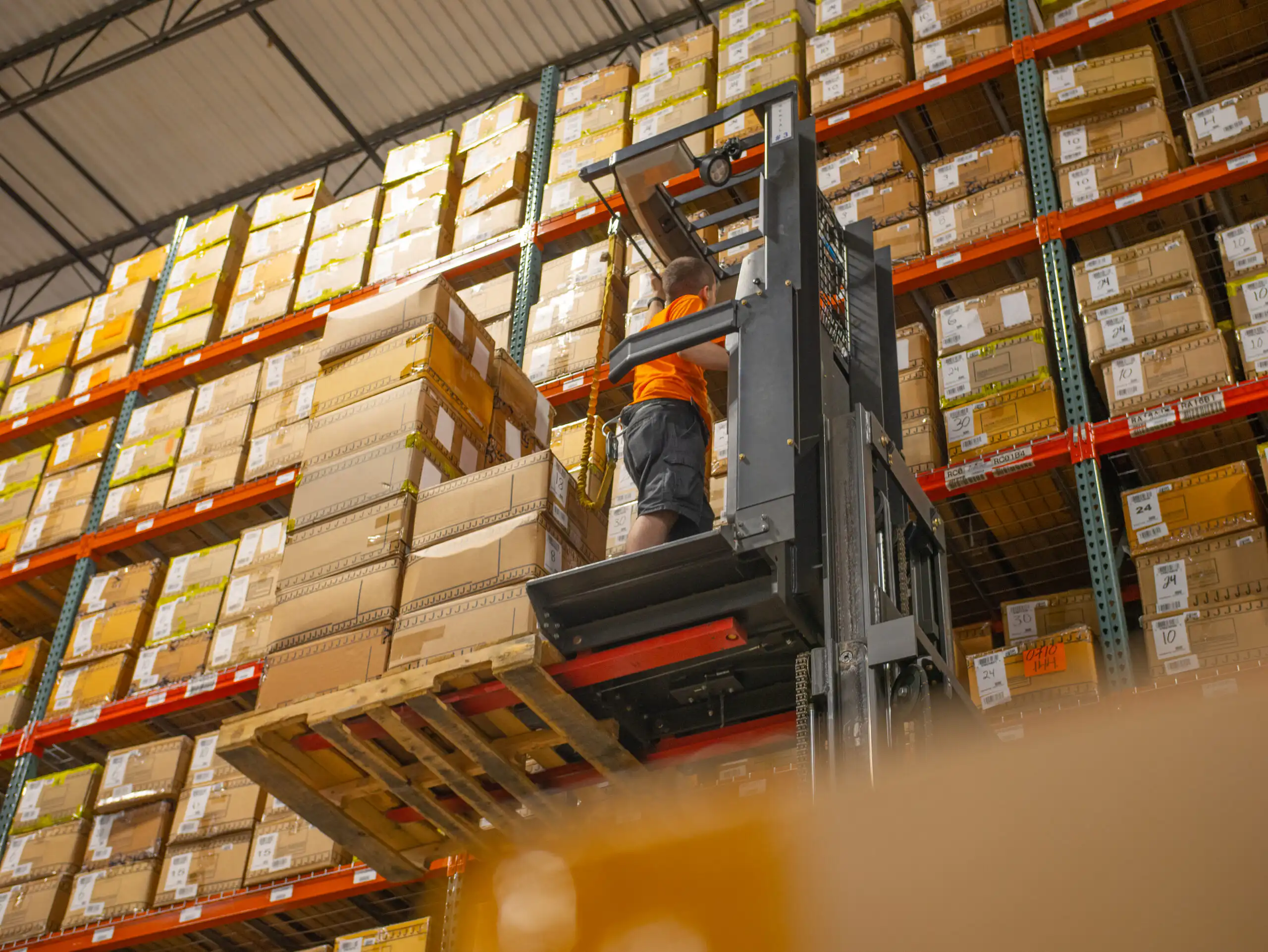
As volume increases across supplement SKUs, lot movement rarely stays contained to a single path through the operation. Lots that arrive together begin to move across multiple locations to support picking demand, while partial quantities are pulled at different times to keep orders moving.
That movement does not immediately change how the system is structured, so work continues to flow as expected. Over time, however, more situations begin to surface when lot data is recorded at a different moment than when the physical movement actually occurs.
Lots are picked from multiple locations within the same order window, replenishment happens alongside fulfillment, and inventory is repositioned to maintain availability. Each of these steps is controlled, but they increase the number of points where traceability depends on the system capturing lot movement in sequence.
As that pattern repeats, small gaps begin to form. Lot information may be confirmed before picking but recorded after movement, lots may appear available in the system before they are physically in place, and updates may lag behind what is happening on the floor during periods of higher activity.
Those moments do not stop the operation, but they begin to change how confidently lot traceability reflects what is actually happening in real time.
Why supplement lot traceability becomes harder to maintain as volume increases.
As more lots are split, moved across locations, and picked within the same order cycles, teams begin tightening control within the existing process. Lot scans are reinforced, verification steps are added, and more attention is placed on capturing lot data as inventory moves through picking and packing.
Those adjustments can reduce errors in the short term, but they also introduce more steps into workflows that were not designed to carry that level of oversight as volume increases.
At the same time, higher-demand SKUs and production batches continue moving through the operation under tighter timelines, reducing the window available to capture lot data before the next movement occurs. Lots are picked, split, and staged across multiple orders within the same cycle, while movement continues in parallel across locations.
That timing begins to show up in how lot data is captured. Scans occur at different points in the process, updates follow movement instead of recording it in sequence, and more time is spent working through exceptions to ensure the correct lot is tied to each order.
In some cases, that added handling slows fulfillment and pulls more labor into verification and correction, while shipments move into faster service levels to stay on schedule. The operation continues to run, but it requires more effort to maintain traceability as volume builds.
Over time, lot traceability becomes harder to maintain, not because the controls are ineffective, but because the operation is being asked to support a level of movement and timing it was not structured to handle consistently.
What begins to break in supplement lot traceability during fulfillment.
As lot movement continues across locations and order cycles, the strain begins to show up in how consistently lot information can be trusted during fulfillment.
The same lot may be picked from multiple locations within a short window, staged across several orders, and updated at different points in the process depending on how work is moving on the floor. Each step is completed, but the sequence between movement and recording becomes less consistent as activity increases.
That inconsistency begins to show up when lot information is needed in real time. Lot details require confirmation before picking can proceed, orders pause while lot information is verified, and more time is spent checking that the correct lot is tied to each shipment before it leaves the building.
Under those conditions, it becomes harder to answer basic traceability questions without delay. Where a lot is located, which orders it has been used for, and whether it can be traced cleanly across shipments are no longer immediately clear without additional effort. That uncertainty is not always visible during day-to-day fulfillment, but it becomes more apparent when traceability is tested under audit or recall conditions.
In environments that are not structured for this level of lot-level movement, those patterns do not stabilize. The system continues to operate, but confidence in lot traceability depends on continued intervention as volume and complexity increase.
When supplement lot traceability can’t keep up with volume.
As volume increases and lot movement becomes harder to track in sequence, the effort required to maintain traceability rarely levels off.
What begins as additional verification during picking and packing becomes part of how the operation runs, with more time spent confirming lot data, resolving gaps, and ensuring traceability holds together as orders move out the door. The work still gets done, but it depends more heavily on continued intervention to stay aligned.
At that point, the issue is no longer tied to individual process steps. It reflects whether the fulfillment system is structured to support lot-level movement at the pace and variability the operation now requires.
For most teams, the signals are already present in how often lot information needs to be checked before it is trusted and how much effort is required to answer basic traceability questions when they come up. If you’d like clarity, we can walk through that with you and help identify where lot traceability is breaking down and what is driving it.
At IDS Fulfillment, we deliver accurate, scalable fulfillment solutions that help mid-sized ecommerce and multi-channel brands succeed across the U.S. From omnichannel order fulfillment to returns processing, our experienced team combines flexible logistics systems with real-time visibility to protect your customer experience and support growth. Backed by decades of operational expertise and powered by DHL Supply Chain’s infrastructure, IDS helps businesses scale with confidence, control costs, and meet delivery expectations every time.