


Returns processing usually becomes harder long before you realize the returns workflow itself is the issue.
Most brands first notice it through rising labor costs, inventory that takes longer to become available again, or growing gaps between what inventory systems show and what teams can actually use. Returns begin sitting longer before inspection, more product gets staged between workflow steps, and outbound teams start working around inventory that has technically been returned but is not ready to move back into fulfillment.
As volume increases across channels, returns stop behaving like a contained workflow and start competing with outbound operations for labor, space, and operational attention. The additional effort required to manage that pressure rarely appears in one obvious place, which is why returns processing costs become harder to explain as brands scale.
Why ecommerce returns management starts creating operational pressure.
Returns create different operational conditions than outbound fulfillment because the work entering the building is less predictable and requires more decision-making before inventory can move forward.
Products arrive in different conditions, across different order types, and under different customer expectations around refund timing and inventory availability. As return volume increases, more inventory begins waiting for inspection, disposition, repackaging, or verification before it can move back into sellable stock.
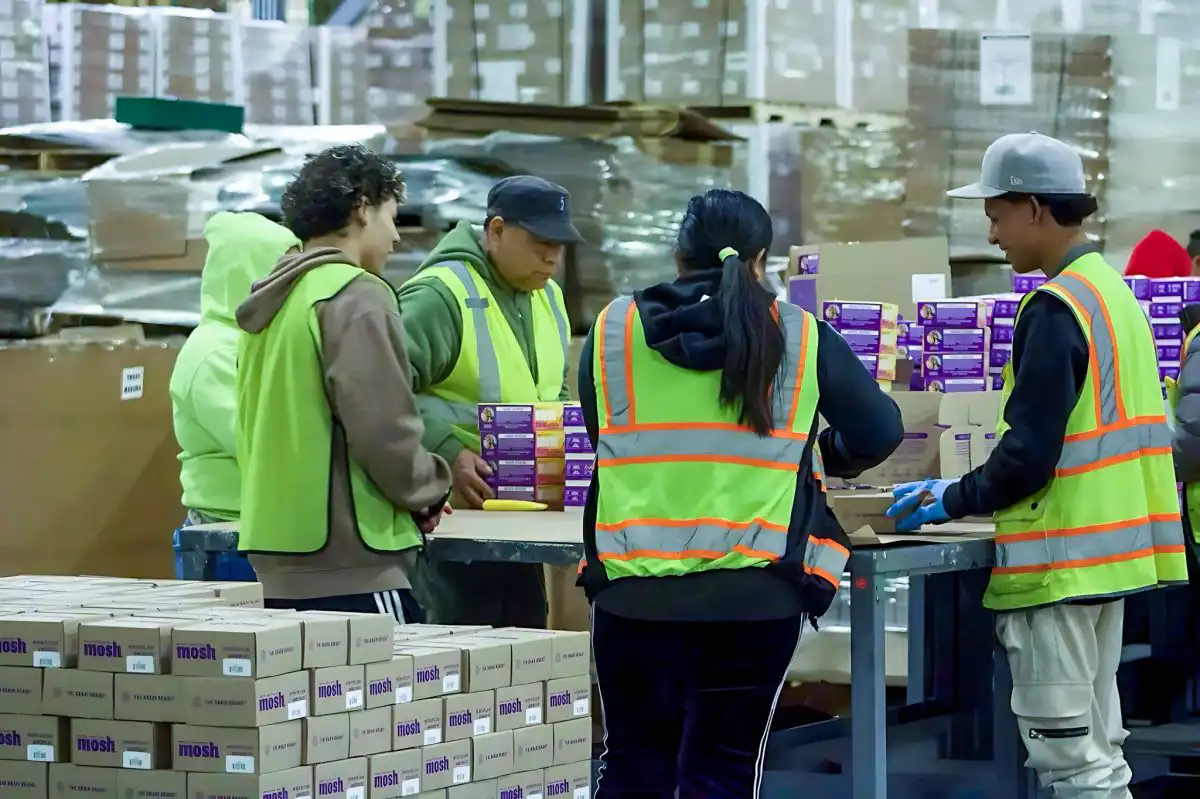
At lower volume, most operations absorb that work manually without major disruption. As return volume becomes more constant, workflows start carrying more inventory in temporary states while teams spend more time moving products between staging, inspection, and inventory locations to prevent bottlenecks from building.
That pressure usually surfaces first in labor utilization and inventory flow because returns teams stay active longer in the same areas, outbound fulfillment starts adjusting around delayed inventory availability, and products remain disconnected from usable inventory longer than expected. Over time, the operation begins using more effort to maintain inventory movement that previously happened with less intervention.
Why reverse logistics fulfillment operations become harder to stabilize.
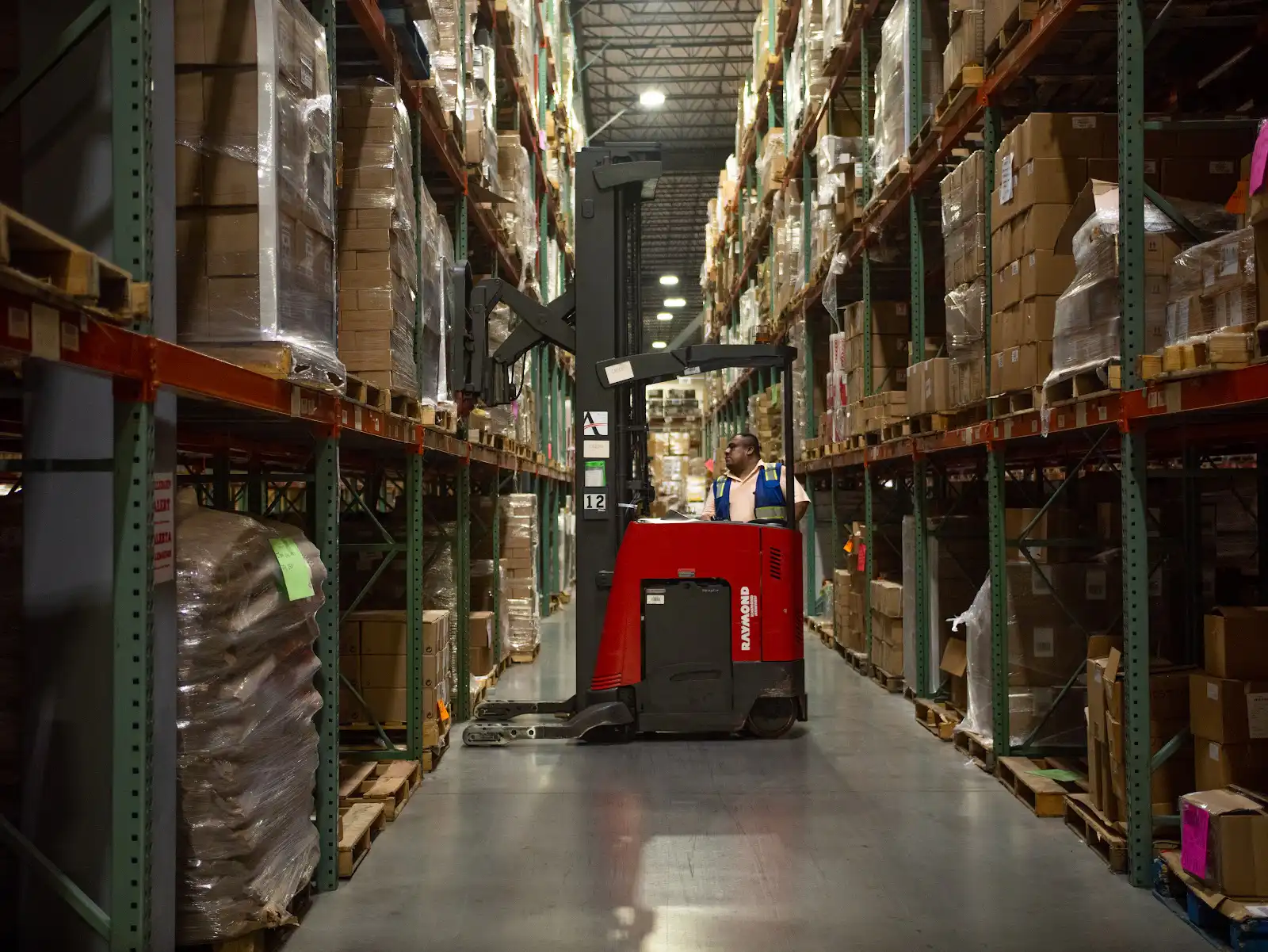
Most ecommerce fulfillment systems are built to keep outbound orders moving, but returns create a different kind of pressure because the inventory coming back into the operation does not move through a clean path on its own.
As return volume grows, more product waits for inspection, condition review, disposition, repackaging, or restocking before it can be used again. That work takes space, labor, and decision-making, and it starts competing with the outbound operation the business depends on every day.
The pressure usually shows up in the middle of the process. Returned product sits longer than expected, temporary staging areas start expanding, and teams touch the same inventory more than once before it can move back into available stock.
As that pattern repeats, returns begin to affect more than the reverse logistics workflow. Inventory availability becomes less reliable, labor gets pulled into extra handling, and outbound teams start working around product that should be usable but has not cleared the returns process yet. Because of this, the cost is not limited to processing the return. It also shows up in delayed inventory, added handling, and less reliable availability.
What changes when ecommerce returns logistics are built to scale.
Returns are easier to manage when the system is built to move returned product back into the operation without relying on people to keep solving the same issues manually.
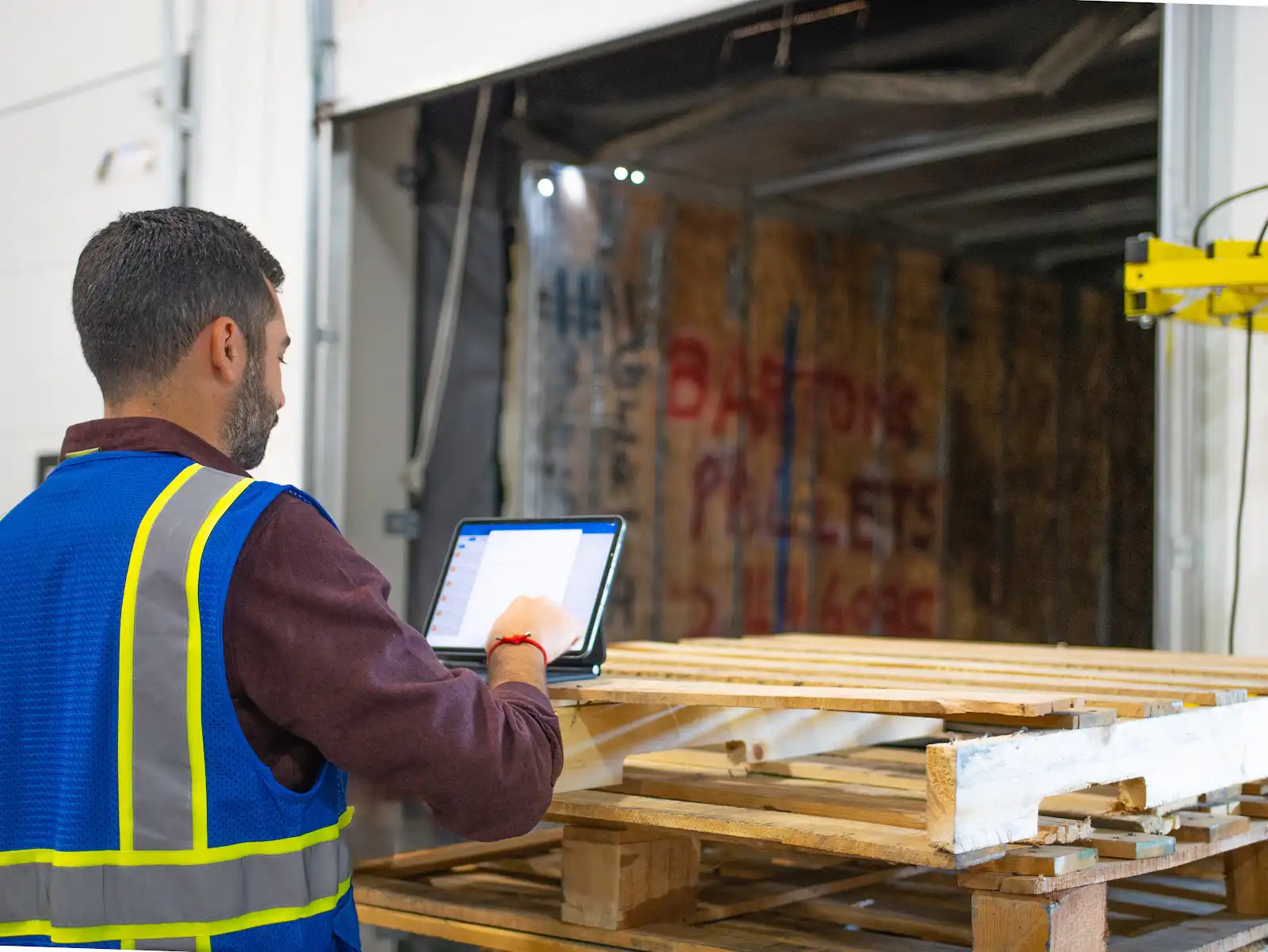
When you structure your process this way, returned inventory follows a clear path for inspection, disposition, inventory updates, and restocking, so products don’t sit in temporary stages longer than needed. Teams know what can move back into available inventory, what needs review, and what should be removed before it creates more handling or confusion.
That structure matters more as brands grow across more channels and product lines. Higher return volume puts more pressure on labor, space, and inventory accuracy, and the system has to absorb that pressure without slowing outbound fulfillment or creating more cost around every returned item.
When returns are structured this way, the operation has a better chance of protecting margin, keeping inventory more accurate, and preventing returns from becoming a hidden drag on fulfillment performance.
If your team is reworking how returns move through the operation, a documented SOP can help clarify where returned product should go, who reviews it, how disposition decisions are made, and when inventory should be updated.
You can use this returns SOP as a starting point for reviewing whether your current process is still supporting the volume and complexity of your operation. If returns are creating more cost or inventory pressure than expected, a discovery call can help identify where scalability is breaking down and what is driving it.
At IDS Fulfillment, we deliver accurate, scalable fulfillment solutions that help mid-sized ecommerce and multi-channel brands succeed across the U.S. From omnichannel order fulfillment to returns processing, our experienced team combines flexible logistics systems with real-time visibility to protect your customer experience and support growth. Backed by decades of operational expertise and powered by DHL Supply Chain’s infrastructure, IDS helps businesses scale with confidence, control costs, and meet delivery expectations every time.