


A common issue emerges on the profit and loss statement once a brand moves past $25M in revenue.
Order volume is increasing, and the top-line numbers show clear growth, but the margin per order is shrinking. For most eCommerce brands, the standard financial model assumes that higher volume creates operational efficiency, bringing the average unit cost down.
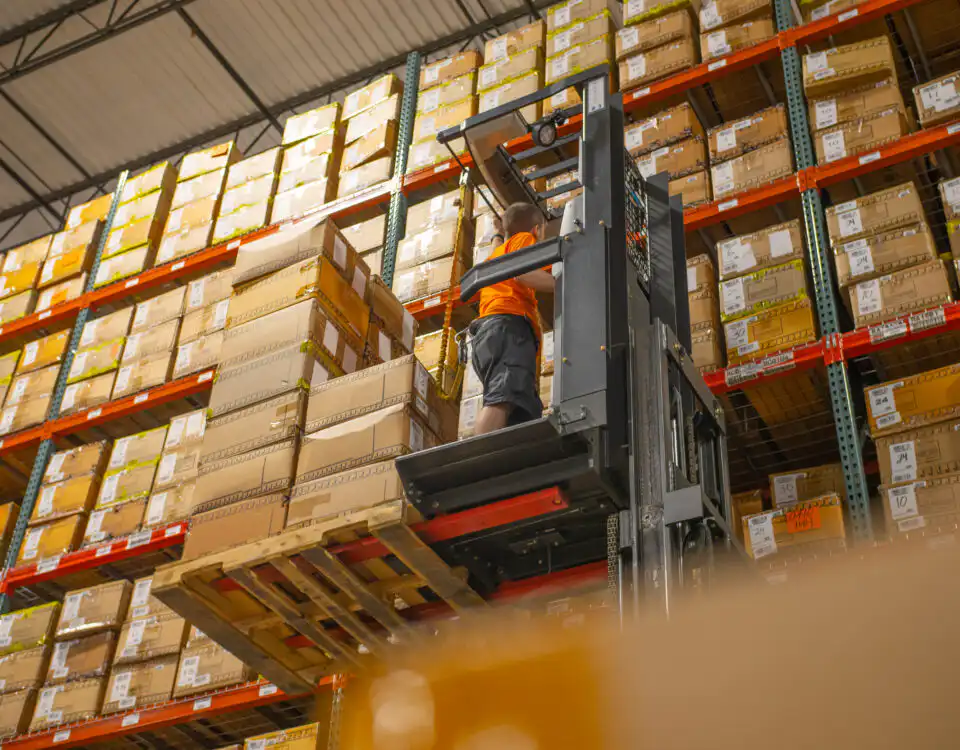
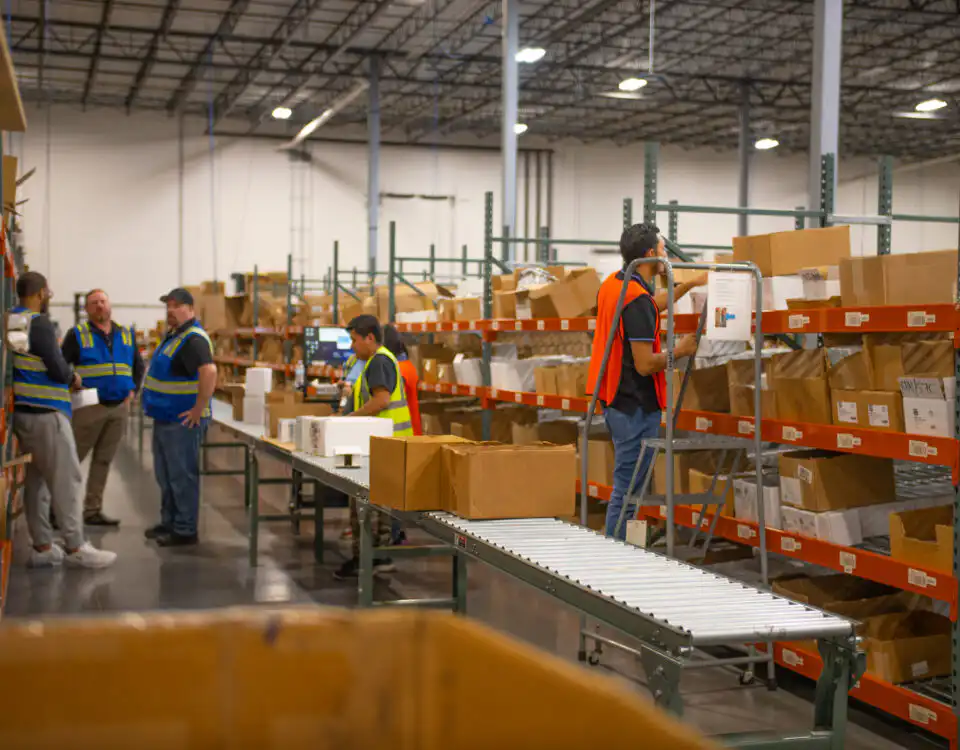
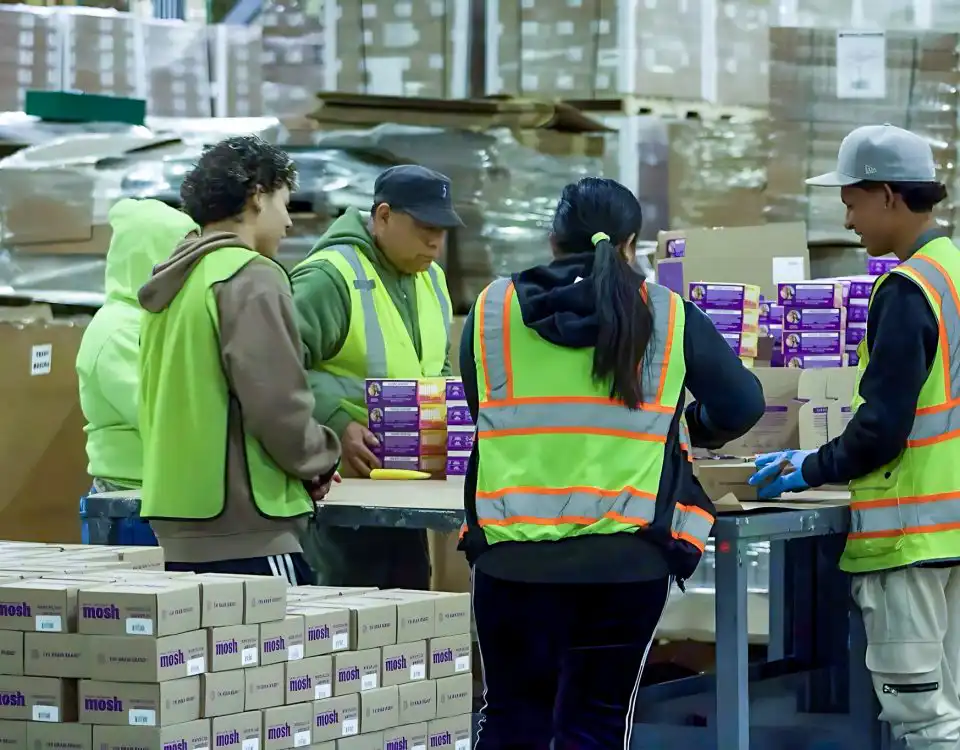
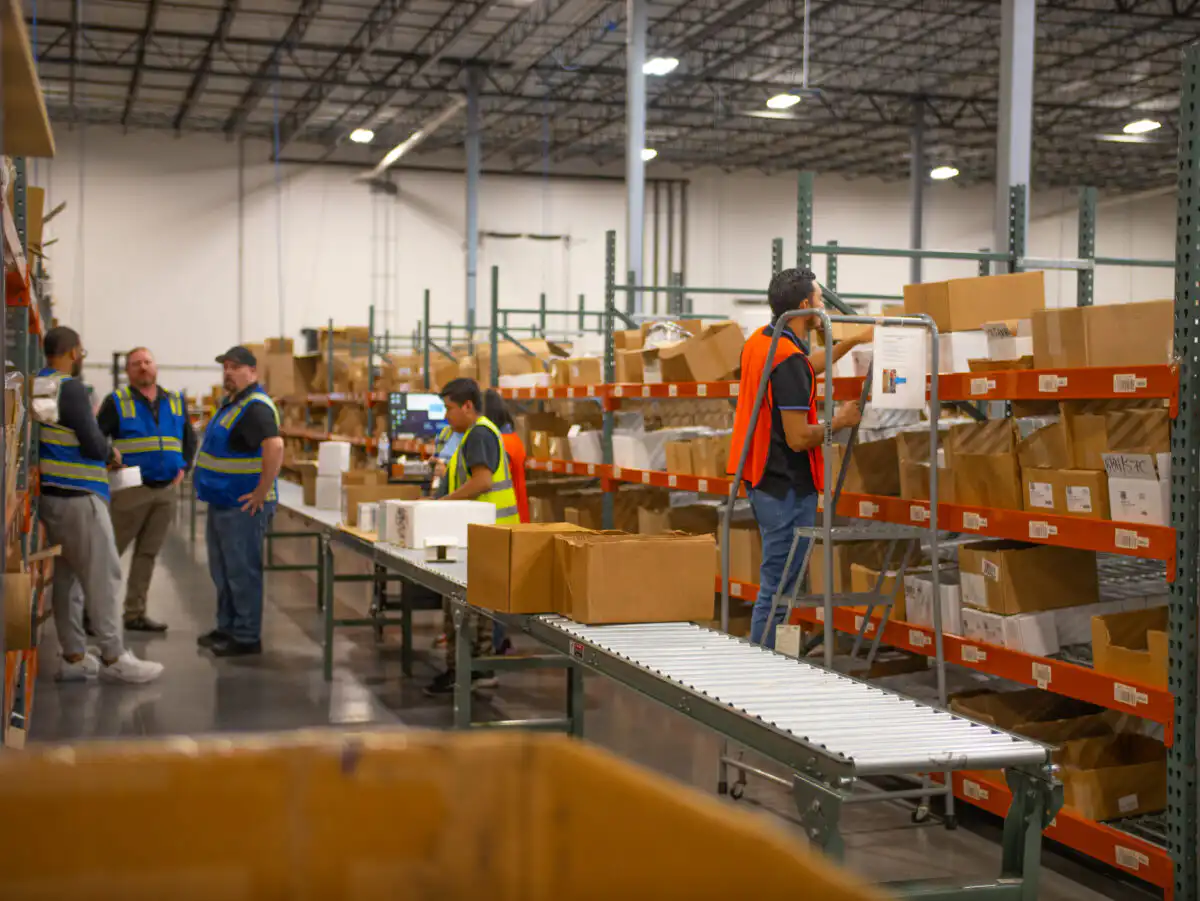
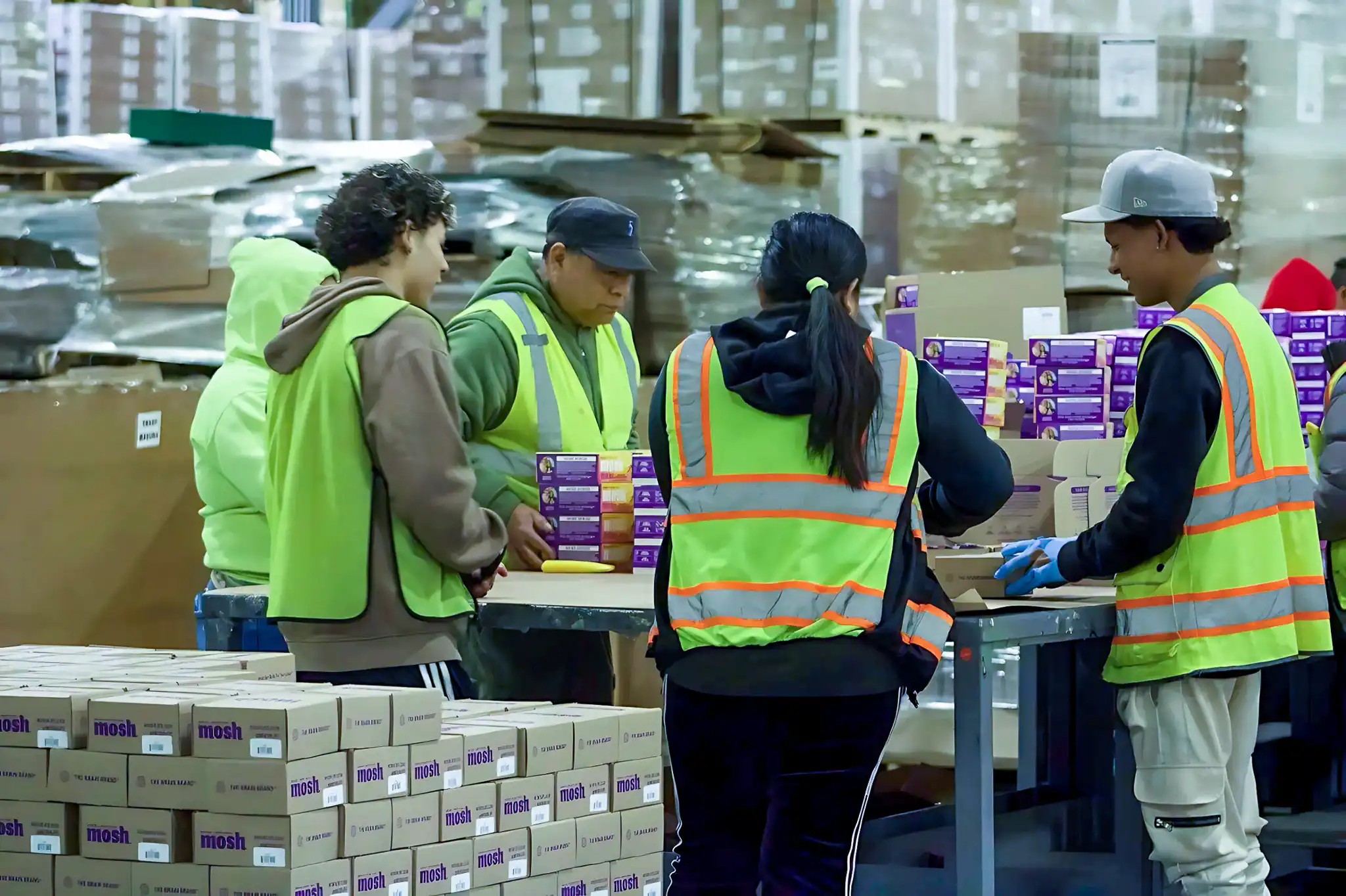
When fulfillment costs climb at the same rate as sales or outpace them entirely, the problem is rarely driven by a sudden increase in carrier base rates. The margin loss usually stems from an accumulation of extra handling touches, process friction, and manual interventions occurring inside the warehouse long before a parcel is staged for carrier pickup.
Table of Contents
- Growth adds work the original fulfillment process was not built to absorb.
- Labor costs start drifting into correction and follow-up.
- Inventory and storage costs rise when product doesn’t move cleanly.
- Fulfillment costs become harder to control when the business reacts instead of understanding the cause.
- Cost control starts by identifying where the operation is getting messy.
Growth adds work the original fulfillment process was not built to absorb.
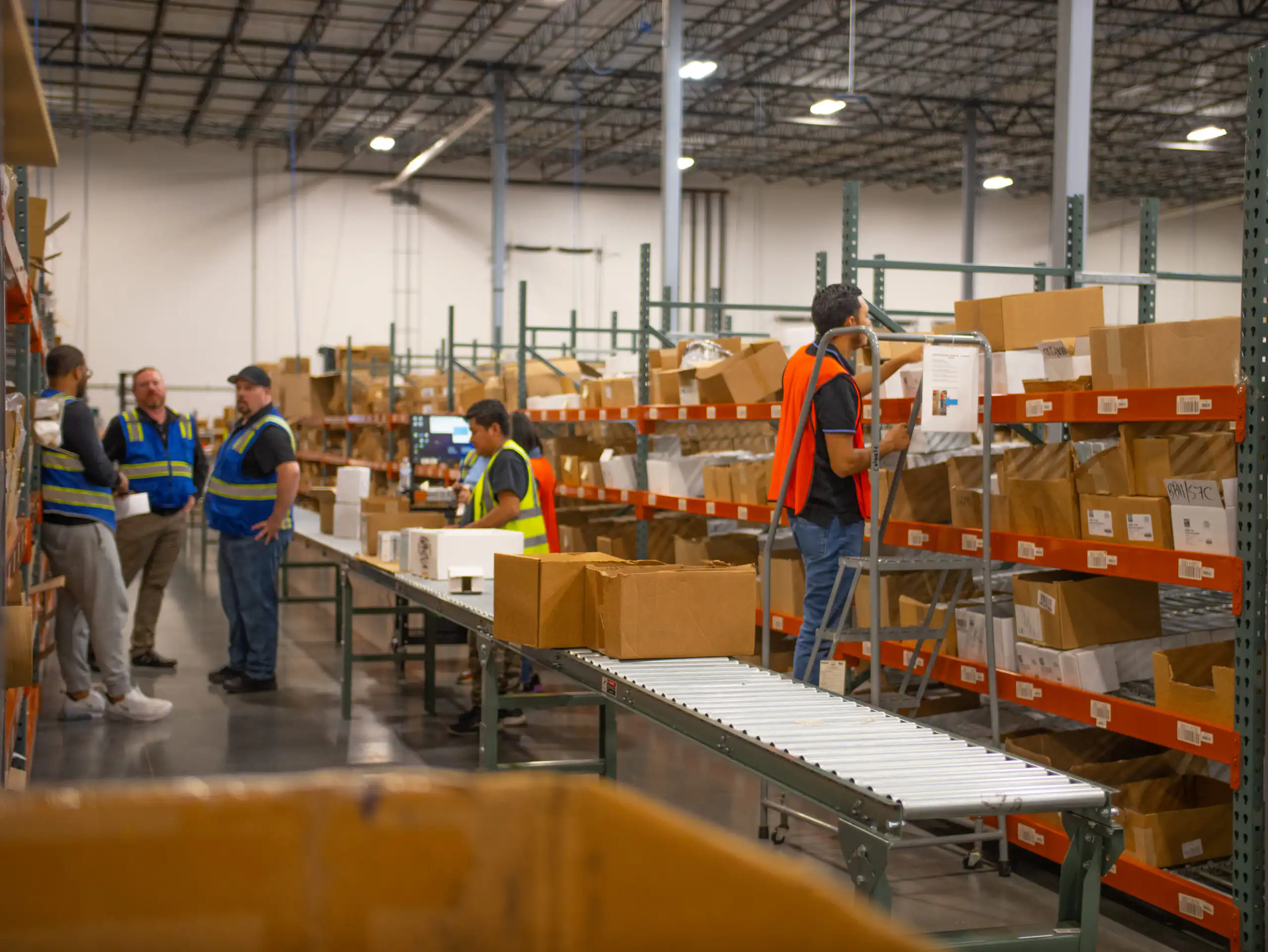
A warehouse workflow built for lower volume frequently depends on manual workarounds to bridge communication gaps between the order management software and the warehouse floor. When volume scales to twenty thousand or fifty thousand orders a month, those minor daily workarounds turn into significant operational constraints.
Higher volume introduces more SKU variations, customized packaging requirements, and a blend of direct-to-consumer shipments alongside wholesale routing rules. If the underlying technology setup cannot route these variables automatically, warehouse operators must step in to make manual decisions for individual orders.
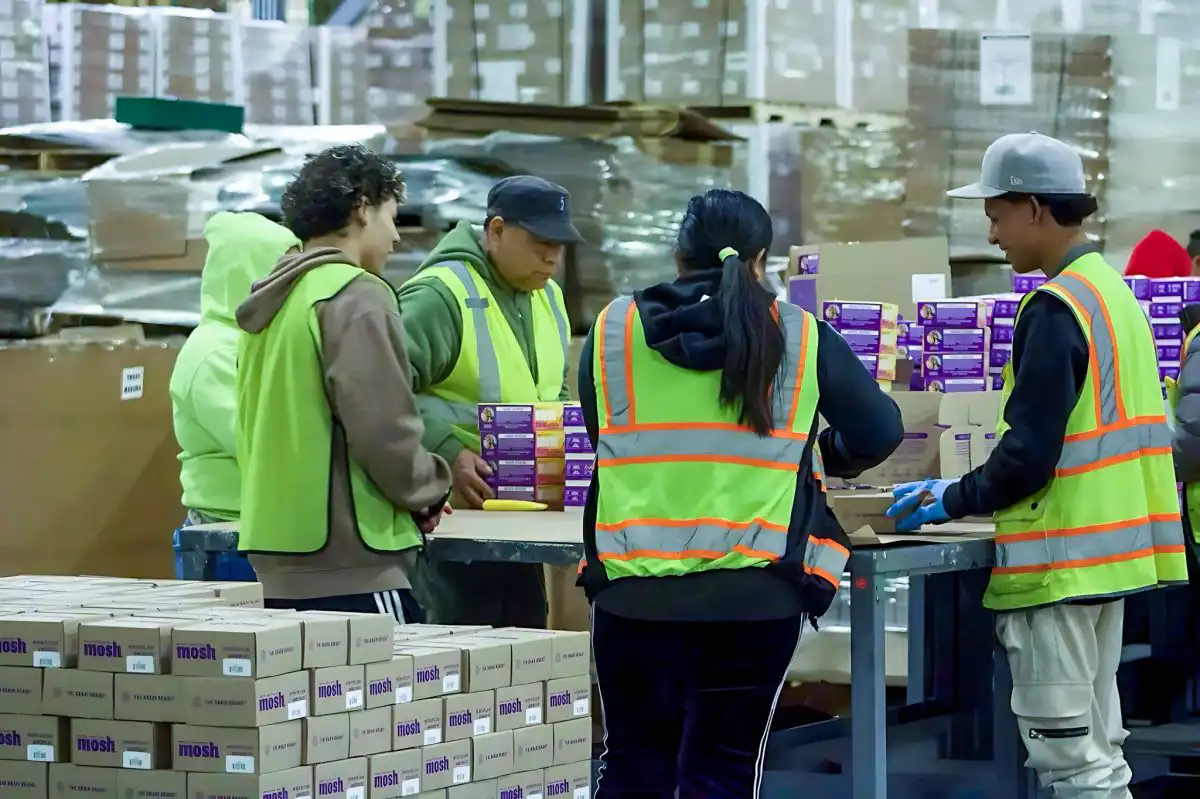
The operation begins absorbing multiple touches per item, which means you pay a variable labor premium just to prevent daily outbound shipping schedules from falling behind.
Labor costs start drifting into correction and follow-up.
The clearest sign of an overstrained fulfillment process is labor drift. In a highly stable environment, warehouse labor hours are spent almost exclusively on predictable inbound receiving and outbound packing execution. When inventory data does not match the physical reality, your warehouse teams spend an increasing amount of time hunting for missing items, performing unscheduled cycle counts, and managing pick exceptions.
This operational drag quickly extends beyond the warehouse floor because internal staff spend hours chasing down inventory status updates, customer service teams are forced to manage order corrections, and the company effectively funds a troubleshooting division to resolve preventable errors. This reactive work consumes significant labor that never appears as a distinct line item on a monthly fulfillment invoice, yet directly reduces gross margins.
Inventory and storage costs rise when product doesn’t move cleanly.
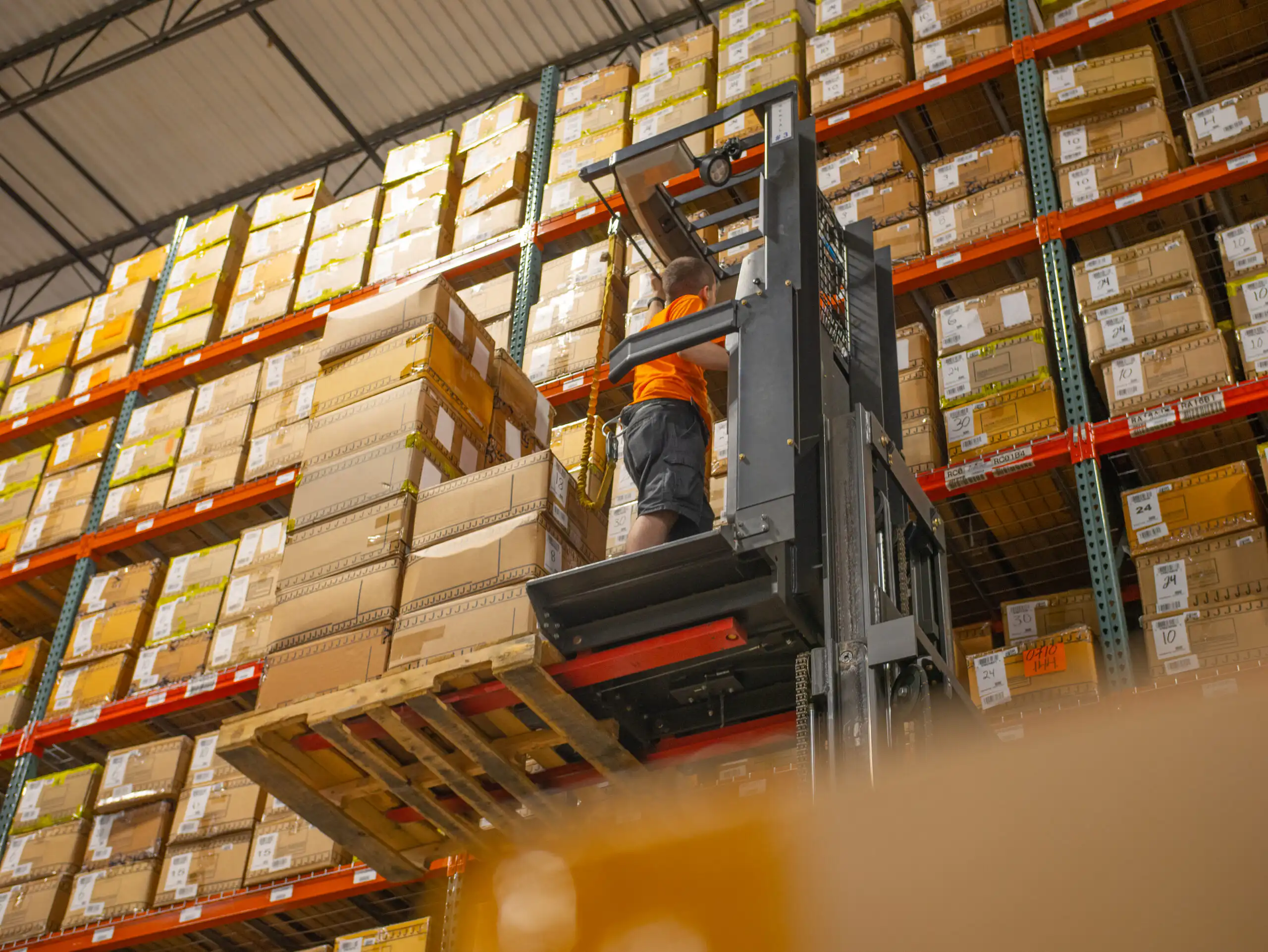
Storage expenses should scale predictably with inventory turnover, but process gaps frequently cause carrying costs to expand out of proportion. When returned merchandise sits in staging areas longer than necessary before inspection, or when slow-moving products occupy high-velocity pick zones, usable inventory availability drops.
To protect your customer experience against these visibility gaps, brands often fall into the trap of ordering excess safety stock. Tying up capital in buffer inventory creates artificial storage pressure, leading to higher monthly warehousing fees for products that aren’t actively converting into revenue.
Fulfillment costs become harder to control when the business reacts instead of understanding the cause.
When financial leaders attempt to rein in rising expenses, the standard response is to renegotiate carrier contracts or demand lower per-unit pick fees. While rate shopping is a necessary exercise, it misses the underlying driver of operational inflation.
Evaluating fulfillment costs strictly through the lens of base rates ignores the systemic inefficiencies that inflate the total cost of operations. Most growing brands list poor communication and operational friction as their primary logistics failures. If a logistics provider operates as a black box where updates must be constantly chased, the internal team spends more time managing the relationship than focusing on growth initiatives.
Cost control starts by identifying where the operation is getting messy.
Stabilizing fulfillment costs requires shifting away from reactive fixes and focusing on structural clarity. Leadership teams must look closely at operational metrics that expose hidden work, such as the exact labor hours dedicated to order exceptions, the precise velocity of returns processing, and the accuracy of real-time inventory availability.
When you pin down exactly where a process requires manual intervention to succeed, you can align the fulfillment framework to handle volume cleanly. Real cost control doesn’t come from cutting corners on execution, but from ensuring that scaling the business no longer makes the daily operation harder to manage.
When fulfillment costs rise faster than revenue, the answer is rarely one fee or one rate. The better question is where the work has become more expensive than it should be. Growth should not require the team to keep adding labor, storage, follow-up, and exception work just to keep orders moving. When it does, the fulfillment process is no longer giving the business the leverage it expected from scale.
If you are worried about your fulfillment costs as you grow, schedule a discovery call to talk through your current setup and challenges. We can help you identify where scalability is breaking down and what is driving it.
At IDS Fulfillment, we deliver accurate, scalable fulfillment solutions that help mid-sized ecommerce and multi-channel brands succeed across the U.S. From omnichannel order fulfillment to returns processing, our experienced team combines flexible logistics systems with real-time visibility to protect your customer experience and support growth. Backed by decades of operational expertise and powered by DHL Supply Chain’s infrastructure, IDS helps businesses scale with confidence, control costs, and meet delivery expectations every time.