

Peak season usually reveals how much of a fulfillment operation depends on stable conditions.
Most peak season plans are built around a volume forecast. Brands share projected orders with their 3PL, expected promotions are added to the calendar, and the operation plans labor and capacity around what Q4 is expected to bring.
The harder part to predict is how the work behind those orders will change once peak begins. A promotion may push more demand toward a small number of SKUs while seasonal inventory is still moving through receiving, or retail volume may increase at the same time DTC orders start climbing. The order forecast may still be close, but the warehouse is doing more work to move each order.
That difference matters because the added work usually comes with a cost. More replenishment, handling, manual decisions, and exception work increase fulfillment costs through labor that was not necessarily reflected in the original forecast. As those fulfillment costs accumulate, a strong sales period can produce less margin than expected even when the fulfillment center technically has enough capacity to handle the volume.
Table of Contents
- The workload behind the forecast matters as much as the number of orders.
- Seasonal inventory can create pressure before outbound volume ever reaches its peak.
- The workarounds you barely notice during normal volume become harder to absorb.
- What happens when peak season demand exceeds the forecast?
- Better visibility gives you more options before a problem becomes expensive.
- Peak season fulfillment shows whether growth is creating the leverage it should.
The workload behind the forecast matters as much as the number of orders.
A higher order count should create some operating efficiency because the fixed work behind fulfillment is spread across more orders. That starts to break down when the mix of work changes at the same time volume increases.
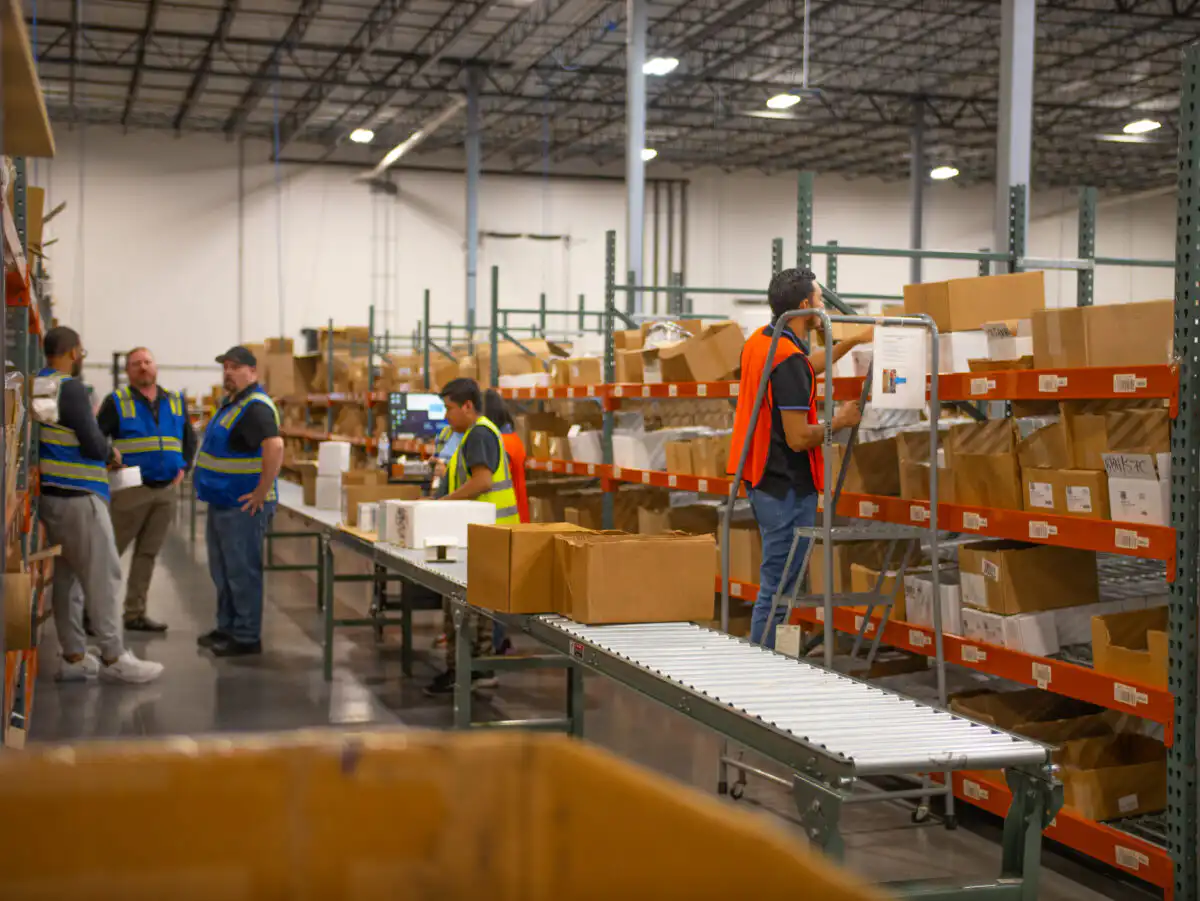
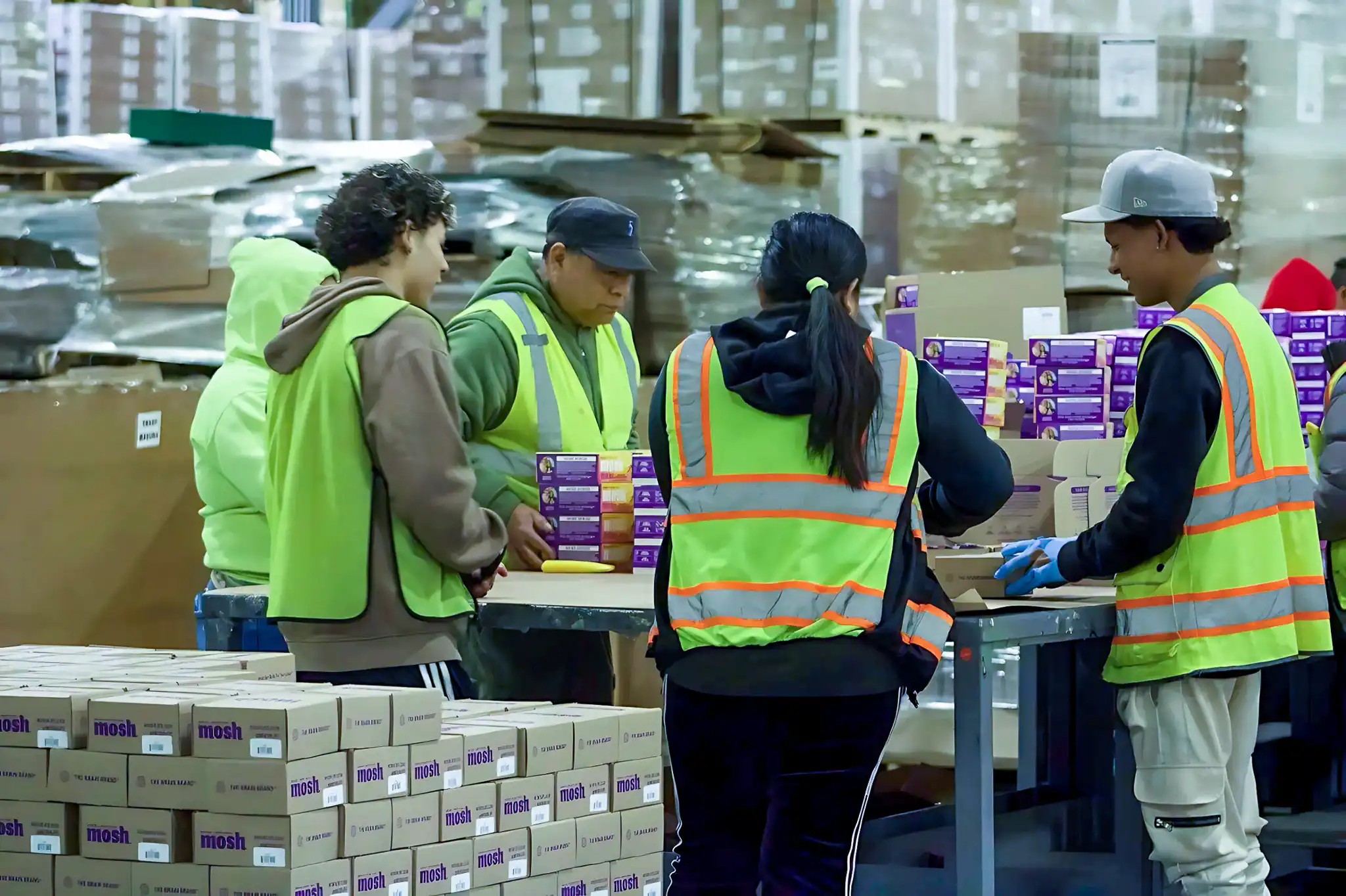
A holiday bundle may require assembly or different packaging, while a concentrated promotion can change pick velocity and replenishment throughout the day. Retail orders bring routing and compliance requirements that don’t exist in standard DTC shipments, and brands selling through Amazon, subscription, marketplace, and wholesale channels often have several of those workflows moving at once.
The additional work is easy to underestimate because it doesn’t always appear in the sales forecast. It shows up later through more labor hours, additional touches, exception handling, and the time required to keep different order types moving through the same operation.
When those costs rise along with volume, the business loses some of the efficiency it expected from growth.
Seasonal inventory can create pressure before outbound volume ever reaches its peak.
For inventory tied to a launch or promotion, the important date is when the product becomes available for orders. Arrival at the warehouse is only one part of that timeline because receiving, inspection, putaway, and inventory updates still have to happen before the product enters normal fulfillment flow.
The tighter that window becomes, the fewer options the business has when something changes. A late inbound shipment may leave less time to replenish forward pick locations, while a receiving backlog can delay product availability even though the inventory is physically inside the building.
Brands often compensate by carrying more safety stock or moving inventory earlier than they otherwise would, which increases carrying and storage costs. If the delay reaches the sales window, the cost can extend into expedited transportation, missed promotional demand, or internal teams spending time trying to reconcile what inventory is actually available.
Peak season fulfillment planning needs to account for how quickly inbound inventory becomes usable because the cost of a delay grows as the sales window gets shorter.
The workarounds you barely notice during normal volume become harder to absorb.
Most fulfillment operations develop a few manual processes over time. An inventory discrepancy gets checked outside the normal workflow, a spreadsheet fills a gap between systems, or someone reviews a particular order type before it reaches the warehouse floor. At normal volume, the extra work may feel small enough to live with, but once volume rises, the same process repeats often enough to change the economics behind it.
The cost often continues outside the warehouse when an order error leads to a reship, additional parcel expense, customer service time, a return, or a retail chargeback. A small process gap that was manageable for most of the year can take a noticeable amount of margin out of peak volume once it starts happening more often.
What happens when peak season demand exceeds the forecast?
Even a well-built Q4 forecast will move as promotions perform above plan, one SKU becomes a larger share of sales, retail demand changes, or inventory reaches the warehouse later than expected.
Those changes become expensive when the operating plan has little room to adjust. Additional volume may require overtime, temporary labor, premium transportation, or another manual process simply to protect existing service commitments.
A fulfillment operation built for growth should be able to absorb some variation without costs rising at the same rate every time volume moves outside the forecast. The more often the business has to compensate through labor or exception work, the less operating leverage it gains from the additional revenue.
So how do you know whether a fulfillment operation is truly scalable? One useful measure is what the business has to spend when actual demand moves outside the plan. Capacity alone only tells you how much volume the building can process.
Better visibility gives you more options before a problem becomes expensive.
Most growing brands already receive fulfillment reports during peak, but the value comes from seeing changes early enough to make a useful decision.
During peak, timing often determines how expensive a fulfillment problem becomes to correct. A receiving delay identified several days before a promotion leaves time to adjust inventory or sales plans, while the same delay discovered after orders begin accumulating often leads to expedited shipping or lost sales. Inventory imbalances and recurring exceptions follow the same pattern, with the cost and disruption increasing as they begin affecting a larger share of daily volume.
When a problem is caught early, the team has more ways to respond before it affects cost or service. Good visibility helps teams see where inventory, receiving, or order flow is starting to drift so they have time to make a practical adjustment before the issue spreads.
Peak season fulfillment shows whether growth is creating the leverage it should.
A successful Q4 should show whether the fulfillment operation can handle more business without requiring the same increase in labor, handling, correction work, storage pressure, and transportation expense.
When those costs start rising at the same pace as sales, strong peak revenue can hide a fulfillment model that is becoming more expensive to operate.
That is why the most useful peak season fulfillment conversation goes beyond projected orders and available capacity. It looks at how inventory, systems, order complexity, and operating decisions hold up when several parts of the plan begin changing at once.
If Q4 planning is exposing questions about how well your current fulfillment setup will handle higher volume and complexity, schedule a discovery call to talk through the operation and where cost or service issues are showing.
At IDS Fulfillment, we deliver accurate, scalable fulfillment solutions that help mid-sized ecommerce and multi-channel brands succeed across the U.S. From omnichannel order fulfillment to returns processing, our experienced team combines flexible logistics systems with real-time visibility to protect your customer experience and support growth. Backed by decades of operational expertise and powered by DHL Supply Chain’s infrastructure, IDS helps businesses scale with confidence, control costs, and meet delivery expectations every time.