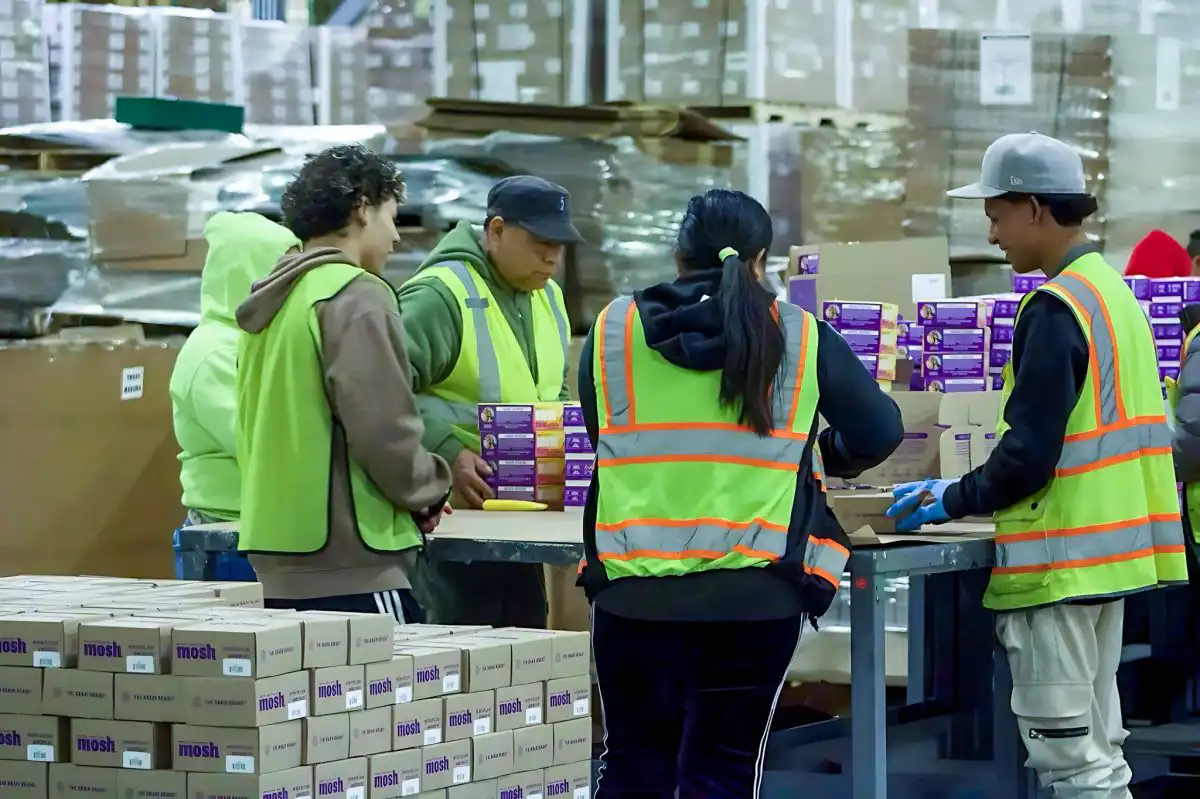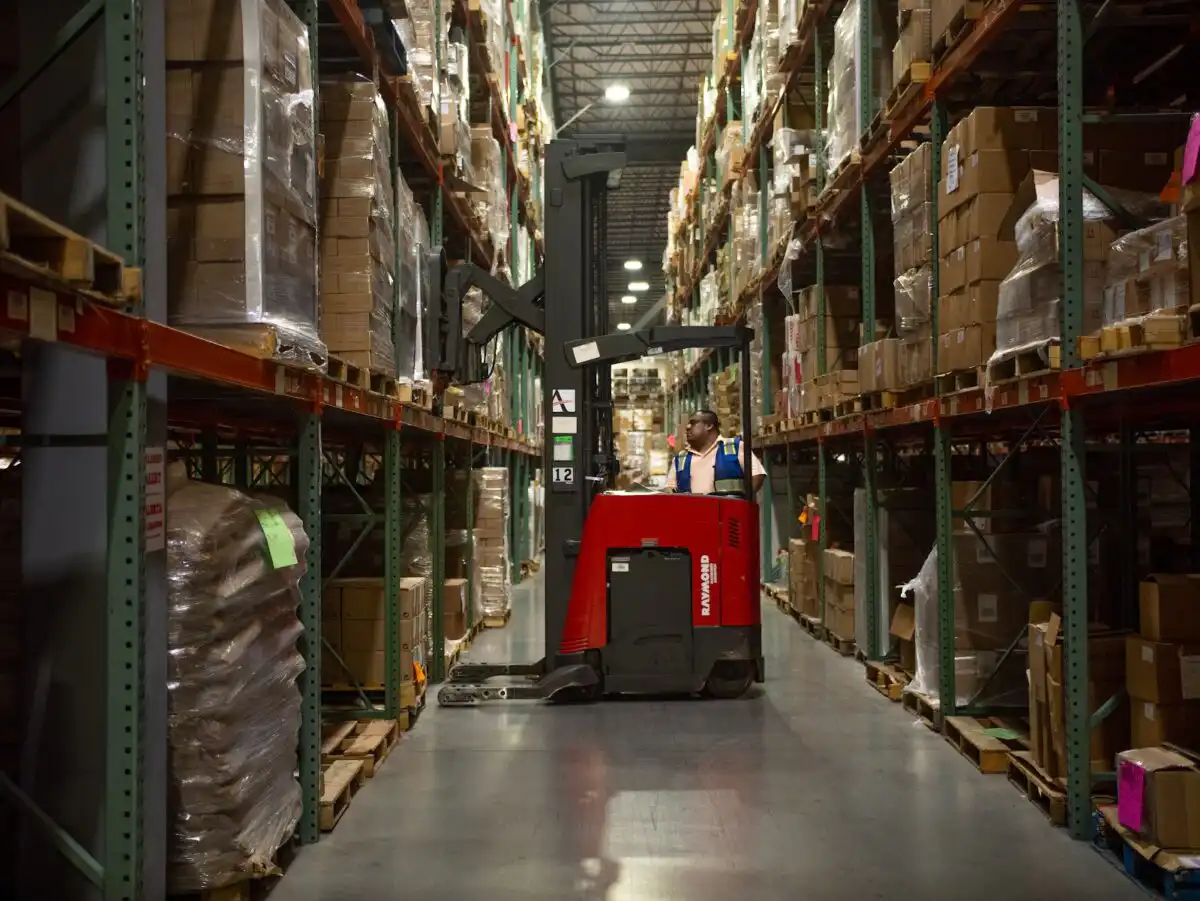
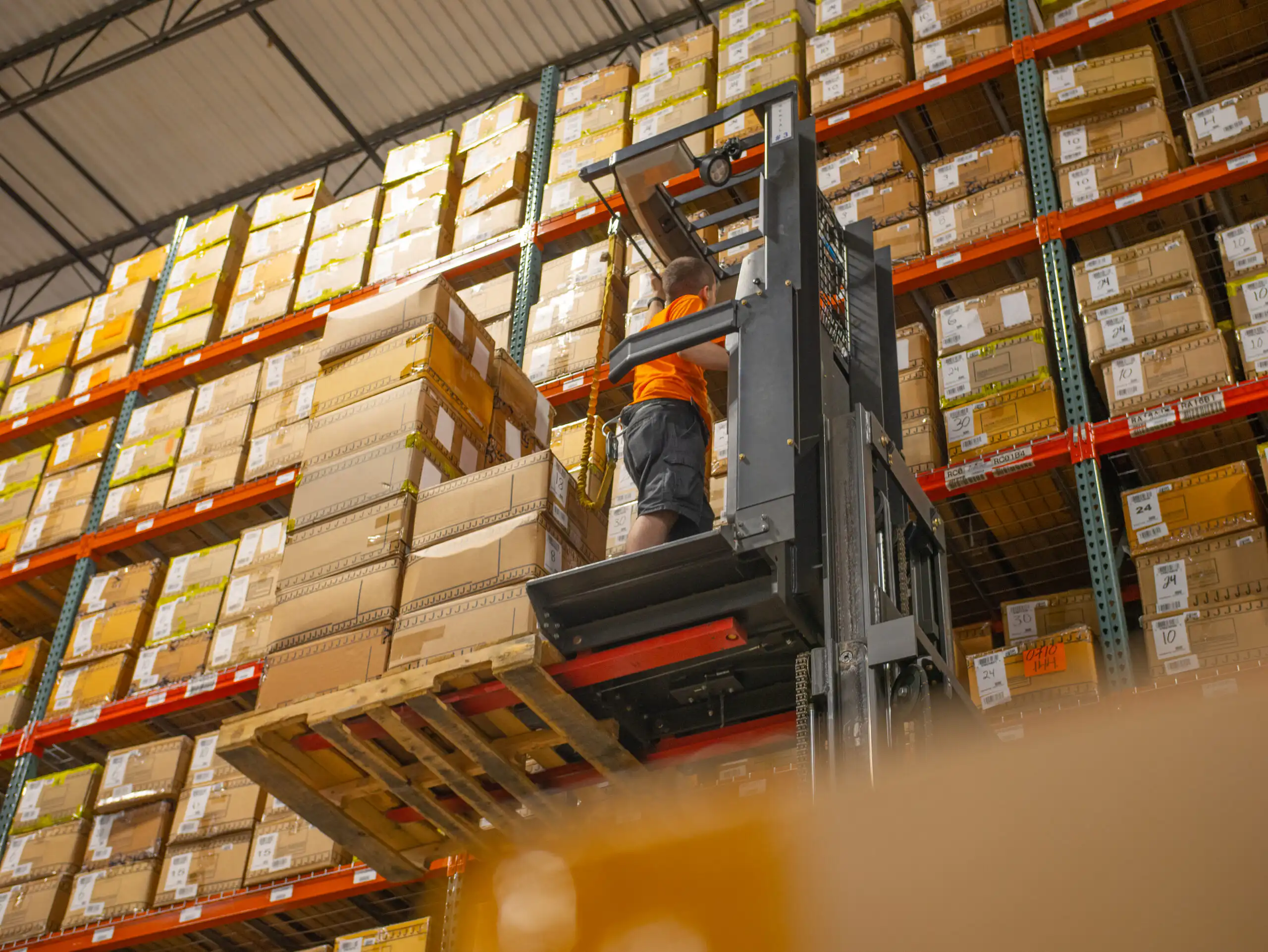
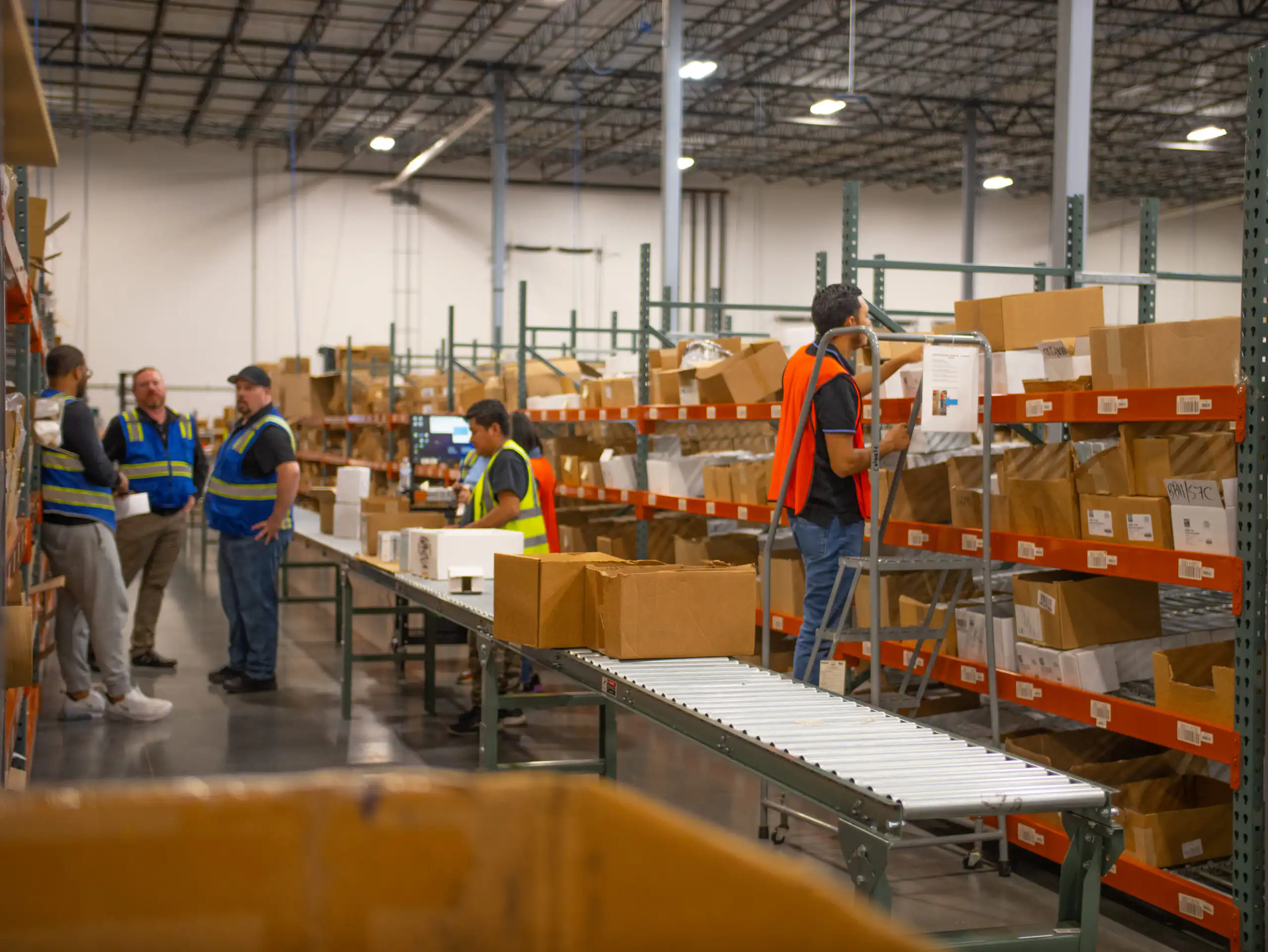
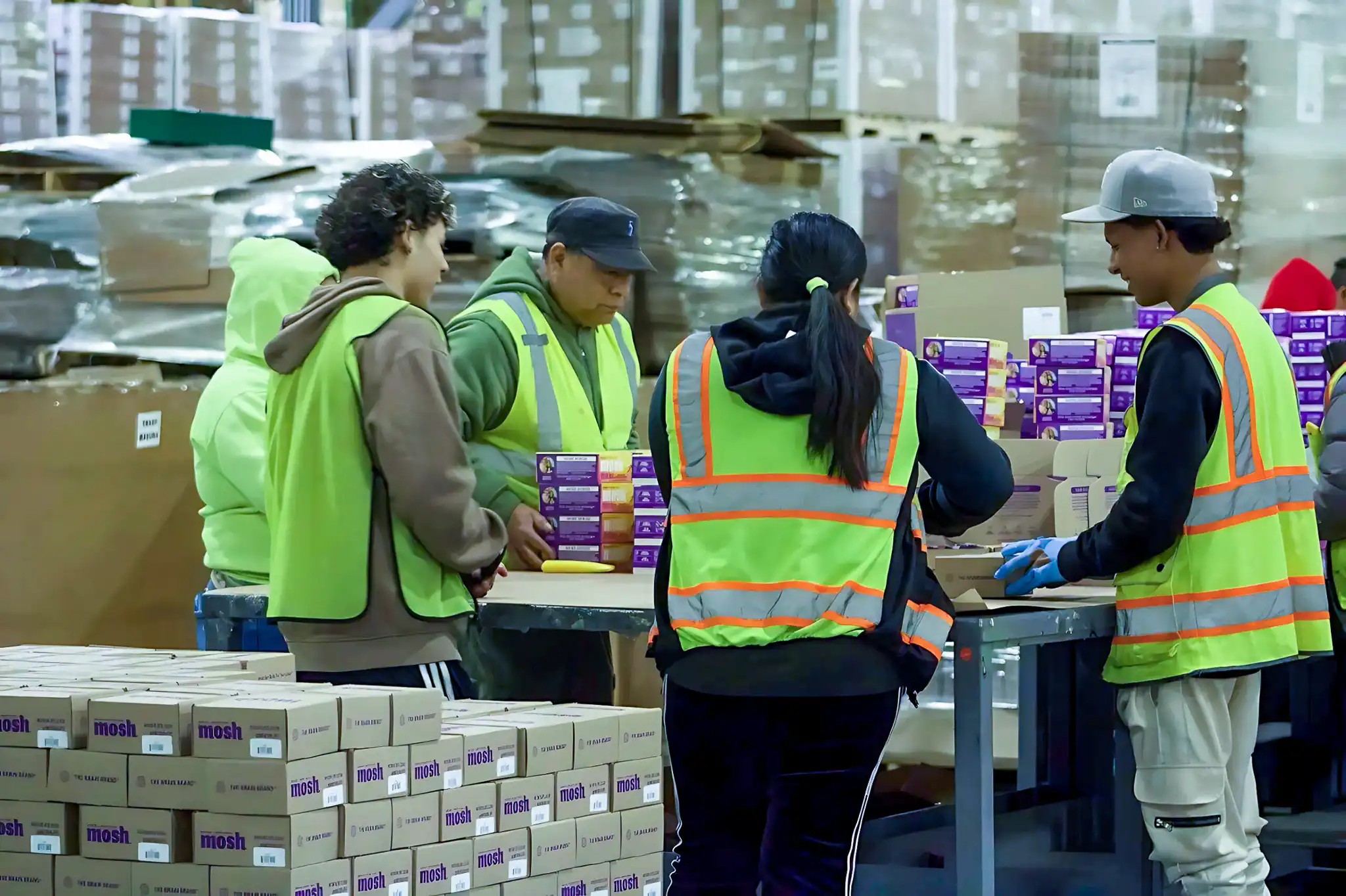



As Q4 activity starts building, some of the first signs of fulfillment pressure show up in the extra work happening around the normal process.
For a growing brand, that extra work is easy to miss because fulfillment doesn’t always fail in an obvious way. Orders may still ship on time and inventory accuracy may still look acceptable, even while more people are spending time resolving exceptions, verifying information, or coordinating around processes that no longer fit the business as cleanly as they once did.
That matters because ecommerce fulfillment costs rarely increase for one obvious reason. More often, it develops through small amounts of added work spread across the operation. A process that takes a few extra minutes here, requires another person there, or creates more customer service involvement after the shipment leaves the building may not seem significant on its own. But as those issues repeat across more orders, the business starts spending more to support the same level of service.
For brands entering the heavier part of Q4, this is a useful time to look at where the added eCommerce fulfillment costs are already showing up and what is creating it.
Why eCommerce fulfillment costs change as your business grows.
For most growing brands, higher order volume is usually expected to create some operational savings because the fixed work behind fulfillment gets spread across more shipments, which should improve efficiency as the business grows.
However, in our experience, margins start to decline when growth also changes the mix of work moving through the operation.
A brand that adds retail, marketplaces, subscription programs, or more promotional activity is asking their current fulfillment setup to support more variation around the same inventory and order flow. That variation affects how much handling, coordination, and decision-making sits behind the order, even when total volume is increasing.
This is one reason revenue growth and margin improvement don’t always move together.
You may be shipping more orders while the cost to serve them is increasing because more of those orders require additional attention. That cost may appear through labor, special handling, reships, chargebacks, premium parcel, or internal time spent fixing issues after the fact.
Looking only at total eCommerce fulfillment costs makes this hard to see because spend should rise as the business grows. A more useful view is whether the manual effort required to support each part of the business is changing along with the volume.
Cost per order does not always tell the full story.
Cost per order is useful, but it can hide where complexity is becoming expensive. For example, two order types may carry a similar fulfillment charge while creating very different demands on the operation. One moves through the standard workflow cleanly, while another requires more exception handling, more inventory verification, or more follow-up outside the warehouse.
Those additional costs are not always clearly laid out because a fulfillment issue might create warehouse labor first, then another parcel charge when an order is reshipped, followed by customer service time and possibly a refund or concession. By the time those expenses reach different parts of the business, the connection back to the original process gap is easy to miss.
This is where looking at cost to serve by channel, order type, or recurring exception becomes more useful than looking at the average alone.
If one part of the business consistently creates more correction work or management attention, the margin on those orders may be weaker than the headline numbers suggest. Understanding that difference gives operations and finance a better view of where fulfillment is supporting growth efficiently and where complexity is beginning to consume it.
Your fulfillment partner should be able to help explain what is driving that difference. If exception work is increasing, the conversation should include where it is coming from, which order flows are creating more manual effort, and whether the added cost is tied to a temporary condition or a process that will continue getting more expensive as volume grows. That context helps you decide whether the issue requires a short-term adjustment or a change to the fulfillment setup itself.
Repeated manual work usually points to something underneath it.
Manual work is part of every fulfillment operation. The useful distinction is whether the work is occasional or tied to the same issue over and over.
A recurring workaround usually exists because the process underneath it never fully adapted to a change in the business.
That change might involve how inventory moves between systems, how a particular channel releases orders, or how information gets passed between the brand and the fulfillment operation. The specific workaround matters less than understanding why people keep having to step outside the normal process to get the work done.
This is where you get more value from asking what keeps creating the intervention rather than whether the intervention itself is manageable.
If the same issue is resolved ten times a week, the labor associated with those ten fixes is only one part of the cost. The larger question is what happens as the business grows and that same condition appears twenty or thirty times instead. This is why having a fulfillment partner that looks beyond traditional setups will help you maximize your margins, no matter what channels you’re using.
Look at what is getting more expensive as the business grows.
When teams keep catching the same fulfillment issues manually, the cost usually appears first in labor and management time. Once the workaround fails, that cost starts reaching the customer through service recovery, delays, or order problems.
For a brand processing more orders without seeing the margin improvement it expected, eCommerce fulfillment costs deserve a closer look. Consider where exception work, manual intervention, and correction costs are increasing faster than volume. If the same process keeps requiring extra attention, it is likely becoming part of the cost of supporting growth.
That also gives you a more useful conversation to have with your fulfillment partner. The goal is to understand which manual processes are temporary, which have become part of normal operations, and what they are costing as volume increases.
If Q4 activity is exposing issues within your fulfillment process, schedule a discovery call to talk through what to evaluate as your business grows.
At IDS Fulfillment, we deliver accurate, scalable fulfillment solutions that help mid-sized ecommerce and multi-channel brands succeed across the U.S. From omnichannel order fulfillment to returns processing, our experienced team combines flexible logistics systems with real-time visibility to protect your customer experience and support growth. Backed by decades of operational expertise and powered by DHL Supply Chain’s infrastructure, IDS helps businesses scale with confidence, control costs, and meet delivery expectations every time.