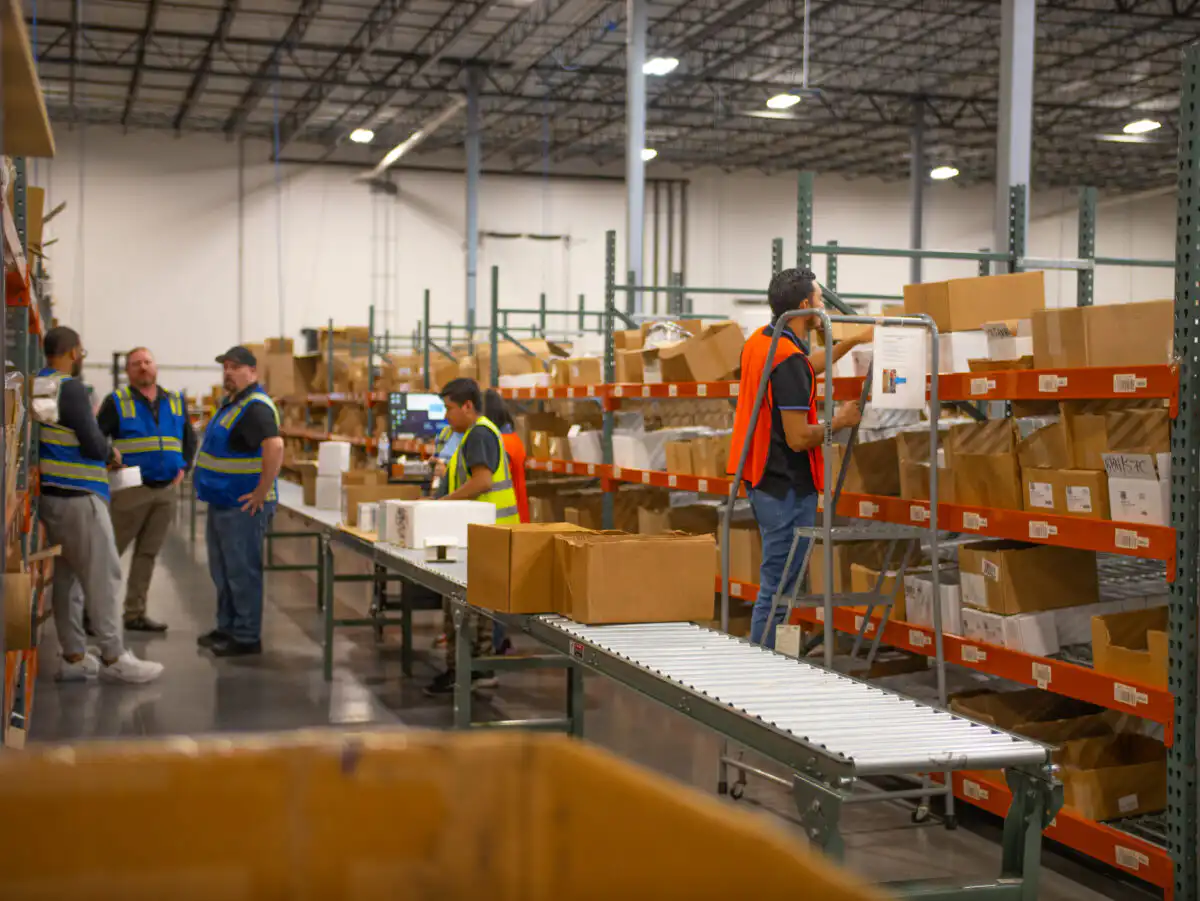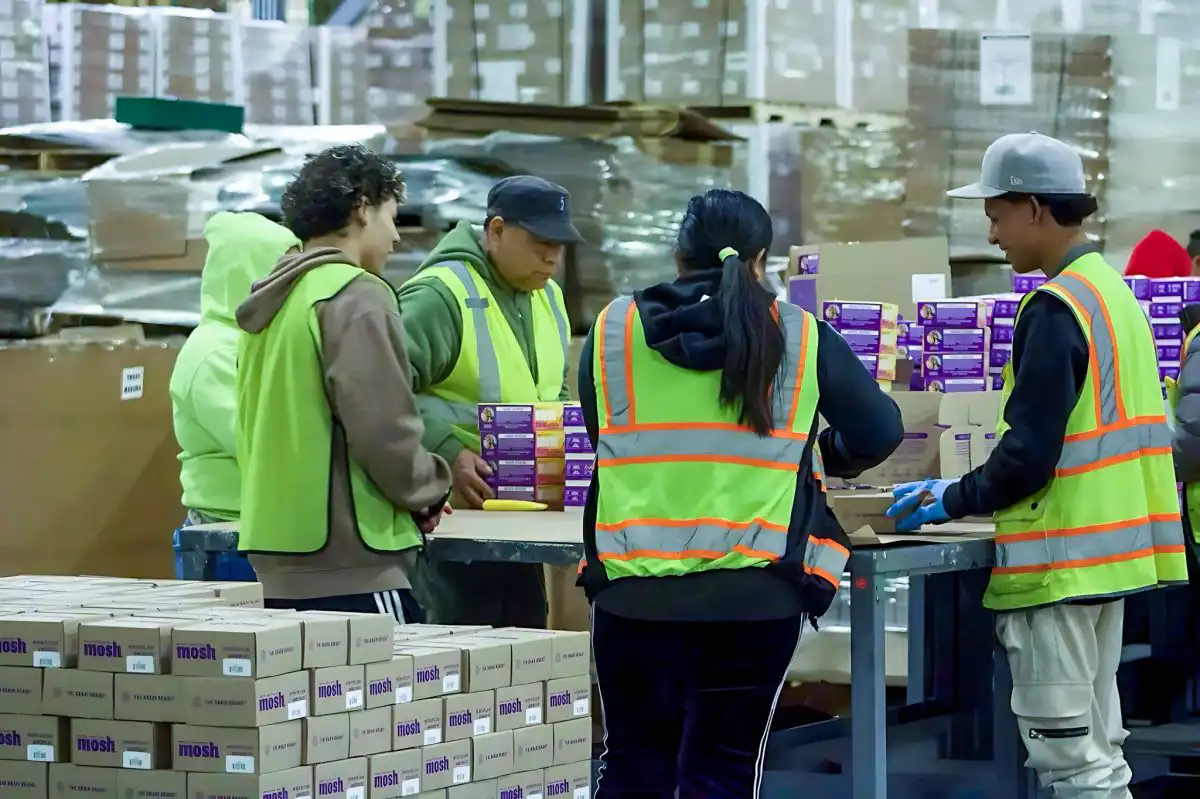
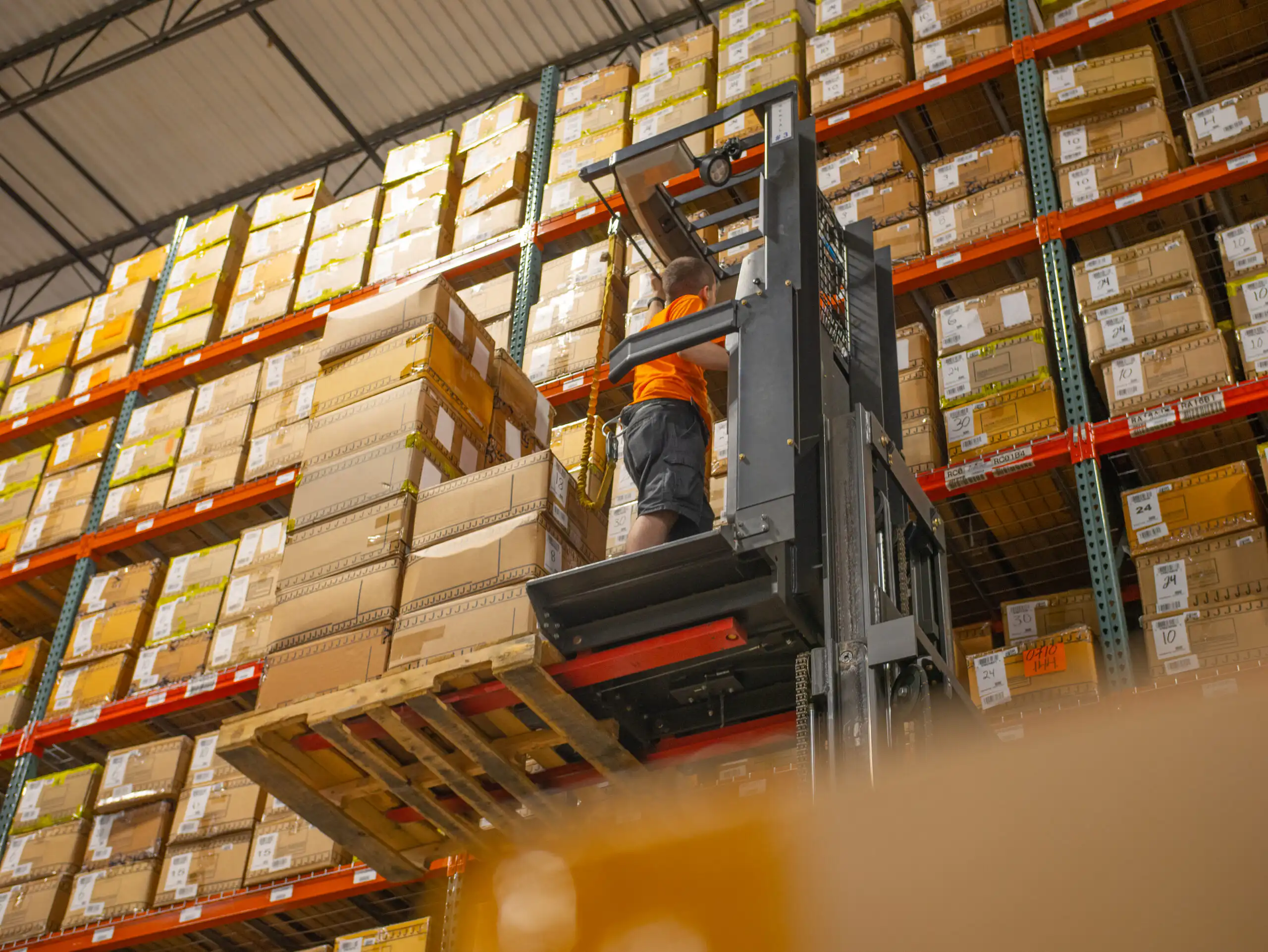
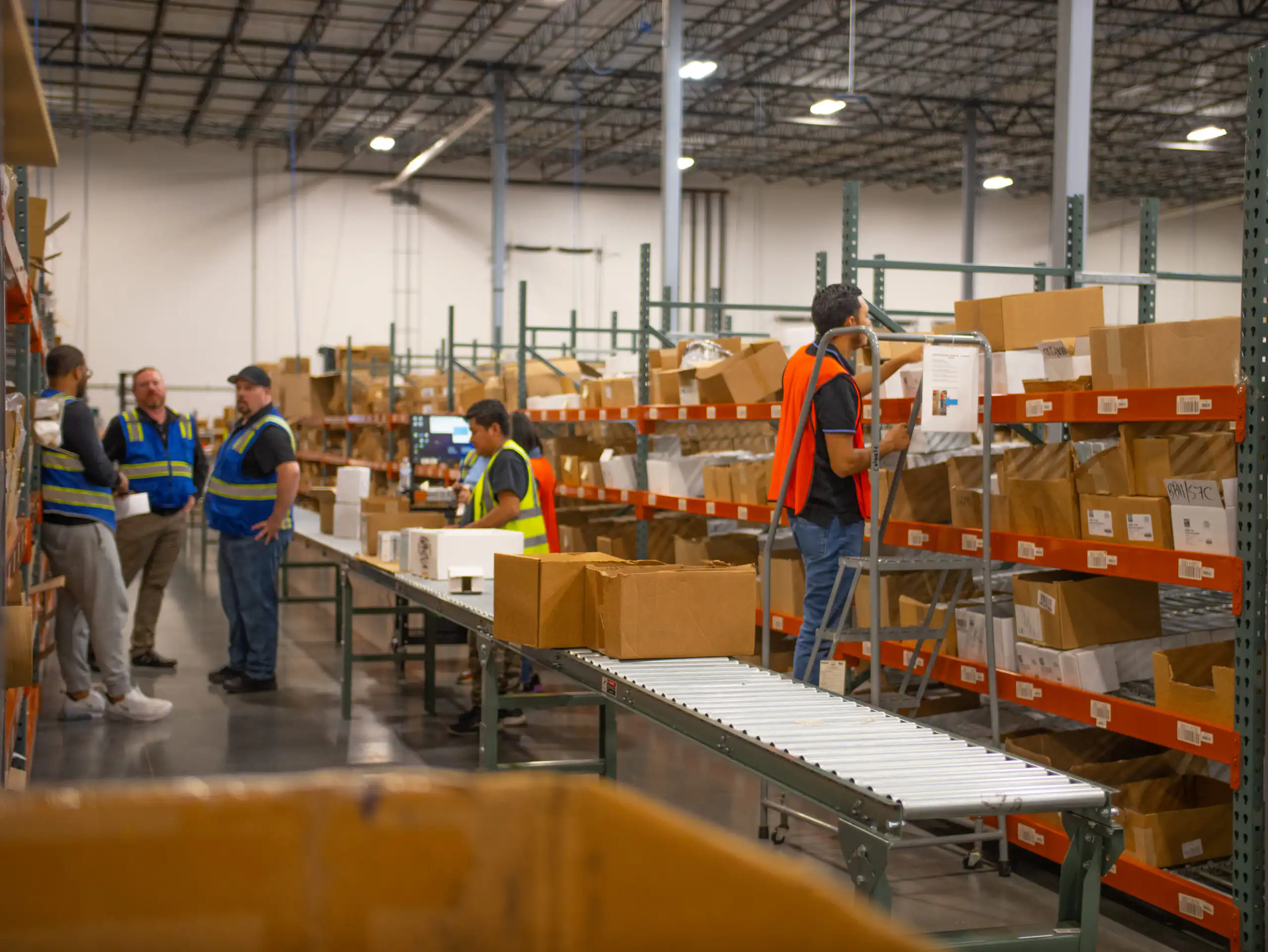
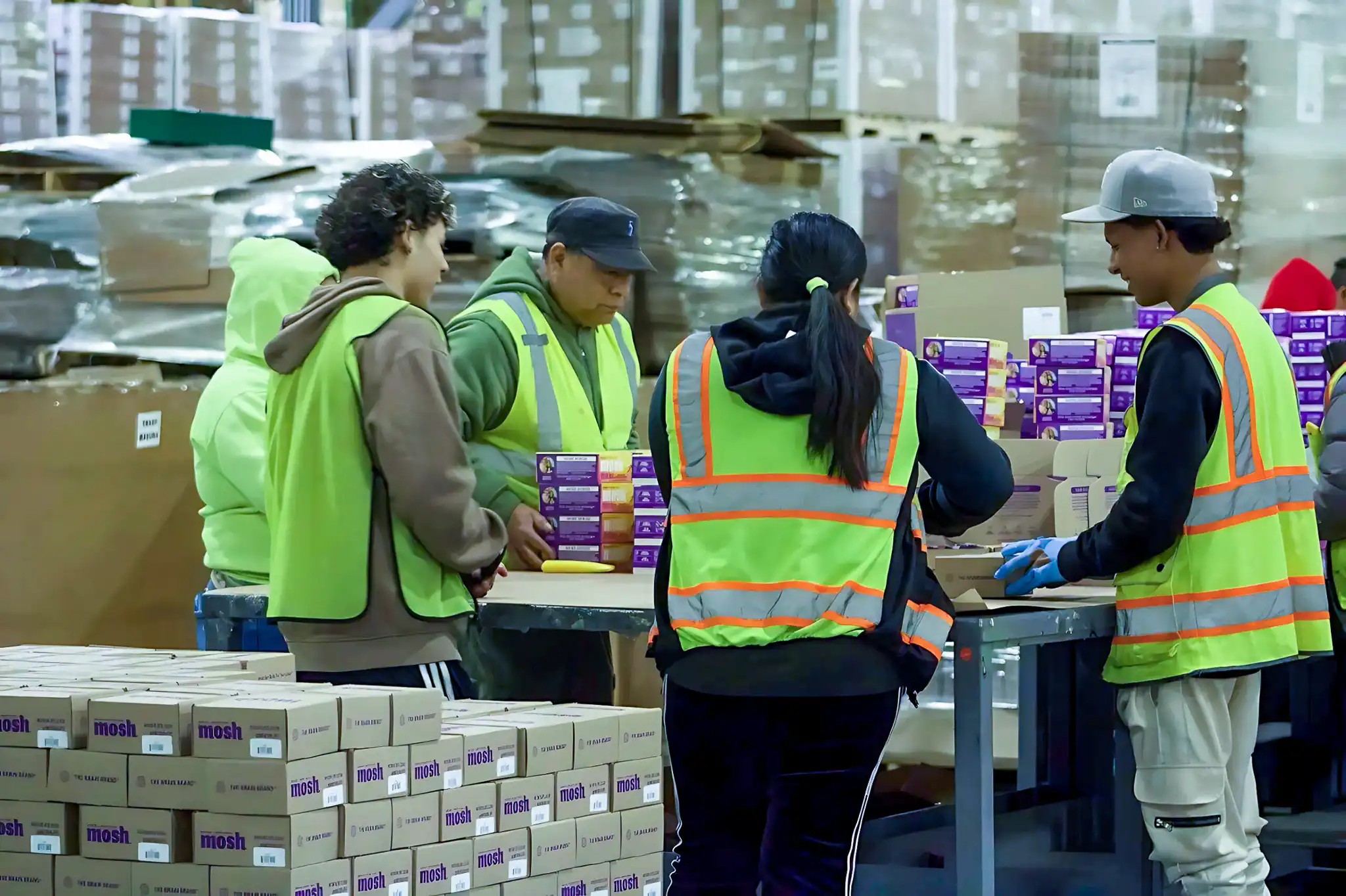




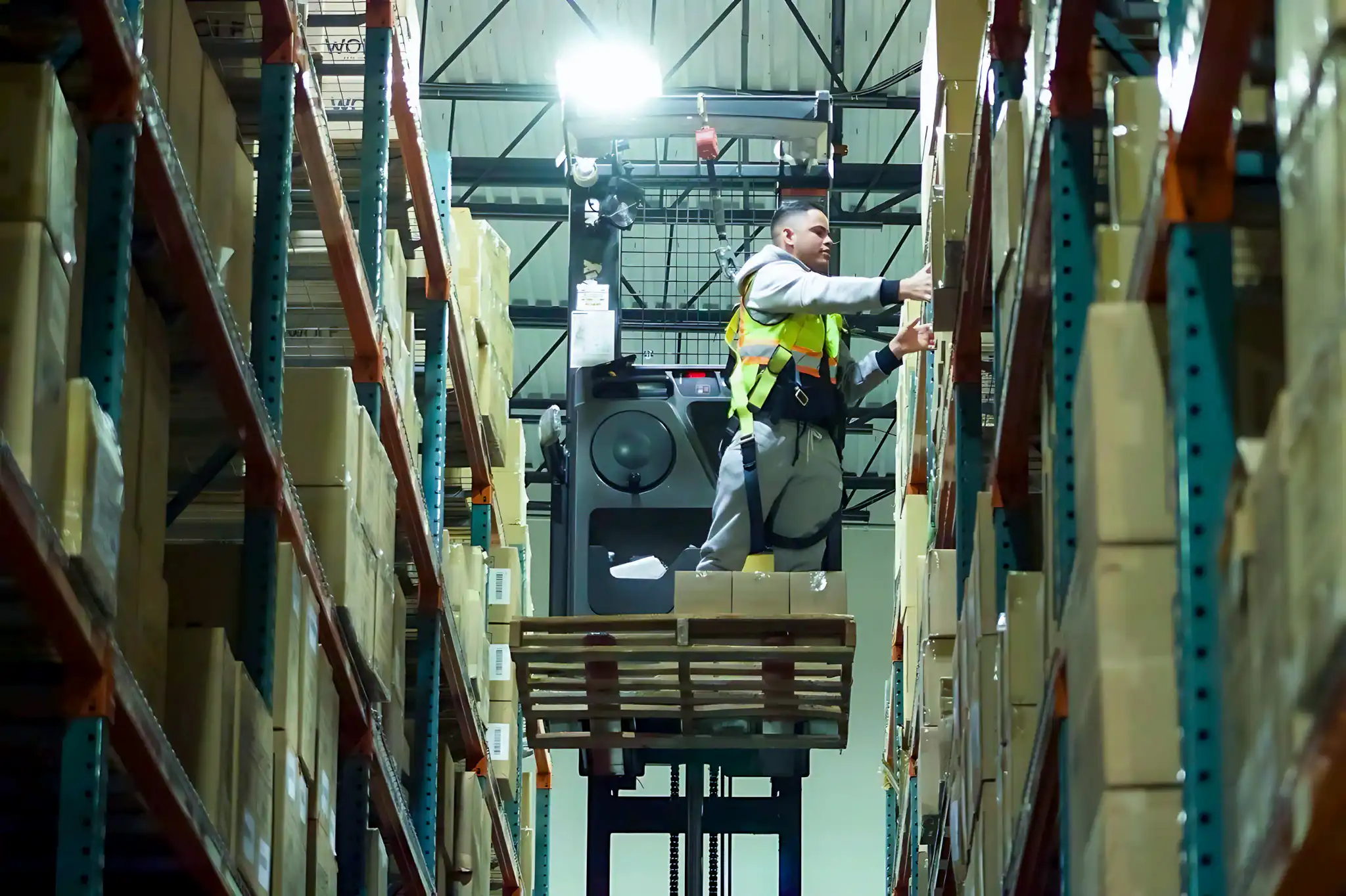
Most beauty brands don’t realize returns are affecting warehouse performance until inventory recovery slows down and more labor starts getting pulled into handling returned product instead of supporting outbound fulfillment.
Basic fulfillment can keep outbound orders moving, but cosmetic returns processing creates a different requirement. Beauty products move through shorter launch cycles, tighter inventory windows, and higher SKU variability, which leaves less room for returned inventory to remain disconnected from active demand.
As return volume increases across launches, promotional campaigns, subscription programs, and retail channels, the warehouse begins carrying more returns-related work than the original workflow was built to absorb. Space tightens, inventory handling expands, and more labor shifts toward inventory recovery instead of maintaining outbound flow.
Once that pattern takes hold, cosmetic product returns begin affecting inventory availability, warehouse flexibility, and fulfillment costs across the rest of the operation.
Why cosmetic returns processing increases fulfillment cost over time.
Beauty returns management usually starts becoming harder when returned inventory stops moving back into sellable circulation at the pace demand requires.
Without a structured returns process, products waiting for review remain tied up longer between inspection, disposition, repackaging, inventory updates, and compliance-related decisions. This causes active SKUs to become less reliable during launches and promotional periods, while outbound teams have to adjust around inventory that physically exists in the warehouse but cannot be allocated confidently enough to support demand.
That added effort spreads across the warehouse instead of remaining isolated inside returns. As outbound workflows have to adjust to delayed inventory, inventory movement becomes less efficient, and more operational time is spent maintaining inventory flow.
For beauty brands, these delays carry a quick financial impact because promotional timing, launch windows, and inventory turnover move fast once demand scales across channels.
What changes when cosmetic returns processing is structured to scale.
Traditional fulfillment workflows are usually built around outbound speed and predictable inventory movement. Cosmetic returns processing requires the warehouse to support inventory recirculation at the same pace as demand.
Strategic beauty fulfillment is structured around moving returned inventory back into active circulation quickly enough to support launches, promotional demand, retail replenishment, and ongoing outbound fulfillment without creating additional handling throughout the warehouse.
With a structured returns workflow, returned inventory moves through review, disposition, inventory updates, and restocking in a way that keeps inventory availability more reliable during launches, promotional campaigns, and seasonal demand shifts. Outbound workflows spend less time adjusting to delayed inventory, and labor stays closer to fulfillment execution instead of inventory recovery throughout the day.
As beauty brands scale, there is less room for returned inventory to sit outside the system. SKU counts increase, launch cycles tighten, and the same labor often has to support both outbound fulfillment and inventory recovery at the same time.
You can use this returns SOP as a starting point for reviewing whether your current process is still supporting the volume and complexity of your operation. If returns are creating more cost or inventory availability issues than expected, a discovery call can help identify where scalability is breaking down and what is driving it.
At IDS Fulfillment, we deliver accurate, scalable fulfillment solutions that help mid-sized ecommerce and multi-channel brands succeed across the U.S. From omnichannel order fulfillment to returns processing, our experienced team combines flexible logistics systems with real-time visibility to protect your customer experience and support growth. Backed by decades of operational expertise and powered by DHL Supply Chain’s infrastructure, IDS helps businesses scale with confidence, control costs, and meet delivery expectations every time.